
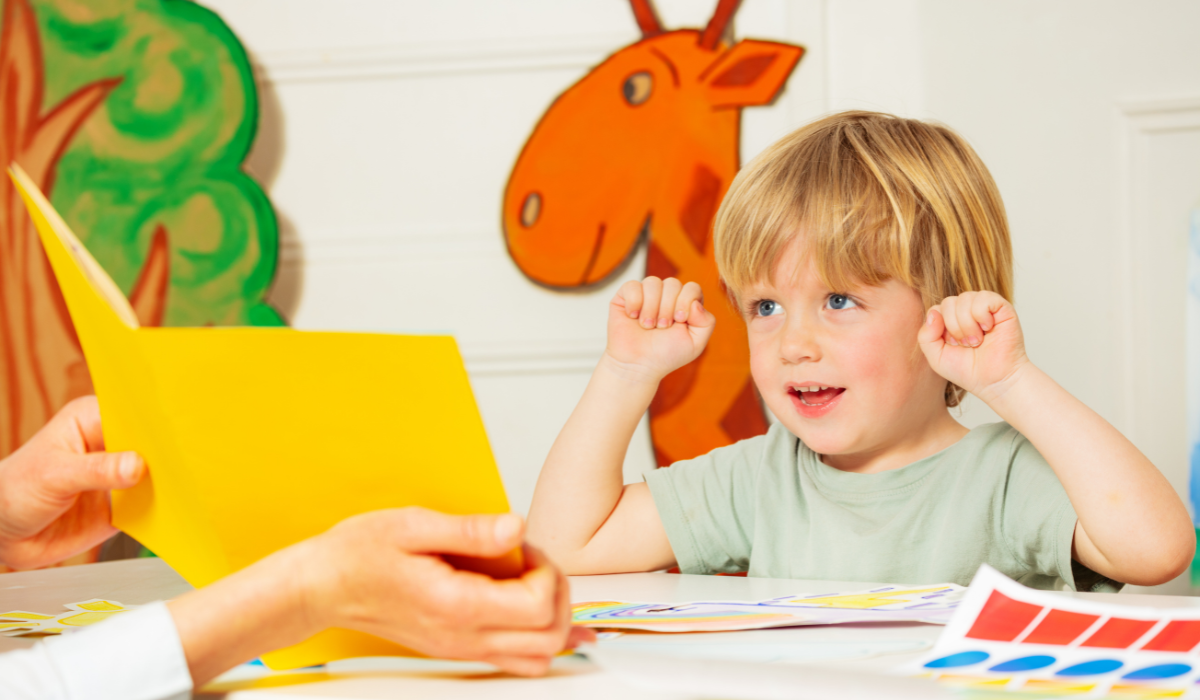
In-home ABA therapy helps children with autism spectrum disorder build important skills in a place where they feel safe, familiar, and comfortable. Many families in North Carolina choose in-home ABA therapy because it allows children to learn and practice skills in their everyday environment. Instead of traveling to a clinic, therapy takes place right in the home, where children often feel more relaxed and ready to learn.
At Alight Behavioral, we provide personalized in-home ABA therapy services in North Carolina for children with autism and related developmental needs. Our team works closely with families to support communication, social interaction, emotional regulation, daily routines, behavior management, and independence.
Every child is different, which is why our approach is individualized for each family. We carefully match children with behavior technicians who can support their unique strengths, goals, and learning style. Every program is supervised by a Board Certified Behavior Analyst (BCBA) who monitors progress and makes sure therapy continues to meet the child’s needs.
For many families, the home is the best place for learning because it gives children the chance to practice skills in real-life situations. Whether a child is learning how to follow directions, communicate needs, get dressed independently, or manage transitions, therapy can happen in the exact place where those challenges occur every day.
Our goal is to help families feel supported throughout the process. From the first assessment to ongoing therapy sessions and parent training, we work alongside families to create a therapy plan that fits naturally into daily life.
What Is In-Home ABA Therapy?
In-home ABA therapy is a type of Applied Behavior Analysis service that takes place in the child’s home rather than in a clinic or office setting. ABA therapy is designed to help children learn new skills, improve communication, increase independence, and reduce behaviors that may interfere with learning or daily routines.
During aba in home therapy, a trained behavior technician works one-on-one with the child in their home environment. The therapy program is supervised by a BCBA, who creates the treatment plan, tracks progress, and updates goals when needed.
One of the biggest benefits of in-home ABA therapy is that children can learn skills in the same place where they naturally use them every day. For example, if a child is working on brushing their teeth, following directions, communicating during meals, or cleaning up toys, those skills can be taught right in the home.
This can make the learning process feel more natural and easier to apply to daily routines. Children often feel more comfortable at home because they are surrounded by familiar people, spaces, and activities.
ABA therapy in home settings can also make it easier for parents and caregivers to be involved. Families can watch sessions, learn strategies, ask questions, and practice new techniques alongside the therapist.
Many families searching for in-home ABA therapy services near me want support that fits into their everyday routine. Home-based therapy can provide flexibility and convenience while giving children the chance to learn in a familiar environment.
Benefits of In-Home ABA Therapy in North Carolina

There are many reasons why families in North Carolina choose in-home ABA therapy. Home-based aba services can provide children with support in the place where they spend most of their time.
Comfortable Learning Environment
Children often learn best when they feel comfortable and safe. In-home ABA therapy takes place in an environment that is familiar, which can make it easier for children to participate in sessions.
Being at home may help reduce anxiety, stress, or difficulty with transitions. This can be especially helpful for children who struggle with new environments or sensory sensitivities.
Real-Life Practice
One of the biggest advantages of home-based therapy is that children can practice skills during real-life situations. Instead of learning a skill in one setting and trying to use it somewhere else later, children can work on those skills right where they happen naturally.
For example, a child can practice:
- Following routines during mealtime
- Taking turns with siblings
- Brushing teeth in the bathroom
- Cleaning up toys in the living room
- Getting dressed in their bedroom
This can make therapy more meaningful and practical.
Parent and Caregiver Involvement
Parents and caregivers are a very important part of ABA therapy. In a home setting, family members can be more involved in sessions and learn ways to support their child throughout the day.
Therapists can show parents how to use positive reinforcement, encourage communication, respond to behaviors, and support daily routines.
Flexible Scheduling
Many families have busy schedules with school, work, appointments, and extracurricular activities. In-home ABA therapy removes the need for travel and can make it easier to fit therapy into the day.
Families searching for home aba therapy near me are often looking for services that are more convenient and easier to manage. Home-based therapy can reduce travel time and create a schedule that works for the family.
Support for Everyday Skills
Many children need support with daily living skills such as using the bathroom, washing hands, following routines, eating meals, or getting ready for bed.
These skills can often be easier to teach in the home because the child is already familiar with the setting and materials.
Less Stress for Families
Traveling to appointments can be challenging, especially for children who have difficulty with transitions, long car rides, or changes in routine. Home-based therapy can reduce some of that stress by bringing services directly to the family.
This can make therapy feel more manageable and more connected to everyday life.
What Skills Can In-Home ABA Therapy Help With?
Every child has different strengths and areas of need, so ABA therapy goals are always personalized. At Alight Behavioral, we create individualized treatment plans based on what is most important for the child and family.
Communication Skills
Communication is often a major focus of ABA therapy. Some children may need help learning how to ask for what they want, answer questions, follow directions, or express their feelings.
Communication goals may include:
- Asking for help
- Using words, signs, or pictures
- Building vocabulary
- Following simple instructions
- Answering questions
- Using greetings
- Having conversations
Strong communication skills can help children participate more successfully at home, school, and in the community.
Social Skills
Social skills are another important part of therapy. Children may work on taking turns, sharing, playing with others, understanding personal space, or responding to social cues.
In-home ABA therapy can provide opportunities to practice these skills with parents, siblings, or other family members.
Emotional Regulation
Some children may have difficulty coping with frustration, disappointment, or changes in routine. ABA therapy can help children learn strategies for managing emotions in a safe and healthy way.
This may include:
- Identifying feelings
- Asking for breaks
- Using calming techniques
- Practicing patience
- Managing transitions
- Handling unexpected changes
Daily Living Skills
Daily living skills are an important part of independence. These may include:
- Getting dressed
- Brushing teeth
- Using utensils
- Washing hands
- Cleaning up toys
- Using the bathroom
- Following routines
Because therapy happens in the home, children can practice these skills in the place where they naturally happen.
Attention and Focus
Some children may need help with staying on task, paying attention, or completing activities. ABA therapy can help improve focus and make it easier for children to participate in learning activities.
Therapists may use reinforcement, visual schedules, and structured routines to support attention.
Behavior Support
ABA therapy can also address behaviors that interfere with learning or daily life. This may include aggression, tantrums, self-injury, refusal, property destruction, or elopement.
Rather than simply stopping behaviors, therapists work to understand why they are happening and teach safer, more appropriate alternatives.
How Alight Behavioral Provides ABA Therapy in Home Settings
At Alight Behavioral, we want families to feel supported from the very beginning. Our process is designed to make it easier for children and parents to access aba therapy in home settings.
Comprehensive Assessment
The first step is a detailed assessment completed by a BCBA. This assessment helps us understand the child’s strengths, challenges, communication skills, daily routines, and goals.
Parents and caregivers are an important part of this process because they know their child best. We take time to listen to concerns, answer questions, and understand what is most important to the family.
Individualized Treatment Plan
After the assessment, the BCBA creates a treatment plan based on the child’s unique needs.
Goals may focus on communication, behavior support, social skills, routines, daily living skills, emotional regulation, or independence.
Every treatment plan is different because every child is different.
One-on-One Therapy Sessions
Once therapy begins, a behavior technician works one-on-one with the child in the home.
Sessions are designed to be engaging, structured, and supportive. Therapists may use games, play activities, positive reinforcement, visual supports, and hands-on learning to help children build skills.
Ongoing BCBA Supervision
Each therapy program is supervised by a BCBA who reviews progress regularly and updates the treatment plan when needed.
This helps make sure the therapy program continues to reflect the child’s changing needs and goals.
Families searching for aba therapy in home near me often want reassurance that there is professional oversight and ongoing support. BCBA supervision is an important part of maintaining quality care.
Parent Training and Support
Parents and caregivers are an important part of the therapy process. We provide regular communication, coaching, and support so families can continue using ABA strategies outside of therapy sessions.
This may include support with:
- Managing routines
- Encouraging communication
- Using reinforcement
- Responding to behaviors
- Supporting independence
Collaboration With Schools and Other Providers
Many children receive services in multiple settings. We can collaborate with schools, speech therapists, occupational therapists, and other providers when needed so children receive more consistent support.
Why Families Choose Alight Behavioral in North Carolina
Families want an ABA provider that is experienced, supportive, and responsive. At Alight Behavioral, we focus on creating personalized therapy programs that help children and families feel understood and supported.
Individualized Support
We understand that every child has different goals and needs. That is why we create customized treatment plans for every child.
Experienced Team
Our team includes BCBAs and behavior technicians who are committed to providing high-quality care and building strong relationships with families.
Family-Centered Care
Parents and caregivers are an important part of the process. We believe therapy works best when families are involved and informed.
Flexible Scheduling
Families searching for best in home aba therapy near me often want services that fit into their daily routine. We work with families to create schedules that are practical and manageable.
Focus on Meaningful Goals
We focus on goals that matter in daily life, including communication, routines, independence, social interaction, and emotional regulation.