
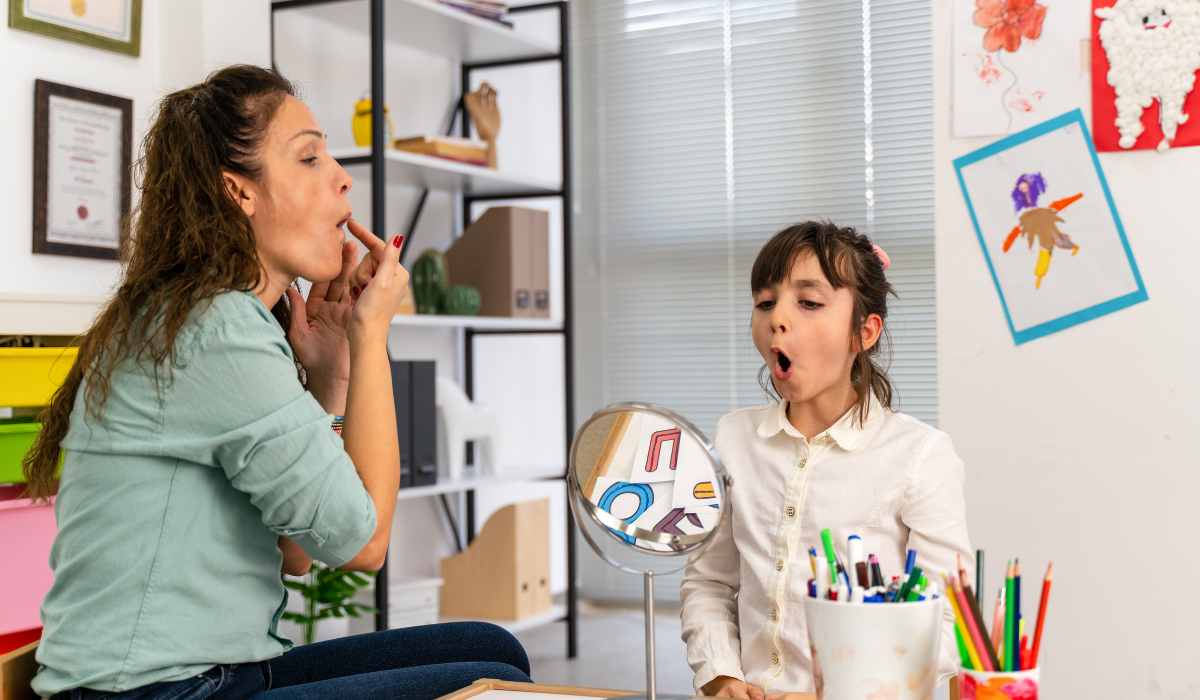
Communication is one of the most important parts of a child’s everyday life. It affects how children express their wants and needs, interact with family members, build friendships, follow directions, participate in school, and handle daily routines.
For some children with autism spectrum disorder, communication can be difficult. A child may have trouble asking for help, expressing feelings, answering questions, starting conversations, understanding directions, or using appropriate words in different situations.
ABA therapy for communication skills can help children build these important abilities in a supportive and structured way. At Alight Behavioral, we provide personalized ABA therapy services in Minnesota that focus on helping children improve communication in ways that are meaningful for their everyday life.
Every child communicates differently. Some children use words, while others may use gestures, pictures, sign language, or communication devices. Our goal is to understand how each child communicates and help them build skills that make it easier to connect with the people around them.
At Alight Behavioral, communication goals are always personalized. We work closely with families to identify the communication challenges that matter most at home, school, and in the community. From asking for favorite items to having conversations with peers, therapy focuses on helping children make progress in ways that support their daily routines and relationships.
Why Communication Skills Matter for Children
Communication is much more than talking. It includes many different ways of sharing information, understanding others, and interacting with the world.
Children use communication skills every day to:
- Ask for what they need
- Express feelings and emotions
- Follow instructions
- Answer questions
- Interact with siblings and peers
- Participate in school activities
- Share ideas and experiences
- Build relationships
- Solve problems
When children have difficulty communicating, they may become frustrated because they are not able to express themselves clearly. This can sometimes lead to behaviors such as crying, tantrums, aggression, or withdrawal.
Strong communication skills can help children feel more confident and more connected to the people around them. They can also make it easier for children to participate in family routines, school activities, and social situations.
ABA therapy focuses on helping children learn communication skills in small, manageable steps. These steps are based on the child’s current abilities and individual goals.
How In-Home ABA Therapy Helps Communication Skills
In-Home ABA therapy uses structured teaching methods, positive reinforcement, and repeated practice to help children improve communication.
The first step is understanding the child’s current communication level. Some children may already use words but need help building longer sentences or conversation skills. Other children may need support with nonverbal communication, picture systems, or communication devices.
Once the child’s communication strengths and needs are identified, a BCBA creates a personalized treatment plan. The plan focuses on specific goals that are important for the child and family.
For example, therapy may help a child learn how to:
- Ask for favorite foods or toys
- Request help when needed
- Answer simple questions
- Follow directions
- Express feelings
- Use greetings
- Start conversations
- Respond during conversations
- Take turns speaking
- Communicate during play
Therapists use positive reinforcement to encourage communication attempts. This means children receive praise, attention, or preferred items when they practice new communication skills.
Communication goals are often practiced throughout daily routines so children can use their skills in real-life situations.
Common Communication Challenges in Children With Autism
Children with autism may experience communication challenges in many different ways. Some children may speak very little, while others may speak often but struggle with social communication.
Some common communication difficulties may include:
Difficulty Asking for Needs and Wants
A child may have trouble asking for food, toys, breaks, help, or favorite activities. Instead of using words, they may cry, point, grab items, or become frustrated.
ABA therapy can help children learn how to request what they need in a more effective and appropriate way.
Difficulty Following Directions
Some children may struggle to understand and follow simple instructions. For example, they may have trouble responding to directions such as “sit down,” “put on your shoes,” or “come here.”
Therapists can break these instructions into smaller steps and help children build understanding over time.
Difficulty Answering Questions
Some children may not know how to answer questions about their name, age, favorite toy, feelings, or daily activities.
ABA therapy can help children practice responding to different types of questions in a structured way.
Limited Conversation Skills
Children may have trouble starting conversations, staying on topic, taking turns speaking, or knowing how to respond to others.
These social communication skills can be practiced through role-playing, games, and everyday interactions.
Trouble Understanding Nonverbal Communication
Communication is not only about words. Children also need to understand facial expressions, tone of voice, gestures, and body language.
Some children may need support learning what these nonverbal cues mean and how to respond appropriately.
Communication Goals That ABA Therapy Can Address
Communication goals are always based on the child’s unique needs. At Alight Behavioral, we create individualized goals that are meaningful for each child and family.
Expressive Language Skills
Expressive language is how children communicate their thoughts, feelings, wants, and ideas.
Goals may include:
- Using words to ask for items
- Naming objects
- Building vocabulary
- Forming sentences
- Answering questions
- Describing experiences
- Talking about feelings
Receptive Language Skills
Receptive language refers to how well children understand what others say.
Goals may include:
- Following directions
- Identifying objects
- Responding to their name
- Understanding questions
- Understanding routines
- Recognizing emotions
Functional Communication
Functional communication focuses on helping children communicate in ways that are useful in daily life.
This may include:
- Asking for help
- Requesting breaks
- Saying “all done”
- Asking for favorite foods or activities
- Saying “yes” or “no”
- Telling someone when they are hurt or upset
These skills can help reduce frustration and make it easier for children to express themselves.
Social Communication Skills
Social communication involves interacting with others in appropriate and meaningful ways.
Goals may include:
- Greeting others
- Taking turns in conversation
- Maintaining eye contact
- Staying on topic
- Asking questions
- Responding to peers
- Playing with others
Nonverbal Communication Skills
Some children may communicate through gestures, pictures, signs, or communication devices.
ABA therapy can support nonverbal communication by helping children learn how to:
- Point to items
- Use gestures
- Use picture exchange systems
- Use communication devices
- Understand facial expressions
- Recognize body language
Communication Strategies Used in ABA Therapy
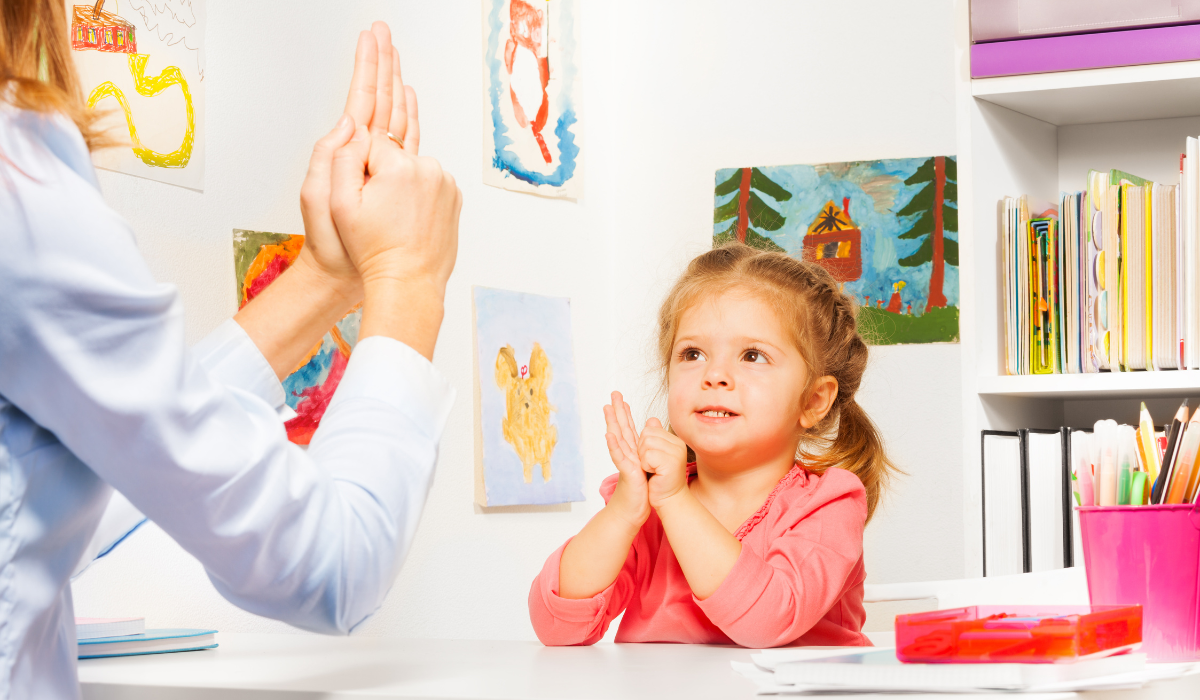
ABA therapy uses many different teaching methods to support communication.
Positive Reinforcement
Positive reinforcement means rewarding children when they use communication skills.
For example, if a child asks for a snack using words or gestures, they may receive praise and the snack they requested.
This helps children understand that communication can lead to positive results.
Modeling
Therapists often model the words or phrases they want the child to use.
For example, if a child points to a toy, the therapist may say, “I want the toy.” Over time, the child may begin to use similar language independently.
Prompting
Prompts are gentle reminders or cues that help children practice communication.
Prompts may include:
- Showing pictures
- Giving choices
- Repeating words
- Using gestures
- Asking simple questions
As the child becomes more independent, prompts are slowly reduced.
Visual Supports
Many children benefit from visual supports because they make communication easier to understand.
Examples include:
- Picture cards
- Visual schedules
- Communication boards
- Choice charts
- Emotion charts
Practice During Daily Routines
Communication is most effective when children can practice it during everyday situations.
Therapists may work on communication during:
- Mealtime
- Playtime
- Bath time
- Bedtime routines
- Family activities
- Community outings
Practicing skills in real-life situations can help children use them more naturally.
How Families Can Support Communication at Home
Parents and caregivers play a very important role in helping children improve communication.
At Alight Behavioral, we work closely with families so they can continue using communication strategies outside of therapy sessions.
Some ways families can support communication at home include:
Encourage Children to Request Items
Parents can create opportunities for children to ask for favorite toys, foods, or activities.
For example, instead of giving a snack right away, a parent can pause and encourage the child to request it.
Give Children Time to Respond
Some children need extra time to process information and respond.
Parents can pause after asking a question and give the child enough time to answer.
Use Simple Language
Short and simple phrases are often easier for children to understand.
For example, instead of saying, “Can you please go over there and get your shoes because we are leaving soon?” a parent might say, “Get your shoes.”
Praise Communication Attempts
Children should be encouraged whenever they try to communicate, even if their words are not perfect.
Praise can help children feel more confident and motivated.
Practice During Daily Activities
Communication can be practiced throughout the day during meals, bath time, playtime, errands, and family routines.
These natural opportunities can make communication feel more meaningful.
Why Families Choose Alight Behavioral for Communication Skills in Minnesota
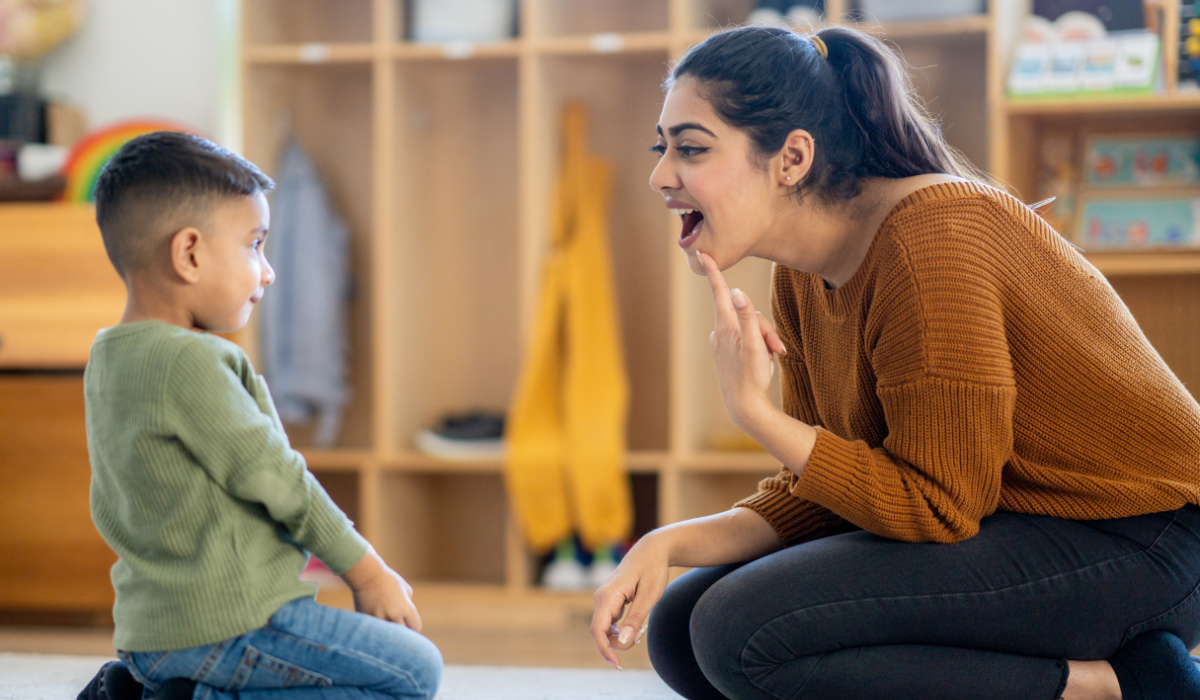
Families want an ABA provider that understands their child’s unique communication needs and creates goals that are realistic, practical, and meaningful.
At Alight Behavioral, we focus on helping children build communication skills that can improve daily life at home, school, and in the community.
Individualized Communication Goals
Every child has different strengths and challenges. We create personalized goals based on the child’s current communication abilities and family priorities.
Experienced Team
Our team includes experienced BCBAs and behavior technicians who understand how to support children with different communication styles.
Family Involvement
We believe communication goals are most successful when families are involved. Parents and caregivers are an important part of the therapy process.
Practical, Everyday Learning
We focus on helping children communicate in ways that are useful in daily life. This can include asking for help, following directions, making choices, expressing feelings, and talking with others.
Support Across Different Settings
Children often need communication support at home, school, and in the community. We work with families and other providers when appropriate so children can use their skills in different environments.
Get Started With ABA Therapy for Communication Skills in Minnesota
If your child has difficulty asking for help, expressing feelings, following directions, or interacting with others, ABA therapy for communication skills may be helpful.
At Alight Behavioral, we provide personalized ABA therapy services in Minnesota that focus on helping children communicate in ways that support daily life.
We understand that every child learns differently. Our team works closely with families to create communication goals that match the child’s strengths, needs, and routines.
Communication is an important part of everyday life, and small improvements can make a big difference for children and families. Whether a child is learning to ask for favorite items, use longer sentences, answer questions, or interact with peers, our team is here to support that process.
Frequently Asked Questions
How can ABA therapy help communication skills?
ABA therapy can help children learn how to ask for what they need, answer questions, express feelings, follow directions, and interact with others. Goals are based on the child’s individual needs.
Can ABA therapy help nonverbal children?
Yes. ABA therapy can support nonverbal communication through gestures, picture systems, sign language, and communication devices.
What communication goals are common in ABA therapy?
Common goals include asking for help, answering questions, following directions, improving conversation skills, using greetings, and expressing feelings.
Can parents support communication goals at home?
Yes. Parents can support communication by practicing during daily routines, using simple language, encouraging requests, and praising communication attempts.
Does Alight Behavioral provide communication-focused ABA therapy throughout Minnesota?
Alight Behavioral provides ABA therapy for communication skills across communities in Minnesota. Service availability may vary depending on location and scheduling.
How long does it take to improve communication skills?
Every child is different. Progress depends on the child’s current abilities, goals, consistency, and level of support. Small improvements over time can lead to meaningful changes in daily life.