

Attention, focus, and behavior are important parts of a child’s daily life. These skills affect how children participate in school, complete routines at home, interact with family members, play with peers, and handle different situations throughout the day.
For some children with autism spectrum disorder, staying focused, following directions, managing emotions, or responding appropriately to different situations can be difficult. A child may struggle to stay on task, move from one activity to another, sit through meals, participate in learning activities, or manage frustration.
ABA therapy for attention, focus, and behavior support can help children build these important skills in a structured and supportive way. At Alight Behavioral, we provide personalized ABA therapy services that help children improve attention, manage transitions, reduce challenging behaviors, and build more positive routines.
Every child is different. Some children may need support with short attention spans, while others may struggle with following directions, emotional regulation, impulsive behavior, or staying calm during changes in routine. Our goal is to understand the reasons behind these challenges and create practical strategies that support everyday life.
At Alight Behavioral, therapy goals are always personalized. We work closely with families to understand what challenges happen most often at home, school, and in the community. From staying seated during meals to following bedtime routines or participating in school activities, our focus is on helping children build skills that are meaningful and useful.
Why Attention, Focus, and Behavior Skills Matter
Children use attention, focus, and self-control throughout the day. These skills help children participate in routines, follow instructions, interact with others, and complete everyday tasks.
Strong attention and behavior skills can help children:
- Follow directions
- Complete daily routines
- Participate in learning activities
- Stay engaged during play
- Move between activities more smoothly
- Manage emotions
- Interact positively with family members and peers
- Build independence
- Reduce frustration
When children struggle with attention, focus, or behavior, everyday situations can become more challenging. A child may have difficulty sitting at the table during meals, staying focused during homework, following instructions, or waiting their turn.
Children may also become frustrated when they do not know how to handle transitions, changes in routine, or difficult emotions. This frustration can sometimes lead to behaviors such as tantrums, aggression, refusal, running away, throwing objects, or shutting down.
ABA therapy helps children learn the skills they need to participate more successfully in daily life. Rather than only focusing on stopping behaviors, therapy looks at why behaviors happen and teaches children safer and more effective ways to respond.
How ABA Therapy Helps Attention and Focus
ABA therapy can help children improve attention and focus by teaching skills in small steps and providing positive reinforcement.
Some children may have trouble sitting still, staying engaged, following multi-step directions, or finishing tasks. Others may become distracted easily or lose interest quickly.
ABA therapy can help children:
- Stay focused on activities for longer periods of time
- Follow one-step and multi-step directions
- Complete tasks independently
- Stay seated during activities
- Participate in learning tasks
- Improve listening skills
- Reduce distractions
- Build patience and waiting skills
Therapists use structured teaching methods and engaging activities to help children practice these skills.
For example, a child may start by focusing on an activity for one minute. Over time, the therapist can slowly increase the amount of time the child spends on the activity.
Positive reinforcement is often used to encourage attention and focus. A child may receive praise, breaks, stickers, toys, or preferred activities when they stay on task or follow directions.
Common Attention and Focus Challenges
Children with autism may experience attention and focus challenges in different ways.
Difficulty Staying on Task
Some children may move quickly from one activity to another without finishing what they started. They may become distracted easily or have trouble staying engaged.
ABA therapy can help children build the ability to focus on one task at a time.
Difficulty Following Directions
Children may struggle to follow simple instructions such as “put on your shoes,” “sit down,” or “clean up your toys.”
Therapists can break directions into smaller steps and teach children how to respond more consistently.
Difficulty With Transitions
Moving from one activity to another can be challenging for many children. A child may become upset when it is time to stop playing, leave the house, turn off a device, or start homework.
ABA therapy can help children prepare for transitions and respond more calmly.
Difficulty Sitting Through Activities
Some children may have trouble sitting during meals, schoolwork, story time, or group activities.
Therapists can use short practice periods, movement breaks, and reinforcement to help children gradually increase participation.
Difficulty Waiting
Waiting for a turn, standing in line, or delaying access to a preferred activity can be difficult for some children.
ABA therapy can help children build patience and learn appropriate waiting skills.
How ABA Therapy Supports Behavior Management
Behavior support is an important part of ABA therapy. Many children use behaviors to communicate needs, avoid difficult situations, or express frustration.
Instead of simply trying to stop behaviors, ABA therapy focuses on understanding why behaviors happen.
For example, a child may tantrum because they do not know how to ask for help. Another child may refuse to follow directions because they do not understand what is expected.
When therapists understand the reason behind a behavior, they can teach the child a safer and more appropriate replacement skill.
Behavior support goals may include:
- Reducing tantrums
- Reducing aggression
- Reducing self-injury
- Reducing property destruction
- Reducing running away or elopement
- Improving compliance with directions
- Improving emotional regulation
- Increasing appropriate communication
- Increasing flexibility during routines
The goal is always to help children feel more successful and supported.
Common Behavior Challenges in Children With Autism
Every child is different, but some behavior challenges are more common in children with autism.
Tantrums and Emotional Outbursts
Children may cry, scream, throw objects, or refuse to participate when they feel overwhelmed or frustrated.
ABA therapy can help children learn calmer ways to respond to difficult situations.
Aggression
Some children may hit, kick, bite, pinch, or push when they are upset.
Therapists work to understand what triggers these behaviors and teach safer alternatives.
Self-Injury
Some children may hit themselves, scratch themselves, or engage in other self-injurious behaviors.
Behavior support plans are designed to reduce these behaviors while teaching safer coping skills.
Refusal and Noncompliance
Children may refuse to follow directions, avoid tasks, or leave activities.
Therapists can help children learn how to follow instructions and complete tasks more successfully.
Running Away or Elopement
Some children may run away from caregivers, leave the house, or wander away in public places.
ABA therapy can teach safety skills and improve responses to directions.
Strategies Used in ABA Therapy for Attention and Behavior Support
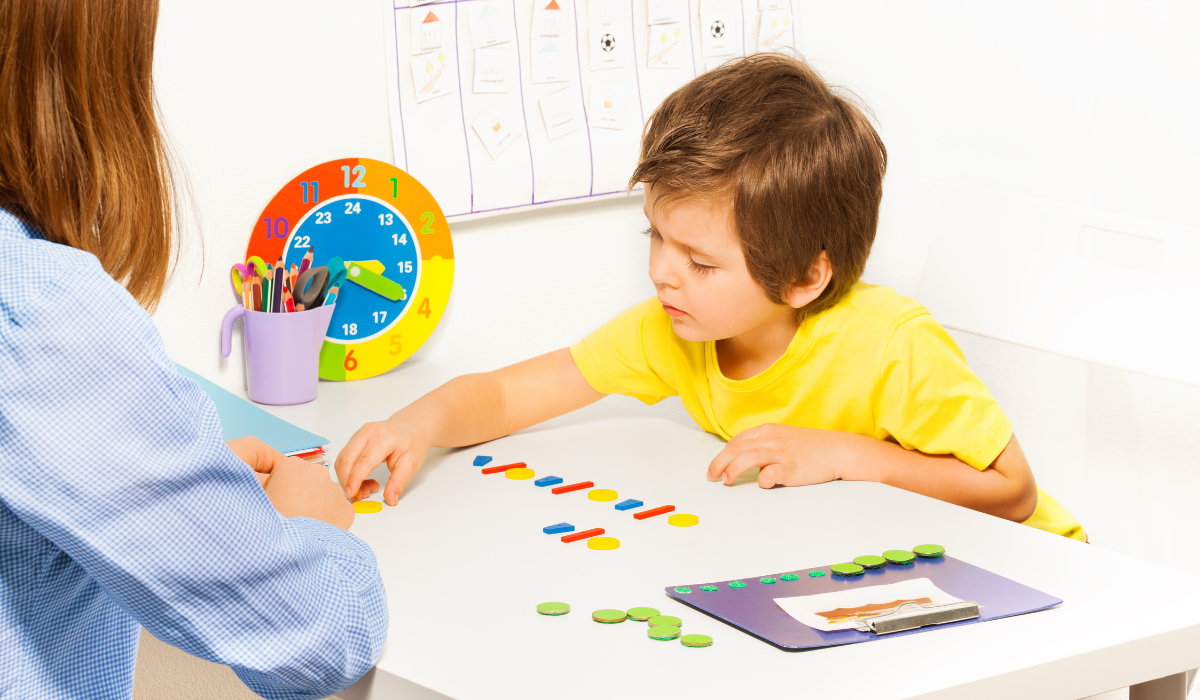
ABA therapy uses many different strategies to help children improve attention, focus, and behavior.
Positive Reinforcement
Positive reinforcement is one of the most common ABA strategies.
When children use positive behaviors or stay focused, they receive something meaningful such as praise, a preferred activity, a sticker, or extra playtime.
This helps children understand which behaviors are expected and encourages them to repeat those behaviors.
Visual Supports
Visual supports can make routines easier to understand.
Examples include:
- Visual schedules
- First-then boards
- Choice boards
- Timers
- Reward charts
- Picture reminders
These tools can help children know what to expect and reduce anxiety around transitions.
Breaking Tasks Into Smaller Steps
Some children may become overwhelmed when tasks feel too large.
Therapists can break tasks into smaller, easier steps.
For example, instead of saying “clean your room,” a therapist may break the task into smaller directions such as:
- Put toys in the bin
- Put books on the shelf
- Put clothes in the hamper
This can make tasks feel more manageable.
Teaching Replacement Behaviors
Replacement behaviors are safer, more appropriate ways for children to communicate or respond.
For example:
- Asking for a break instead of having a tantrum
- Using words instead of hitting
- Requesting help instead of refusing a task
- Waiting calmly instead of grabbing items
Teaching replacement behaviors is an important part of behavior support.
Practice During Everyday Routines
Attention and behavior skills are often practiced during real-life situations.
This may include:
- Mealtime routines
- Homework time
- Bedtime routines
- Grocery shopping
- Family outings
- Playtime with siblings
Practicing skills in real-life situations can help children use them more naturally.
How Families Can Support Attention and Behavior Skills at Home
Parents and caregivers play a very important role in helping children improve attention, focus, and behavior.
At Alight Behavioral, we work closely with families so they can continue using ABA strategies outside of therapy sessions.
Create Clear Routines
Children often do better when they know what to expect.
Simple routines for meals, bedtime, homework, and playtime can help children feel more comfortable and prepared.
Give Simple Directions
Short and simple directions are often easier for children to understand.
For example, instead of saying “Can you please clean up everything in the living room?” a parent might say “Put the blocks away.”
Use Praise Often
Children should receive praise when they stay focused, follow directions, or use positive behaviors.
Positive attention can encourage children to keep using those skills.
Prepare for Transitions
Warnings before transitions can help children move from one activity to another more smoothly.
For example, parents can say “Five more minutes, then it is time for dinner.”
Offer Choices
Giving children simple choices can reduce frustration and improve cooperation.
For example:
- “Do you want the blue cup or the red cup?”
- “Do you want to do homework first or take a bath first?”
Why Families Choose Alight Behavioral for Attention, Focus, and Behavior Support

Families want an ABA provider that understands their child’s needs and creates goals that support daily life.
At Alight Behavioral, we focus on helping children build skills that improve routines, communication, independence, and emotional regulation.
Individualized Goals
Every child is different, which is why we create personalized treatment plans based on the child’s strengths, needs, and family priorities.
Experienced Team
Our team includes experienced BCBAs and behavior technicians who understand how to support children with attention, focus, and behavior challenges.
Family Involvement
We believe therapy works best when families are involved. Parents and caregivers are an important part of the process.
Practical Support for Everyday Life
We focus on goals that matter in real-life situations, including following routines, staying focused, managing emotions, and handling transitions.
Support Across Different Environments
Children often need support at home, school, and in the community. We work with families and other providers when appropriate so children can use their skills in different settings.
Get Started With ABA Therapy for Attention, Focus, and Behavior Support
If your child has difficulty staying focused, following directions, managing emotions, or responding to changes in routine, ABA therapy may be helpful.
At Alight Behavioral, we provide personalized ABA therapy services that support attention, focus, and behavior in ways that are meaningful for everyday life.
We understand that every child learns differently. Our team works closely with families to create goals that match the child’s strengths, needs, and routines.
Attention and behavior skills can affect many parts of daily life, and even small improvements can make a big difference for children and families.
Whether a child is learning to stay seated during meals, follow directions, manage frustration, or move through routines more calmly, our team is here to help.
Frequently Asked Questions
How can ABA therapy help with attention and focus?
ABA therapy can help children stay on task, follow directions, complete activities, reduce distractions, and improve listening skills.
Can ABA therapy help reduce tantrums?
Yes. ABA therapy can help reduce tantrums by identifying why they happen and teaching children more appropriate ways to communicate and respond.
How does ABA therapy help with behavior problems?
ABA therapy focuses on understanding the reasons behind behaviors and teaching safer, more effective replacement skills.
What are replacement behaviors in ABA therapy?
Replacement behaviors are more appropriate ways for children to communicate or respond. For example, asking for a break instead of having a tantrum.
Can parents support attention and behavior goals at home?
Yes. Parents can support goals by using routines, giving simple directions, praising positive behaviors, preparing for transitions, and using consistent strategies.
How long does it take to improve attention and behavior skills?
Every child is different. Progress depends on the child’s needs, goals, consistency, and level of support. Small improvements over time can lead to meaningful changes in daily life.