
Applied Behavior Analysis (ABA) therapy is one of the most effective methods for promoting meaningful behavior changes in children. While therapy sessions provide structured learning opportunities, the real transformation happens when families continue using these strategies at home. For families receiving home based ABA therapy, consistency beyond the session ensures that progress made during therapy is carried into everyday life. Maintaining that consistency requires teamwork, planning, and a clear understanding of the techniques.
This article explores how parents and caregivers can maintain consistency with ABA Techniques after therapy sessions, ensuring lasting progress and improved daily functioning for their children.
Understanding the Importance of Consistency
Consistency is the backbone of ABA Techniques. Therapists design each program with specific goals that rely on repetition, reinforcement, and predictable routines. When parents continue the same methods used by therapists, children receive uniform cues and reinforcement, helping them learn faster and more effectively.
If a child experiences different expectations at home compared to therapy, it can slow down progress. By applying the same strategies, language, and reinforcements outside therapy, parents help bridge the gap between learning new behaviors and applying them naturally in daily life.
Consistency doesn’t mean every moment must become a therapy session—it means maintaining predictability in expectations, communication, and rewards so that the child understands what is expected in various environments.
Collaborating with Your ABA Therapist
A strong partnership between parents and therapists is crucial for successful implementation of ABA Techniques beyond sessions. Parents should feel comfortable communicating with their therapist about their child’s progress, challenges, and home routines.
During your sessions, ask the therapist to demonstrate techniques for reinforcement, prompting, and data collection. Many families receiving in home ABA services in North Carolina benefit from observing the therapist’s methods during sessions, allowing them to replicate the same approach between visits.
Regular communication also allows the therapist to adjust the plan when necessary, ensuring that the strategies remain effective and manageable at home. By staying involved and informed, parents can confidently apply these techniques in everyday settings.
Building ABA into Daily Routines
One of the best ways to maintain consistency is to integrate ABA Techniques into your child’s natural environment. Instead of setting aside extra “therapy time,” make learning opportunities part of everyday routines.
For example:
- Morning Routine: Encourage independence by having your child complete one task, such as brushing teeth or dressing, with positive reinforcement for each step completed.
- Meal Times: Use mealtimes to practice communication skills, like requesting food or identifying items on the table.
- Playtime: Integrate turn-taking games that reinforce social and communication goals.
- Bedtime: Use visual schedules or verbal cues to help your child transition calmly through the nighttime routine.
These small, consistent applications help children generalize learned behaviors to different contexts, strengthening long-term results.
Reinforcement: Keeping Motivation High
Reinforcement is one of the most powerful components of ABA Techniques. To maintain consistency beyond therapy sessions, parents must understand what motivates their child and use those rewards effectively.
Reinforcement doesn’t always have to be tangible items like toys or snacks. Verbal praise, hugs, or access to favorite activities can be equally motivating when used consistently.
Tips for effective reinforcement at home:
- Identify meaningful rewards: Each child has unique preferences, so tailor reinforcers accordingly.
- Deliver reinforcement immediately: Reinforce the desired behavior right after it occurs to strengthen the connection.
- Fade reinforcement gradually: Over time, reduce external rewards and increase intrinsic motivation, like pride in achievement.
When reinforcement is used consistently across environments, children learn that positive behavior leads to positive outcomes, no matter where they are.
Data Collection and Progress Tracking
Tracking progress is an essential part of ABA Techniques, and parents can play a significant role in this process. Your therapist may provide easy-to-use data sheets or digital tools to record observations about specific behaviors.
By documenting what happens between sessions, parents provide valuable insight that helps the therapist adjust strategies for better results. Data might include:
- How often a specific behavior occurs.
- What triggers or reduces the behavior.
- How effective certain reinforcements are.
Sharing this data during meetings or check-ins ensures that therapy plans evolve in response to real-life progress.
Creating a Supportive Environment
The home environment plays a major role in maintaining consistency. A structured and predictable atmosphere helps children feel secure and ready to learn.
Here’s how parents can create a supportive setting:
- Establish clear rules: Post simple, visual reminders of household expectations.
- Set up a routine: Consistent schedules reduce anxiety and make transitions smoother.
- Minimize distractions: Choose calm spaces for practice and interaction.
- Use visual aids: Visual schedules and token boards can help children understand what’s expected.
When the home mirrors the structured environment of therapy, children are more likely to succeed in maintaining their learned behaviors.
Handling Challenges and Setbacks
Even with the best efforts, setbacks are natural. Children may resist certain tasks or forget previously learned behaviors. Instead of becoming discouraged, use these moments as learning opportunities.
Stay calm, stay consistent, and return to the principles of ABA Techniques—observe the behavior, identify triggers, and reinforce positive alternatives. Collaborate with your therapist to modify the approach when necessary.
Remember, progress in ABA is gradual. Some days will feel easier than others, but each small step adds up to meaningful long-term change.
Encouraging Family Involvement
Consistency goes beyond the parent-child relationship. When the entire family participates, it reinforces a unified approach. Siblings, grandparents, and caregivers should understand the same strategies and reinforcements used in therapy.
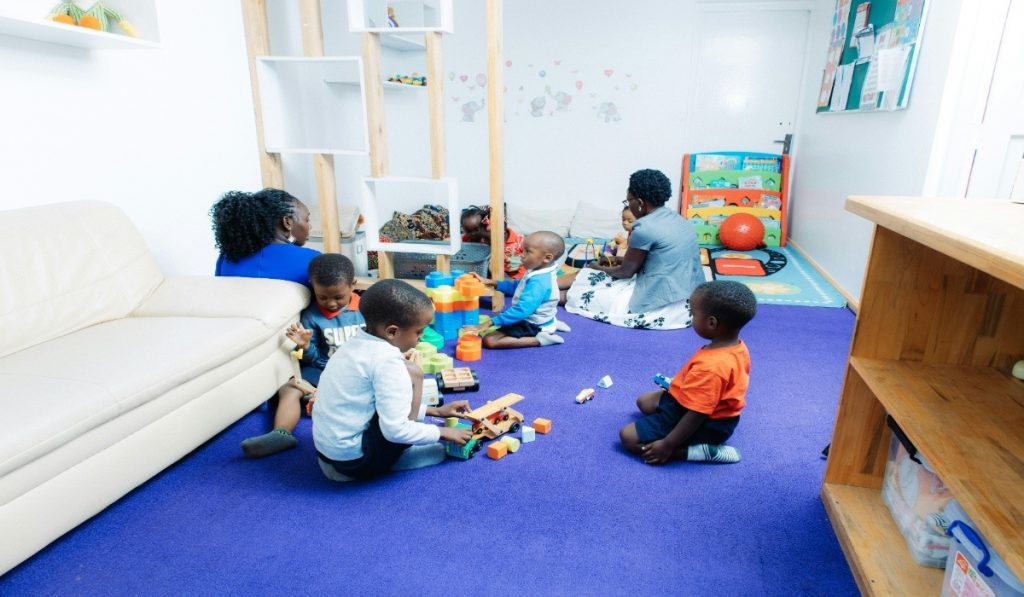
This teamwork ensures that everyone responds consistently to behaviors, preventing confusion and encouraging steady progress. Therapists can help educate family members through modeling and discussion, ensuring everyone feels confident using the same methods.
When the family works together, the home becomes an extension of the therapy environment, promoting faster learning and generalization of new skills.
Maintaining Motivation for Parents
Caring for a child undergoing therapy requires patience and commitment. Parents often juggle multiple responsibilities, so maintaining consistency can feel overwhelming at times. To stay motivated:
- Celebrate small victories and progress milestones.
- Join parent support groups to share experiences and encouragement.
- Schedule time for self-care to avoid burnout.
By taking care of your own well-being, you ensure you have the energy and positivity needed to maintain effective strategies at home.
Families who remain engaged and proactive often see remarkable progress, as their consistency provides the foundation for success.
How Therapists Support Home Implementation
Your ABA therapist is more than an instructor—they are a partner in your child’s progress. A good therapist helps parents feel empowered to implement ABA Techniques effectively.
They provide hands-on demonstrations, feedback, and training so families can confidently practice at home. Therapists also adjust techniques to fit each child’s personality, making them easier to apply across settings.
Parents can request video demonstrations or written summaries of each week’s goals to reinforce their understanding. The stronger the communication between therapists and families, the smoother the transition from therapy sessions to home implementation becomes.
Opportunities for Growth in the ABA Field
As the demand for high-quality behavior therapy continues to grow, there’s a rising need for skilled professionals dedicated to making a difference. Those looking to begin or advance their careers can explore rbt jobs, which offer hands-on experience under the supervision of Board Certified Behavior Analysts (BCBAs).
Registered Behavior Technicians (RBTs) are essential members of the therapy team, helping families apply consistent strategies at home and in various environments. These roles provide rewarding opportunities to directly impact children’s progress and help families thrive.
Conclusion
Consistency is the bridge between therapy and everyday success. By applying ABA Techniques at home, collaborating closely with therapists, and maintaining clear communication, families can ensure lasting progress beyond formal sessions. Integrating these methods into daily routines not only strengthens learning but also helps children build confidence and independence in real-life situations.
With the right guidance, support, and dedication, every parent can play an active role in their child’s development journey.
At Alight Behavioral Therapy, we provide personalized, in-home ABA therapy and autism evaluations, all designed to help children on the autism spectrum reach their full potential.
FAQs
Why is it important to stay consistent with ABA Techniques at home?
Consistency helps children apply what they learn during therapy to real-life situations. When parents use the same methods, reinforcement, and expectations as therapists, it strengthens skill retention and helps children generalize positive behaviors across different environments.
How can I apply ABA Techniques during daily routines?
Integrate strategies naturally into activities like morning routines, mealtimes, play, and bedtime. For instance, encourage your child to complete small tasks independently, reinforce appropriate behavior with praise, and use visual schedules to help transitions go smoothly. This keeps learning consistent throughout the day.
What role do parents play in maintaining ABA consistency?
Parents are key partners in implementing ABA Techniques. By following therapist recommendations, practicing reinforcement strategies, and tracking progress, parents ensure that therapy goals extend beyond sessions. Regular communication with your ABA team helps maintain effectiveness and adjust plans when needed.
How can I track my child’s progress outside of therapy sessions?
You can use data sheets, notes, or mobile apps recommended by your therapist to record your child’s behavior, triggers, and responses. Sharing these observations during follow-up sessions allows therapists to refine strategies and make sure your child continues to grow and learn effectively.
What if my child resists certain ABA Techniques at home?
Resistance is natural. Stay patient and avoid forcing the process. Instead, use positive reinforcement, break tasks into smaller steps, and celebrate small achievements. Discuss the challenges with your therapist—they can modify the approach or suggest alternative strategies for smoother implementation.