
Building independence is one of the most important goals for children, especially at home where daily routines shape confidence and long-term growth. Families often wonder how to help their child complete tasks on their own, stay organized, follow routines, and build essential life skills. This is where How ABA Therapy Helps Children Become More Independent at Home becomes incredibly valuable. In the first steps toward independence, many parents choose support from aba therapists in north Carolina to bring structured guidance and practical strategies into everyday life.
Applied Behavior Analysis provides children with tools that help them understand expectations, learn new skills step-by-step, and gain the confidence needed to handle activities independently. Whether it’s getting dressed, brushing teeth, cleaning up, or completing homework, the right approaches make independence achievable.
This article explores how independence develops through ABA strategies, how families can bring these techniques into daily routines, and how professionals support children in becoming capable and confident at home.
Why Independence Matters in a Child’s Daily Life
Independence at home influences how children handle responsibilities, express themselves, and build problem-solving skills. When children are given the chance to do tasks on their own, they begin forming stronger self-esteem and a sense of achievement.
Many children struggle with routines such as organizing their belongings, staying on track with tasks, or following multi-step directions. Parents often assist more than expected simply because tasks feel overwhelming for the child. With structured guidance, however, small steps turn into big milestones.
This is where How ABA Therapy Helps Children Become More Independent at Home stands out. By breaking tasks into manageable pieces and reinforcing progress, children gradually learn to complete routines without relying on constant help.
Teaching Daily Living Skills Step-by-Step
Daily living skills include everything from hygiene and dressing to meal routines and organization. ABA principles teach these skills using clear instructions, repetition, and reinforcement.
One of the most effective methods used is task analysis, which divides a big task into smaller, easier steps. For example:
- Instead of “clean your room,”
- the process becomes
- pick up toys → put toys in the bin → fold clothes → place clothes in the drawer → make the bed.
As children practice each step, they learn exactly what to do and begin completing the routine independently.
This is a core part of How ABA Therapy Helps Children Become More Independent at Home—not expecting independence immediately, but building it steadily through consistent teaching.
Building Stronger Communication Skills
Communication plays a major role in independence. When children can express their needs clearly, ask for help appropriately, and understand instructions, they experience far fewer frustrations.
ABA programs introduce communication systems that match each child’s skill level. Some children use gestures, picture systems, or assistive devices, while others learn to use more expressive spoken language. The goal is always the same: helping the child communicate in ways that support daily success.
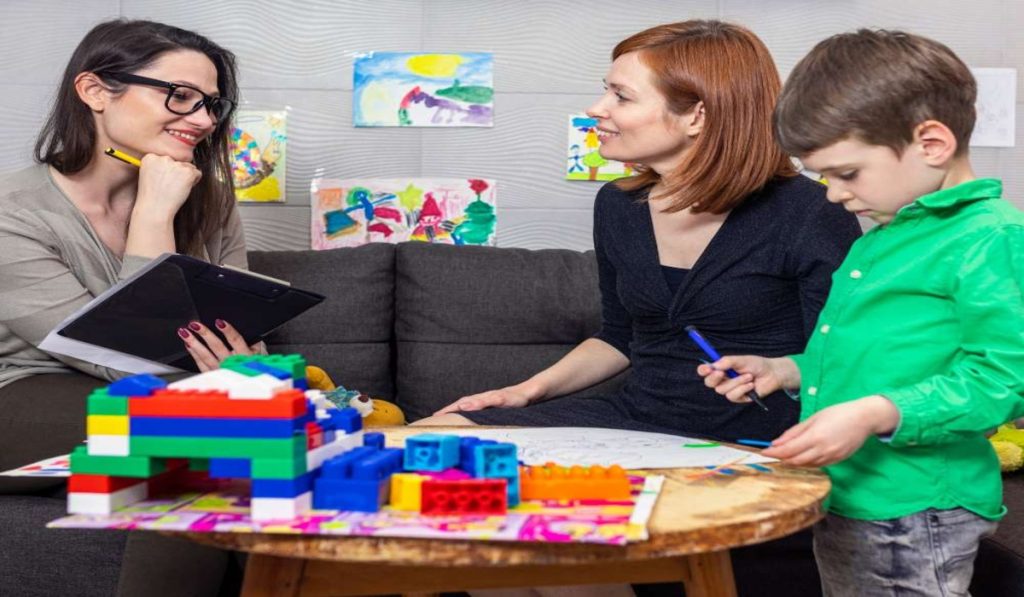
Through communication lessons tied to real routines—such as asking for a snack, requesting a break, or saying “finished”—children learn to manage everyday needs without constant adult prompting.
Developing Routines That Support Independence
Consistent routines help children know what to expect and what is required of them. When routines are predictable, children become more willing to participate and complete tasks independently.
Visual schedules, timers, checklists, and simple household charts help children stay on track. For example:
- A bedtime routine chart showing bath time → brushing teeth → pajamas → story → sleep.
- A morning checklist with photographs or icons for each step.
- A clean-up schedule used after playtime.
With visual tools in place, parents spend less time giving repeated directions, and children gain more control over their activities.
Routines are a major part of How ABA Therapy Helps Children Become More Independent at Home because they teach responsibility and reduce confusion during transitions.
Positive Reinforcement Encourages Motivation
Children learn faster when positive reinforcement is used consistently. Reinforcement encourages desired behaviors by celebrating success and giving children something meaningful when they complete tasks independently.
Reinforcement can include:
- Praise
- Tokens
- Stickers
- Extra playtime
- Small rewards
- Preferred activities
Instead of focusing on what went wrong, ABA focuses on what is going right. When children feel successful, they try more, persist longer, and ultimately gain the confidence to handle more responsibilities.
Helping Children Follow Directions and Manage Tasks
Some children find it difficult to follow directions, especially when tasks involve multiple steps. ABA strategies help children learn how to listen, understand, and act on instructions in a calm and focused way.
Common strategies include:
- Breaking instructions into short, simple steps
- Using visuals alongside spoken instructions
- Modeling the correct action
- Giving children time to respond
- Reinforcing successful attempts
These strategies build the foundation for independence. As children become better at following directions, they complete tasks with less adult input and learn to solve small problems on their own.
Improving Self-Help Skills for Everyday Life
Self-help skills contribute greatly to independence and include personal care, hygiene, dressing, eating routines, and home responsibilities. ABA programs teach these skills in a structured, supportive way using repeated practice and reinforcement.
Examples include:
- Brushing teeth independently
- Washing hands correctly
- Selecting and putting on clothes
- Packing a school bag
- Cleaning up a room
- Helping with simple chores
With continuous practice, these skills become natural habits. This is another key component of How ABA Therapy Helps Children Become More Independent at Home—transforming daily challenges into manageable successes.
Managing Challenging Behaviors That Block Independence
A child’s independence can be delayed by behaviors that occur when tasks feel difficult. ABA professionals help identify what triggers these behaviors and teach healthier alternatives.
By understanding the reason behind a behavior and using structured strategies, children learn to stay calm, focus longer, and approach tasks more confidently.
This support not only promotes independence but also makes the home environment more peaceful and consistent for everyone.
Family Training: Empowering Parents to Build Independence
Parents play the biggest role in encouraging independence. That’s why family training is an essential part of ABA programs. Through coaching, parents learn how to reinforce skills, create helpful routines, and respond effectively when challenges arise.
Parents often say that learning these strategies gives them more confidence, allows them to maintain consistency, and leads to smoother days at home.
With guidance from professionals and ongoing practice, families see lasting improvements in how their child handles responsibility.
How In-Home Services Strengthen Learning
Many families choose in home aba therapy near me to support independence because learning happens right where the child needs it most. Teaching skills in the natural home environment helps children apply them during real routines.
These sessions may include practicing chores, meal routines, morning tasks, or homework—making progress more meaningful and long-lasting.
The Long-Term Benefits of Building Independence
When children develop independence at home, the benefits extend far into the future. They gain confidence, responsibility, and a stronger sense of self. Parents also feel less stress as their child becomes more capable and more involved in daily routines.
Over time, children learn to solve small problems on their own, make choices, and participate more actively in family life. This growth lays the foundation for future success in school, social activities, and community settings.
Conclusion
How ABA Therapy Helps Children Become More Independent at Home is not about expecting children to achieve independence instantly. Instead, it provides a supportive structure that helps them build skills gradually, at a comfortable pace. Through routines, communication, reinforcement, task analysis, and family collaboration, children gain confidence and the ability to handle tasks that once felt overwhelming. The journey may be step-by-step, but every step brings children closer to meaningful independence and long-lasting growth.
At Alight Behavioral Therapy, we provide personalized, in-home ABA therapy and autism evaluations, all designed to help children on the autism spectrum reach their full potential.
FAQs
How does ABA Therapy support independence in daily routines?
ABA strategies break tasks into smaller, manageable steps so children can learn each part at their own pace. Through clear instructions, modeling, repetition, and reinforcement, children gradually complete routines—such as brushing teeth, organizing belongings, or getting dressed—more independently.
Can ABA help my child follow directions better at home?
Yes. ABA programs use structured techniques to teach children how to listen, understand, and follow directions calmly. This may involve simplifying instructions, adding visuals, giving processing time, and rewarding successful attempts. As children practice these skills, following directions becomes easier and more consistent.
What kinds of life skills can a child learn through ABA?
Children can learn a wide range of life skills, including hygiene routines, dressing, self-care, meal routines, simple cooking tasks, cleaning up, organizing personal items, completing homework, and managing daily schedules. Skills are taught step-by-step to ensure the child feels confident and capable.
How long does it take for a child to become more independent with ABA?
Progress varies for every child. Some improvements happen quickly, while more complex skills may take longer to master. Consistency at home, regular practice, and collaboration with the therapist all influence how soon independence increases.
Does ABA include parents in the learning process?
Absolutely. Parent training is a major part of promoting independence. Therapists teach families how to support skill development, reinforce progress, and create routines that help children succeed outside of therapy sessions.
Can in-home ABA services improve independence faster?
Yes. In-home sessions allow therapists to teach skills in the child’s natural environment, making progress more relevant and easier to apply. Practicing routines like bedtime, clean-up, or morning tasks directly at home helps improvements become long-lasting.
What if my child gets frustrated when learning new tasks?
ABA therapists identify what is causing the frustration and modify the teaching approach to reduce stress. By adjusting task difficulty, offering clear guidance, and reinforcing effort, children learn coping strategies and stay motivated while building independence.
Is building independence the main goal of ABA?
Independence is a major goal for many families, and ABA provides structured methods to support it. Whether the focus is communication, life skills, or daily routines, the programs are customized to help the child participate more confidently in home activities.