
Communication is a vital skill for children, and when they face challenges in expressing their needs or emotions, it can affect their social interactions and learning experiences. For families searching for best in home ABA therapy near me, Applied Behavior Analysis (ABA Therapy) offers a structured and proven approach to support children in developing essential communication skills. With tailored strategies, this therapy can provide children with the tools they need to interact more effectively with their environment and peers.
Understanding ABA Therapy
ABA Therapy is a scientifically validated approach that focuses on improving specific behaviors, including communication, social skills, and learning abilities. By breaking down complex tasks into smaller, manageable steps, ABA therapists can create individualized programs that cater to each child’s unique needs. This method allows for consistent reinforcement of positive behaviors, helping children gradually build confidence in their communication abilities.
How ABA Therapy Supports Communication
One of the primary goals of ABA Therapy is to enhance a child’s ability to express themselves clearly. Therapists use a combination of verbal prompts, gestures, and visual aids to guide children in understanding and using language effectively. For instance, a child may initially be encouraged to use simple words or signs to request items or express feelings, which are gradually expanded into more complex sentences. This structured approach ensures consistent progress and encourages children to engage in meaningful interactions.
Individualized Therapy Plans
Every child has unique strengths and challenges, and ABA Therapy programs are designed to reflect that. Before beginning therapy, a certified behavior analyst (BCBA) conducts thorough assessments to identify a child’s current communication level and areas that require focus. Based on this evaluation, therapists develop a personalized plan with specific goals, such as initiating conversation, responding appropriately, or using alternative communication methods like picture exchange systems. Tailoring the therapy to each child ensures that interventions are effective and meaningful.
Role of Positive Reinforcement
Positive reinforcement is a core principle in ABA Therapy. By rewarding successful attempts at communication, children are motivated to continue practicing and improving their skills. Reinforcements can include praise, tokens, or preferred activities, depending on what resonates most with the child. Over time, these consistent rewards strengthen communication behaviors and make them more likely to occur naturally in everyday settings.
In-Home ABA Therapy: A Comfortable Environment
Many families benefit from best ABA therapy in Minnesota provided in the comfort of their home. In-home therapy allows children to learn and practice communication skills in familiar settings, reducing anxiety and distractions that might occur in clinical or classroom environments. Additionally, therapists can involve family members in the process, teaching strategies that can be reinforced outside of therapy sessions. This collaborative approach enhances the consistency and effectiveness of ABA Therapy.
Encouraging Social Interaction
Communication skills are closely linked to social interaction. ABA Therapy not only targets verbal expression but also teaches children how to read social cues, take turns in conversation, and respond appropriately to peers.
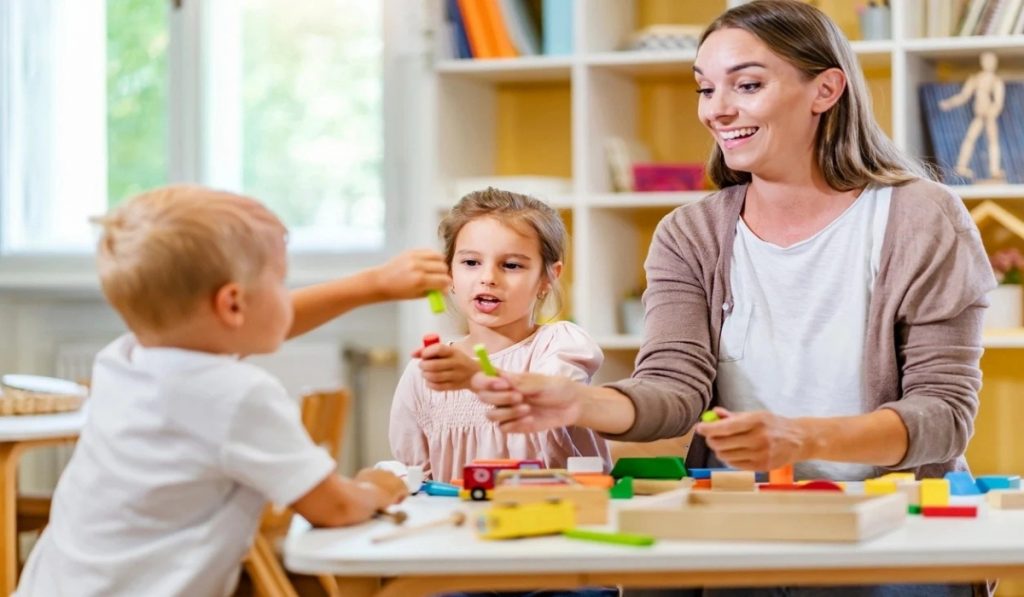
Structured play sessions, role-playing, and guided interactions with family members or peers provide practical opportunities for children to practice communication skills in real-life contexts. As these skills improve, children become more confident and engaged in social settings.
Collaboration with Professionals
ABA Therapy involves collaboration among therapists, parents, and other professionals to ensure a comprehensive approach to communication development. Certified behavior analysts (BCBAs) oversee therapy programs, track progress, and adjust strategies as needed. For those interested in contributing to this impactful work, BCBA jobs offer opportunities to make a meaningful difference in children’s lives. Continuous monitoring and collaboration help maintain a consistent approach and ensure that children receive the support they need to thrive.
Measuring Progress and Adjusting Strategies
A significant advantage of ABA Therapy is its data-driven nature. Therapists regularly track a child’s progress, using specific metrics to assess improvements in communication and other targeted behaviors. If a particular strategy is not yielding the desired results, therapists can adapt their approach, ensuring that interventions remain effective. This flexibility allows children to overcome challenges at their own pace while building long-lasting communication skills.
Conclusion
ABA Therapy offers a structured and effective way to help children who struggle with communication. Through individualized plans, positive reinforcement, and in-home support, children can gain confidence, engage socially, and express themselves more effectively. With guidance from experienced therapists and certified behavior analysts, families can witness meaningful progress in their child’s ability to communicate and connect with the world around them.
At Alight Behavioral Therapy, we provide personalized, in-home ABA therapy and autism evaluations, all designed to help children on the autism spectrum reach their full potential.