
Positive classroom behavior is essential for learning and overall academic success. Many parents and educators seek reliable strategies to help children develop self-control, focus, and appropriate interactions with peers. For families searching for in home aba services near me, Applied Behavior Analysis (ABA) offers structured, evidence-based approaches that support these goals. By understanding and applying specific ABA techniques, teachers and caregivers can create a classroom environment that encourages consistent, positive behaviors.
Understanding ABA Techniques
ABA Techniques are rooted in the science of behavior analysis, focusing on the principles of reinforcement, repetition, and measurable outcomes. The approach emphasizes breaking down complex behaviors into manageable steps, teaching children how to respond appropriately in various situations.
One key element of ABA is the identification of target behaviors that need encouragement or redirection. For classroom settings, this might include raising hands before speaking, following instructions, completing assignments on time, or maintaining focus during lessons. Each behavior is systematically reinforced, helping children gradually adopt positive routines that contribute to a better learning environment.
Implementing Positive Reinforcement
A cornerstone of ABA Techniques is positive reinforcement. This method rewards desirable behavior to increase the likelihood of it occurring again. In classrooms, reinforcement can take many forms, such as verbal praise, tokens, stickers, or extra playtime.
For example, if a student consistently raises their hand before speaking, a teacher can provide immediate recognition or a small reward. Over time, the student learns that following classroom rules results in positive outcomes, which encourages repeated good behavior. Using reinforcement consistently ensures that children understand the connection between their actions and rewards.
Structured Routines and Predictability
Children often respond well to predictability and clear routines. ABA Techniques emphasize structured environments where expectations are clearly communicated. Teachers can use visual schedules, daily agendas, or step-by-step instructions to create consistency in the classroom.
This structured approach reduces confusion and anxiety, allowing children to focus more on learning and less on uncertainty. Predictable routines also make it easier for teachers to reinforce positive behaviors and address challenges promptly, ensuring a smoother flow of classroom activities.
Teaching Social and Communication Skills
Another essential component of ABA Techniques is the development of social and communication skills. Positive peer interactions contribute significantly to classroom harmony. Through structured exercises and role-playing, children learn how to share, cooperate, and communicate effectively with classmates.
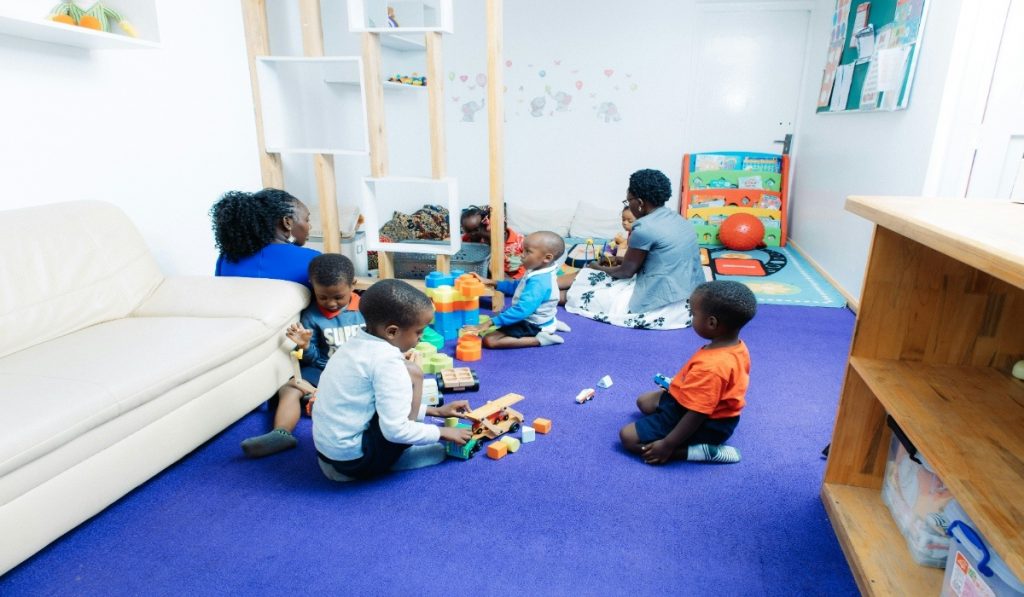
For instance, a teacher might guide students in practicing greetings, turn-taking, or group problem-solving tasks. By reinforcing appropriate social behaviors and modeling positive communication, children become more confident in engaging with peers, which directly improves classroom behavior.
Implementing Data-Driven Strategies
ABA Techniques rely heavily on data collection to track progress and refine interventions. Teachers or therapists record instances of targeted behaviors, noting frequency, duration, and context. This data-driven approach helps identify patterns, measure improvements, and adjust strategies as needed.
For example, if a student struggles with completing assignments on time, tracking progress can reveal whether reinforcement strategies, structured breaks, or additional support are effective. By using objective data, educators can make informed decisions that maximize the impact of ABA interventions in the classroom.
Collaboration Between Home and School
Successful implementation of ABA Techniques often involves collaboration between teachers, parents, and therapists. Consistency across environments ensures that children receive uniform guidance and reinforcement.
Parents can work with teachers and trusted professionals, such as a trusted aba therapist in Minnesota, to implement consistent strategies at home and in school. Coordinated efforts allow children to practice positive behaviors in multiple settings, reinforcing learning and promoting generalization of skills.
Encouraging Self-Monitoring and Independence
As children progress, ABA Techniques also emphasize self-monitoring and independent behavior management. Students can learn to track their own actions, recognize successes, and make adjustments when necessary.
For instance, a student may use a checklist to complete tasks or monitor behavior goals. This fosters a sense of responsibility and encourages intrinsic motivation. As children gain independence, teachers can gradually reduce external reinforcement while maintaining positive classroom behavior.
Training and Professional Support
Implementing ABA Techniques effectively requires skilled guidance. Hiring or consulting professionals, such as bcba jobs near me, ensures that strategies are evidence-based and tailored to each child’s unique needs. Professionals provide training to teachers and parents, helping them apply interventions correctly and monitor outcomes efficiently.
Regular professional support also helps address challenges promptly, preventing negative behaviors from escalating and ensuring that positive classroom habits are consistently reinforced.
Conclusion
Encouraging better classroom behavior requires a structured, consistent approach that combines reinforcement, routine, social skills development, and data-driven interventions. ABA Techniques provide a comprehensive framework for achieving these goals, supporting children in learning appropriate behaviors and succeeding academically. Collaboration between educators, parents, and trained professionals ensures that strategies are effective and sustainable across settings.
At Alight ABA, we provide personalized, in-home ABA therapy and autism evaluations, all designed to help children on the autism spectrum reach their full potential.