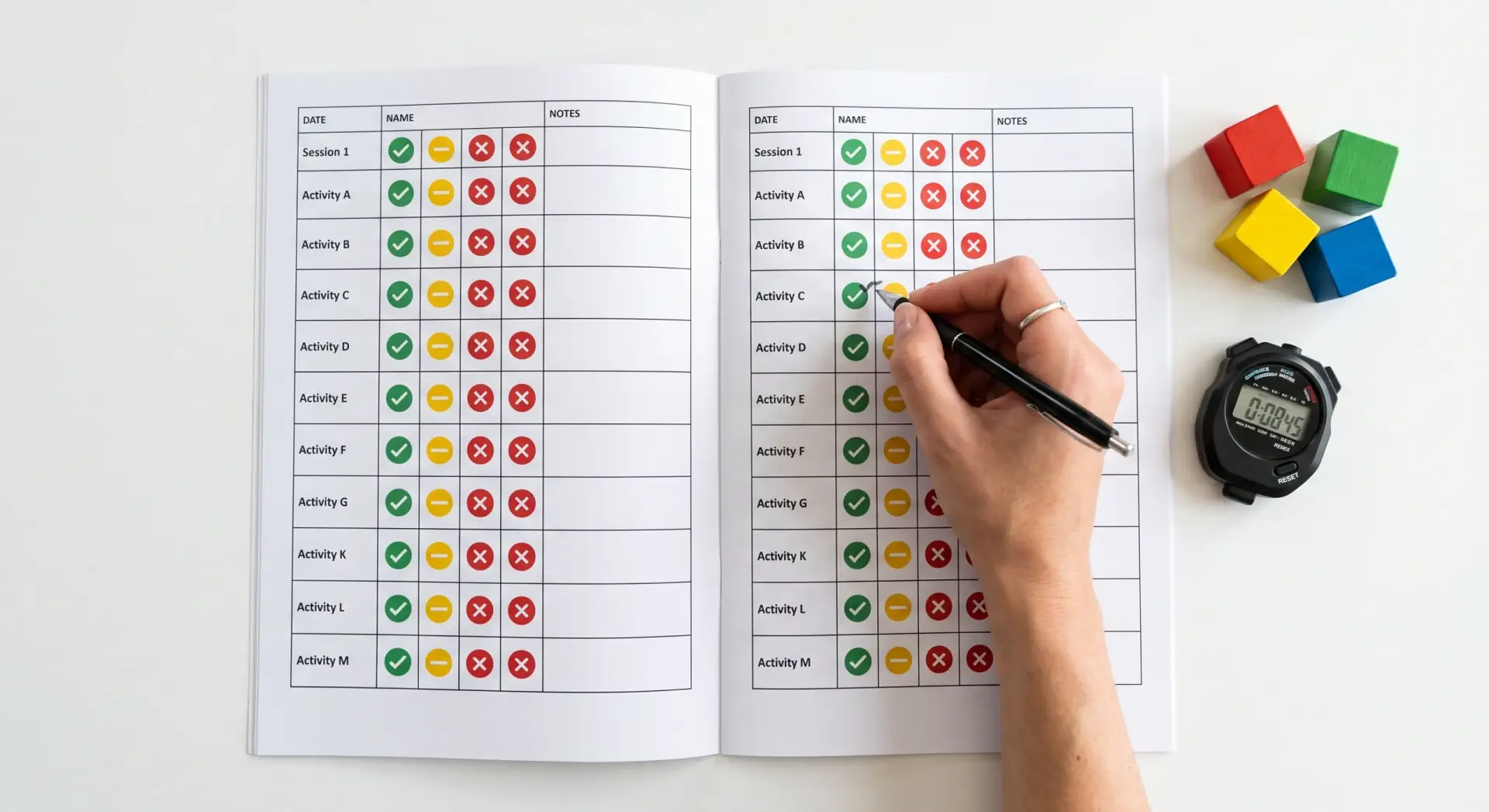
If your ABA team mentions a functional behavior assessment, it can sound like one more clinical step in an already overwhelming process. In practice, a functional behavior assessment helps explain why a behavior is happening so your child’s ABA plan is based on patterns and support needs, not guesswork. For many parents, that is the difference between a generic plan and a plan that actually fits daily life.
A strong FBA is not about blaming your child or trying to make behavior look better on the surface. It is meant to help the team understand what your child may be communicating, where challenges show up, and what kinds of supports could make home, school, and community routines more manageable.
What a Functional Behavior Assessment Is in ABA
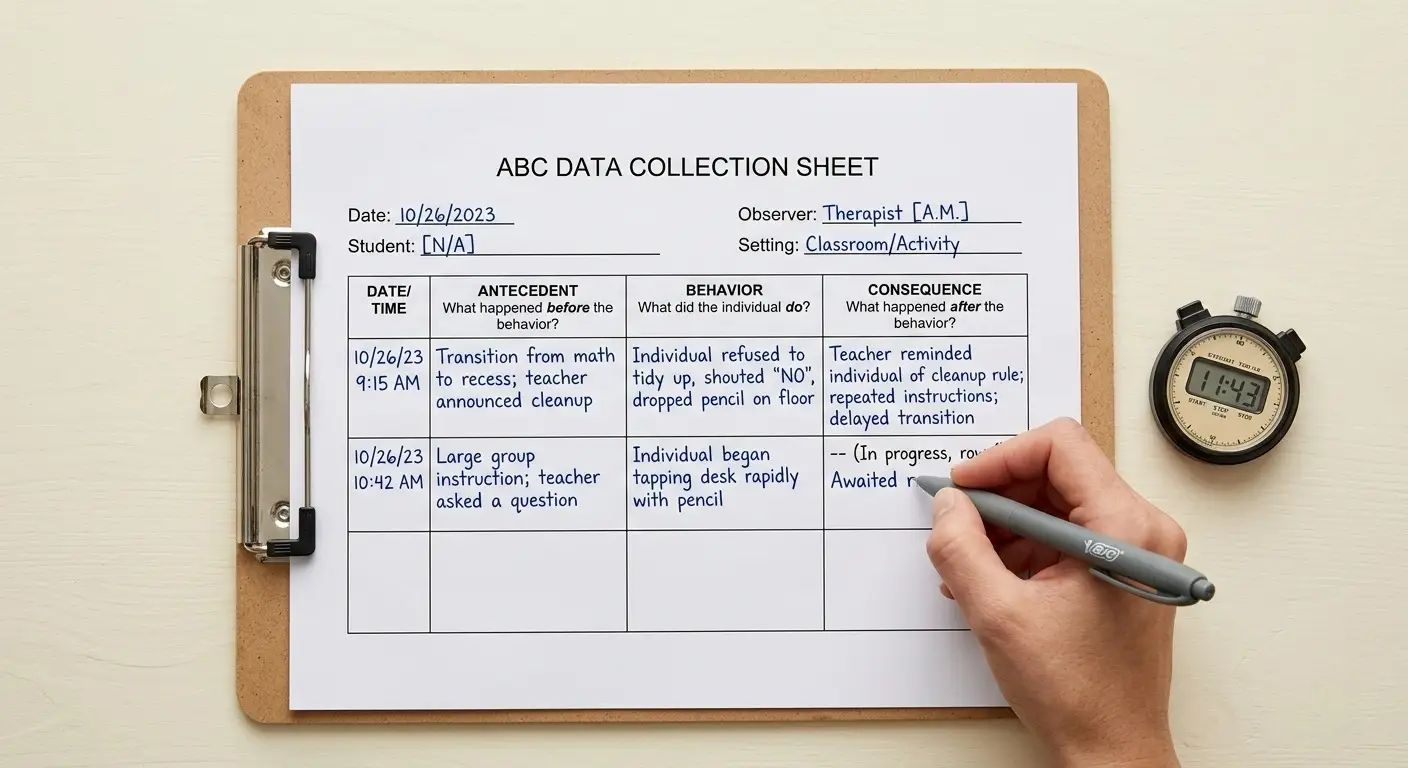
A functional behavior assessment, or FBA, is a process used to understand why a behavior may be happening and what purpose it serves in context. Instead of looking at one moment in isolation, the team studies what tends to happen before the behavior, during it, and after it.
In ABA, the goal is not simply to stop a behavior. The goal is to understand the pattern well enough to teach more effective skills, adjust the environment, and build a plan that supports communication, regulation, safety, and participation in daily routines.
For younger children, an FBA may focus more on communication gaps, transitions, play routines, or frustration around waiting. For school-age children, the team may pay closer attention to demands, peer settings, schedule changes, or learning-related stress. For older children and young adults, the assessment may need to account for independence, autonomy, self-advocacy, and the pressures of daily life.
Why ABA Teams Use an FBA Before Updating the Plan
Two children can show the same visible behavior for very different reasons. One child may drop to the floor because a transition happened too quickly. Another may do it because they do not yet have a reliable way to ask for a break. If a team treats both situations the same way, the plan may miss what the child actually needs.
That is why ABA teams use an FBA before making or revising treatment decisions. When the team understands the likely function of a behavior, it can choose goals more carefully, teach more relevant replacement skills, and coach parents more effectively.
An FBA should also protect against one-size-fits-all planning. It should not reduce your child to a label, ignore emotional context, or focus only on appearance. If the plan centers on making behavior look quieter without addressing communication, regulation, comfort, or quality of life, it is not solving the right problem.
What Happens Before, During, and After the Assessment
Before the assessment
Before the assessment begins, the team usually talks with caregivers about routines, concerns, strengths, and the situations that feel most challenging. You may be asked what happens right before the behavior, what usually happens after, when the issue is most likely to show up, and when things tend to go better than expected.
For younger children, caregiver observation often carries a large part of the picture because routines like meals, play, dressing, and bedtime can reveal important patterns. For older children, direct input about frustrations, preferences, and goals may matter more.
During information gathering
During the assessment, a BCBA or other qualified clinician looks for patterns across routines, people, places, and demands when possible. They may observe what happens during transitions, tasks, waiting periods, denied access, changes in routine, or other moments that seem to trigger difficulty.
The goal is not to judge one hard moment in isolation. It is to ask better questions. Was the task unclear or too hard? Was the child trying to get help, get access to something important, leave an overwhelming situation, or manage discomfort? For school-age children, school input may be useful if the pattern shows up there too.
After the assessment
After information gathering, the team develops a hypothesis about function and talks through what support needs may be underneath the behavior. From there, they should explain what needs to change in plain language: what skills will be taught, what supports will be adjusted, what parents can do at home, and how progress will be monitored.
An FBA is not a single test that delivers one instant answer. It is a collaborative process of building a clearer picture so treatment decisions are more individualized and more practical.
The WHY-to-PLAN Bridge
The WHY-to-PLAN Bridge helps parents see how understanding behavior leads to real treatment decisions. Instead of stopping at a label or a clinical term, this framework connects the assessment directly to what should change in the plan.
W – What is the behavior communicating?
Every behavior serves a purpose in context. The question is not, “How do we stop this as fast as possible?” The better question is, “What is this moment telling us?” A child who screams may be trying to escape a confusing task, ask for help, get access to something important, or respond to overwhelm.
The same visible behavior can mean different things in different children. That is why function is a hypothesis built from patterns and data, not a snap judgment. The purpose of this step is understanding, not punishment.
H – How do patterns show up across people, places, and demands?
Context matters. A behavior that happens at the dinner table may not happen during free play. A child who struggles during homework may do well at the park. Early learners may show stronger pattern differences across meals, transitions, and play routines. School-age children may show more difficulty during task demands, group activities, or schedule changes. Older children may respond differently depending on expectations, independence demands, or whether they feel heard.
This is why observation across routines matters so much. Parent input is not optional background information. It is essential to understanding how behavior changes across real life.
Y – Your child’s needs beneath the behavior
Once the team has a likely hypothesis, the next step is translating that information into support needs. If a behavior seems tied to communication difficulty, the child may need clearer ways to ask for help, request a break, or say no safely. If transitions are a major trigger, the child may need more predictability, visual supports, countdowns, or practice moving between activities. If regulation is part of the picture, the child may need environmental adjustments, pacing changes, or coping supports.
The goal is not just behavior reduction. It is helping your child access safer, more effective ways to communicate, cope, and participate.
PLAN – Put findings into the care plan
This is where the FBA should become visible in the ABA plan. The plan may change in several ways, including:
- which goals are prioritized
- which replacement skills are taught first
- how reinforcement is used
- what environmental adjustments are made
- how sessions are structured
- what parents are coached to do during difficult moments
- how progress is tracked over the next few weeks
For example, imagine a child who hits during cleanup. If the assessment suggests cleanup is hard because play ends abruptly and the child does not understand what comes next, the plan might teach a simple transition phrase, add a visual first-then support, use a countdown, reinforce successful transitions, and coach caregivers to give clearer preparation before cleanup starts. If the same behavior mainly happens when the room becomes noisy and crowded, the support plan may look very different.
Recommendations should feel specific to your child’s daily life, not copied from a template. They should also be realistic. A good plan creates a clearer direction for progress, but it does not promise instant change.
Next-step review
After the feedback conversation, parents should be able to answer a few practical questions. What changed in the goals? What skills will be taught? What supports changed at home or in session? How will progress be measured?
If those answers are still vague, it is reasonable to ask for more clarity. You should be able to see a direct line between what the team learned and what the plan will do next. At Alight ABA, the purpose of this process should be to build a plan that feels individualized, practical, and respectful of your child’s quality of life.
School-Based FBA, Functional Analysis, and BIP: What Parents Need to Know
Parents often hear related terms used interchangeably, but they are not the same thing.
A school-based FBA usually focuses on helping the school understand behavior in the educational setting and decide what supports may be needed there. An FBA in clinic- or home-based ABA is focused on treatment planning across the routines that matter in daily life. The two can overlap, but they are not identical.
An FBA is also broader than a functional analysis. An FBA may include interviews, observation, and pattern review. A functional analysis is a more structured and formal testing process used in specific cases. Not every child needs a formal functional analysis.
An FBA is also different from a BIP, or Behavior Intervention Plan. The FBA helps explain why a behavior may be happening. The BIP or treatment strategy explains what adults will do with that information. In ABA, that means using the assessment to shape goals, supports, teaching methods, and caregiver guidance.
FBA-to-Plan Parent Prep Checklist
Before the assessment
- Write down the specific behaviors or routines you want the team to understand.
- Note what usually happens right before and right after the behavior.
- Identify where the situation is most likely and least likely to happen.
- List strengths, motivators, and routines that already seem to help.
This step can help you walk into the first conversation with concrete examples instead of trying to remember everything on the spot.
During information gathering
- Share communication factors that may affect the moment.
- Mention sensory or regulation issues that seem relevant.
- Flag sleep problems, transition difficulties, or schedule disruptions.
- Point out differences across home, school, and community settings.
These details help the team build a fuller picture instead of relying on a narrow snapshot.
At the feedback meeting
- Ask what function the team suspects.
- Ask what data or repeated patterns support that view.
- Ask what skills will be taught, not just what behavior should decrease.
- Ask what changes are recommended in routines, supports, or reinforcement.
The goal of this conversation is clarity. You should leave understanding what the team believes and what that belief changes.
After the plan is updated
- Review which goals changed.
- Review which supports changed.
- Ask what you should do at home during similar situations.
- Ask how progress will be measured over the next few weeks.
- Ask whether school or other caregivers need to be included for consistency.
This final review helps you see whether the updated plan truly reflects what the assessment uncovered.
FAQ: Common Questions About Functional Behavior Assessments
What are the steps in a functional behavior assessment?
Most FBAs include caregiver input, observation, review of what happens before and after the behavior, identification of patterns, a hypothesis about function, and recommendations for plan changes. The process is less about one test and more about gathering enough information to make better decisions.
Who can conduct a functional behavior assessment?
A qualified ABA professional, often a BCBA, typically leads the assessment. Parents, caregivers, therapists, teachers, or other support people may contribute information, but the interpretation and treatment recommendations should come from someone trained to do that work.
What are the four functions of behavior in ABA?
In plain language, the four common functions are getting attention, escaping or avoiding something, gaining access to something wanted, and meeting a sensory or internal need. These categories are meant to guide support, not to label a child in a dismissive way.
What is the difference between an FBA and a functional analysis?
An FBA is the broader assessment process. It may include interviews, observation, and review of repeated patterns. A functional analysis is a more formal method used to test specific hypotheses under controlled conditions. Not every child needs that level of assessment.
What is the difference between an FBA and a BIP?
The FBA explains why a behavior may be happening. The BIP or treatment plan explains what adults will do with that information. In other words, the FBA helps identify the reason behind the behavior, and the plan turns that information into teaching strategies, supports, and goals.
How long does an FBA take, and what happens next?
Timing depends on the setting, the complexity of the behavior, and how much information the team needs to collect. After the assessment, parents should expect feedback, recommendations, updates to goals or supports, and a plan for tracking progress over time rather than a rigid promise about quick results.