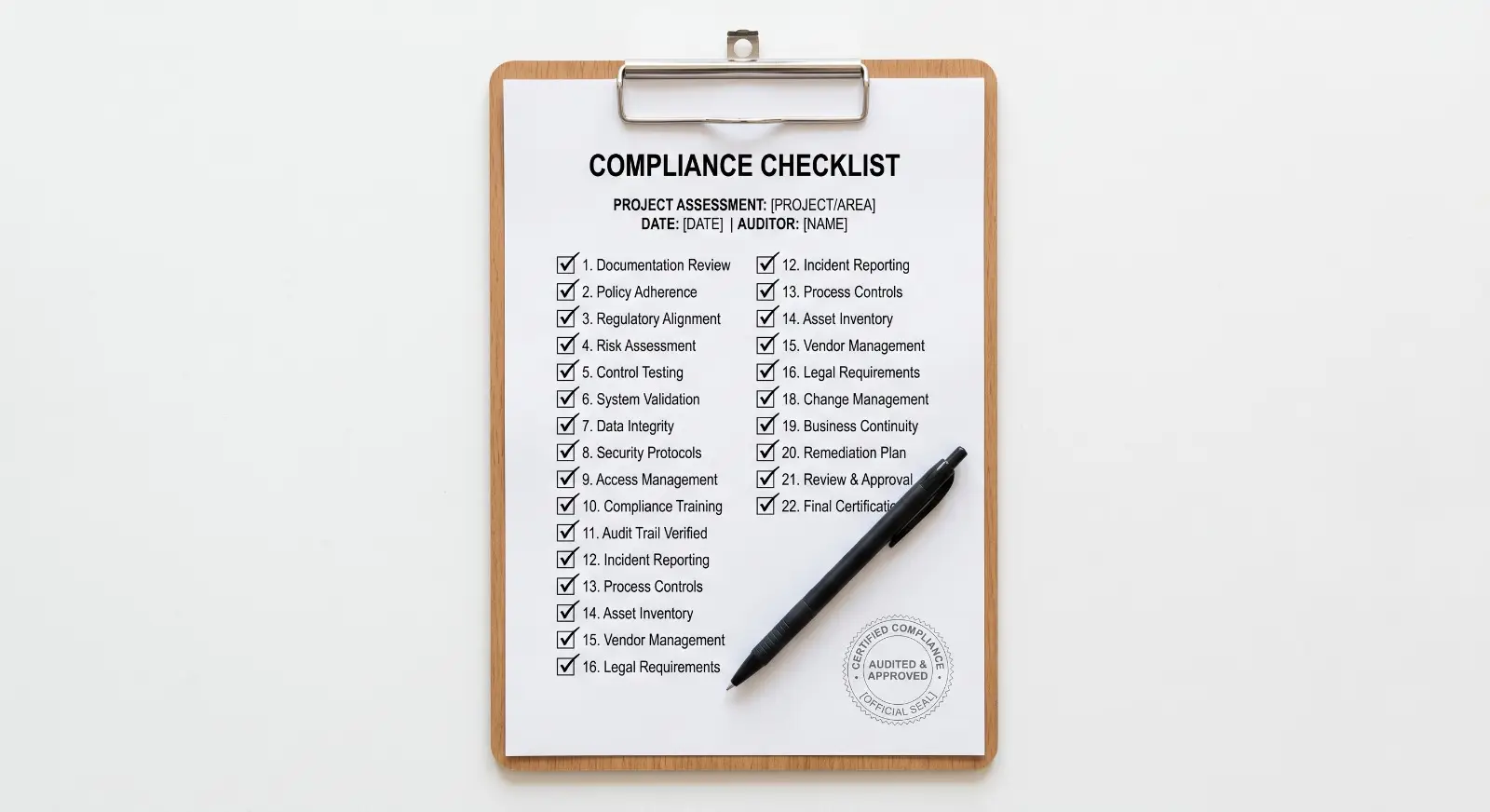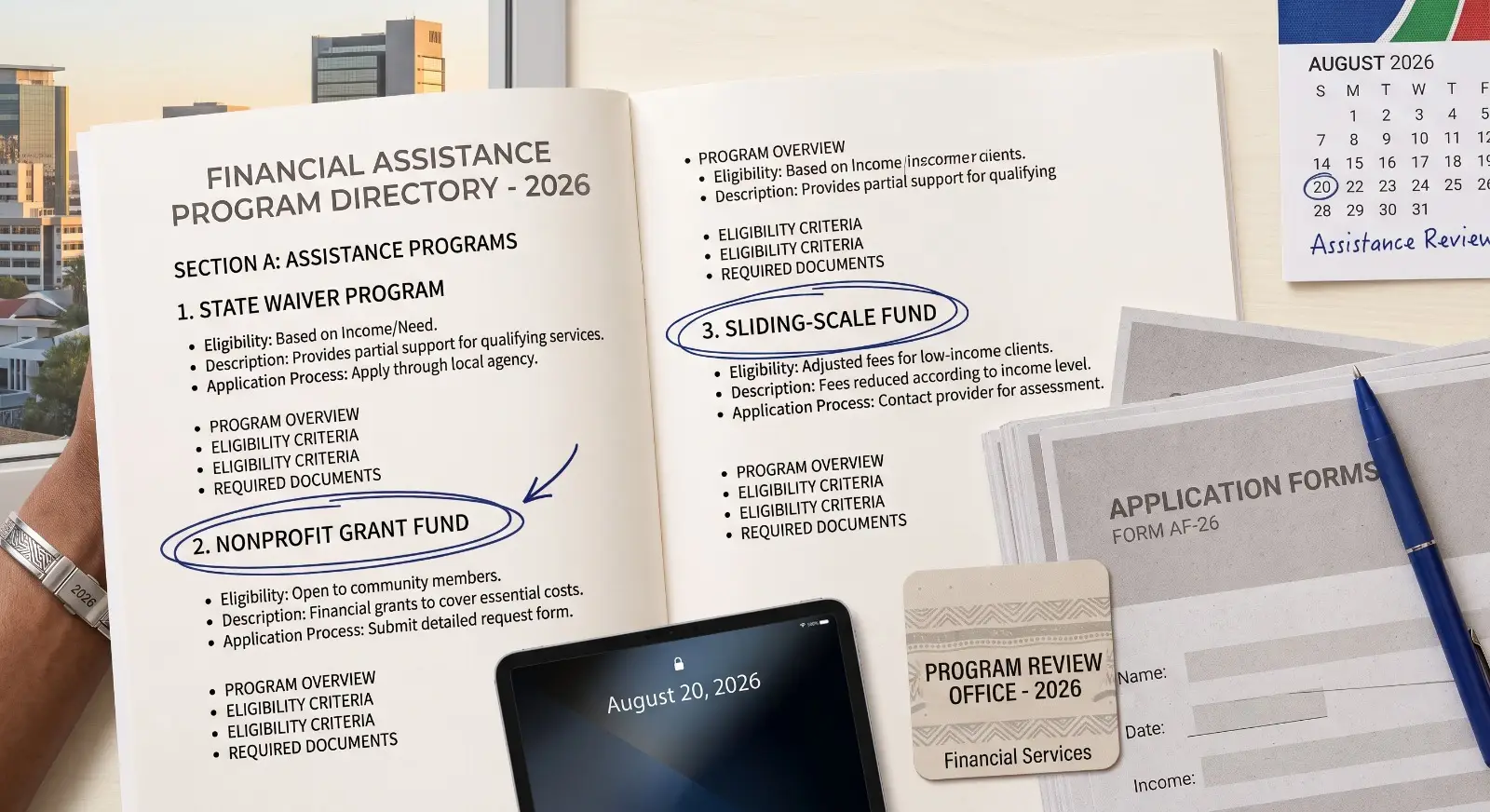
If you are trying to figure out how to afford ABA therapy in North Carolina, the main sources of financial help usually include private insurance, self-funded employer plans, North Carolina Medicaid, grant or nonprofit support, HSA or FSA funds, and provider payment options. Some families also reduce the overall burden through school-based or early-support services. The best starting point depends on your coverage, your child’s diagnosis status, and which providers are available in your area.
For many parents, the hardest part is not just the cost. It is trying to sort through insurance rules, paperwork, and timelines while you are already carrying a lot. This guide is here to make that process feel more manageable. We will walk through what to check first, what can happen at the same time, and when it may help to get provider support involved.
Quick Summary
- Most families start by checking either private insurance or North Carolina Medicaid.
- Coverage does not always mean low cost. Deductibles, coinsurance, prior authorization, and network rules still matter.
- Self-funded employer plans may not follow the same North Carolina coverage rules as fully insured plans.
- Grants, nonprofit support, HSA/FSA funds, and payment plans may help fill gaps.
- School or early-support services may ease the broader care load, but they do not replace medical ABA funding.
- If you want help sorting through the next steps, you can reach out to Alight.
What Financial Help Is Available for ABA Therapy in North Carolina?
Start With the Funding Path That Fits Your Family
A lot of the stress around paying for ABA comes from not knowing which option to pursue first. In North Carolina, financial help often falls into two buckets.
The first is direct help with the cost of therapy itself. That may come from private insurance, a self-funded employer plan, North Carolina Medicaid, grants, or a provider payment arrangement.
The second is support that lowers the family’s overall care burden. That may include school services, early-support resources, or flexible spending tools that make the bigger picture easier to manage.
Instead of trying to do everything at once, it usually helps to identify your main coverage source first. Then you can add secondary options where they make sense. If you already know you want help understanding your next move, you can contact Alight for practical guidance.
What Can ABA Therapy Cost in North Carolina, and Why Do Family Costs Vary?
There is no single price that fits every family. ABA therapy costs can look very different depending on the number of recommended hours, the care setting, the provider’s network status, and the details of the insurance plan.
That is why two families can both be told that ABA is covered and still have very different experiences. One family may move forward with manageable out-of-pocket costs, while another may run into a high deductible, coinsurance, prior authorization delays, or out-of-network charges.
For families who are newly navigating an autism diagnosis, the first costs may involve evaluation steps, referral visits, and the documentation needed to show medical necessity before therapy begins. For families already in care, the challenge is often keeping services financially sustainable over time as authorizations renew and out-of-pocket costs add up.
If you want a better sense of what can affect the bill beyond the initial quote, this guide to hidden out-of-pocket ABA costs is a helpful place to start.
How Can Private Insurance Help Pay for ABA Therapy in North Carolina?
Private insurance is often the first option families check, but it is important to look past the word “covered.” A plan may include ABA therapy and still leave the family responsible for part of the cost.
In North Carolina, coverage conversations may also involve state-mandate rules. Even so, not every employer plan works the same way. Some families are covered through self-funded employer plans, which are often governed differently and may not follow the same state-level requirements as fully insured plans. That is one reason plan-specific questions matter so much.
When you call your insurer, it helps to ask:
- Is ABA therapy covered under our specific plan?
- Is the provider in network?
- Is prior authorization required?
- Do we need an autism diagnosis, referral, or evaluation records before services can be approved?
- What will we owe toward the deductible or coinsurance?
- Are there limits on hours, settings, or authorization renewals?
If you want a broader overview before making those calls, this guide on understanding ABA insurance benefits can help. Families comparing options may also find this article on insurance plans that may cover ABA therapy useful.
How Does North Carolina Medicaid Fit Into the Picture?
For some families, North Carolina Medicaid can make ABA therapy much more financially possible. That does not mean every child will qualify or that the process will move quickly, but it can be one of the most important paths to explore when affordability is a major concern.
In many cases, the process looks something like this: confirm eligibility, gather diagnosis or evaluation records, make sure referral or medical-necessity documentation is in place if needed, identify providers that accept the coverage, and then work through the authorization process.
If your child is still early in the evaluation process, this step can feel slower than you hoped. That does not always mean you are stuck. Sometimes it simply means the paperwork needed to support the request is still being built.
Before you call a provider or plan, try to gather your insurance information, any diagnosis or evaluation records you already have, referral paperwork, and a short list of questions about acceptance and next administrative steps. Delays do not always mean a final no. In some cases, they point to missing documents or another issue that can still be addressed.
Families can review public-program details through NC Medicaid. If you also want to understand what in-home support can look like, Alight’s page on supporting North Carolina families with in-home autism therapy gives helpful context.
The CLEAR Path to Paying for ABA in North Carolina
Coverage First
Start by identifying whether your family is working with private insurance, a self-funded employer plan, North Carolina Medicaid, or no meaningful coverage yet. That first distinction shapes almost every next step.
Limits and Likely Out-of-Pocket Costs
Look closely at deductibles, coinsurance, network rules, prior authorization, and renewal requirements. Approval can be important, but approval alone does not always solve the affordability question.
Extra Support Layers
If core coverage still leaves a gap, there may be other ways to reduce the strain. Depending on your situation, that could include nonprofit help, grants, HSA/FSA funds, tax-related savings, or a conversation with the provider about payment options.
Action Order
A practical order is to verify your main coverage first, gather diagnosis and referral documents second, contact likely providers third, and then pursue secondary supports in parallel. That sequence can help you avoid spending energy in the wrong place.
Route to Care
Once you know your likely funding path, it becomes much easier to ask better questions and move forward with a provider conversation. If you are ready for that step, you can contact Alight to talk through records, insurance questions, and what may come next.
What Other Support Can Reduce the Total Cost Burden?
Insurance and Medicaid are usually the biggest pieces of the puzzle, but they are not the only ones.
Grants and nonprofit assistance may help when coverage leaves a gap or when therapy costs are competing with other household expenses. Availability can vary, so it helps to ask what documentation is required before investing time in an application.
HSA and FSA funds may also be worth exploring when your plan allows it. For the most up-to-date information on those options, the IRS guide to health savings and flexible spending arrangements is a reliable reference.
Sometimes the issue is not whether ABA is covered, but whether the family’s share is still too hard to manage. In those cases, a payment-plan conversation with the provider may be worth having. If you are dealing with partial coverage or a denial, this article on what other parents did after ABA coverage was denied may help you think through the next step.
School-based, IEP-related, or early-support services can also play a role in the bigger picture. They may reduce the overall burden on the family by meeting other developmental or educational needs, even though they do not replace medical ABA funding.
North Carolina ABA Funding Path Decision Tree
If everything feels urgent, use this simple decision tree to decide what to do first and what to work on in parallel:
- Do you have commercial insurance? Check ABA coverage, network status, prior authorization rules, deductible, and coinsurance.
- Is the employer plan self-funded? If yes, ask for plan-specific ABA details instead of assuming the same North Carolina mandate rules apply.
- Could your child qualify for North Carolina Medicaid or another public-support path? If so, check eligibility and gather diagnosis, referral, and insurance-coordination documents.
- Are diagnosis, referral, or medical-necessity records still missing? If yes, focus there first so the funding process does not stall.
- Has coverage been denied, delayed, or only partially approved? Ask for the written reason and review what may be missing before assuming the answer is final.
- What secondary help could reduce the remaining burden? Look at grants, nonprofits, HSA/FSA funds, tax-related options, and payment plans.
- Is there a provider in your area who accepts the coverage you have? Confirm service-area fit, insurance acceptance, and the next administrative steps.
The goal is not to do everything perfectly. It is to figure out which path is most likely to move your family forward while other helpful steps keep moving in the background.
FAQ
Does Insurance Cover ABA Therapy in North Carolina?
Many plans may offer some level of ABA coverage in North Carolina, but the answer depends on the specific plan, network rules, authorization requirements, and whether the plan is fully insured or self-funded.
Does North Carolina Medicaid Cover ABA Therapy?
North Carolina Medicaid may be an important funding path for eligible families, but documentation, authorization, and provider acceptance still play a big role in what happens next.
How Much Does ABA Therapy Cost Without Insurance in North Carolina?
Costs can vary widely based on the number of recommended hours, the service setting, the provider, and the child’s needs. If you do not have workable coverage, start by checking Medicaid eligibility, secondary assistance options, and realistic next-step conversations with providers.
What If My Child’s ABA Is Only Partially Covered or Denied?
Ask for the written reason, review whether any diagnosis, referral, or authorization documents are missing, and follow up with both the plan and the provider before assuming the decision cannot change.
Can Schools, IEP Services, or Other Supports Reduce the Cost Burden?
They may ease the overall support burden by addressing educational or developmental needs in other settings, but they do not replace medical ABA funding.
How Can I Find ABA Providers in North Carolina That Accept Medicaid or Insurance?
Ask whether the provider accepts your specific plan, serves your part of North Carolina, offers the setting your child needs, and can walk you through the administrative steps clearly.
If you are trying to sort through insurance, Medicaid, records, and timing all at once, you do not have to untangle it alone. Alight can be a helpful place to start for practical guidance. You can contact Alight to talk through coverage questions and what support may make sense next.