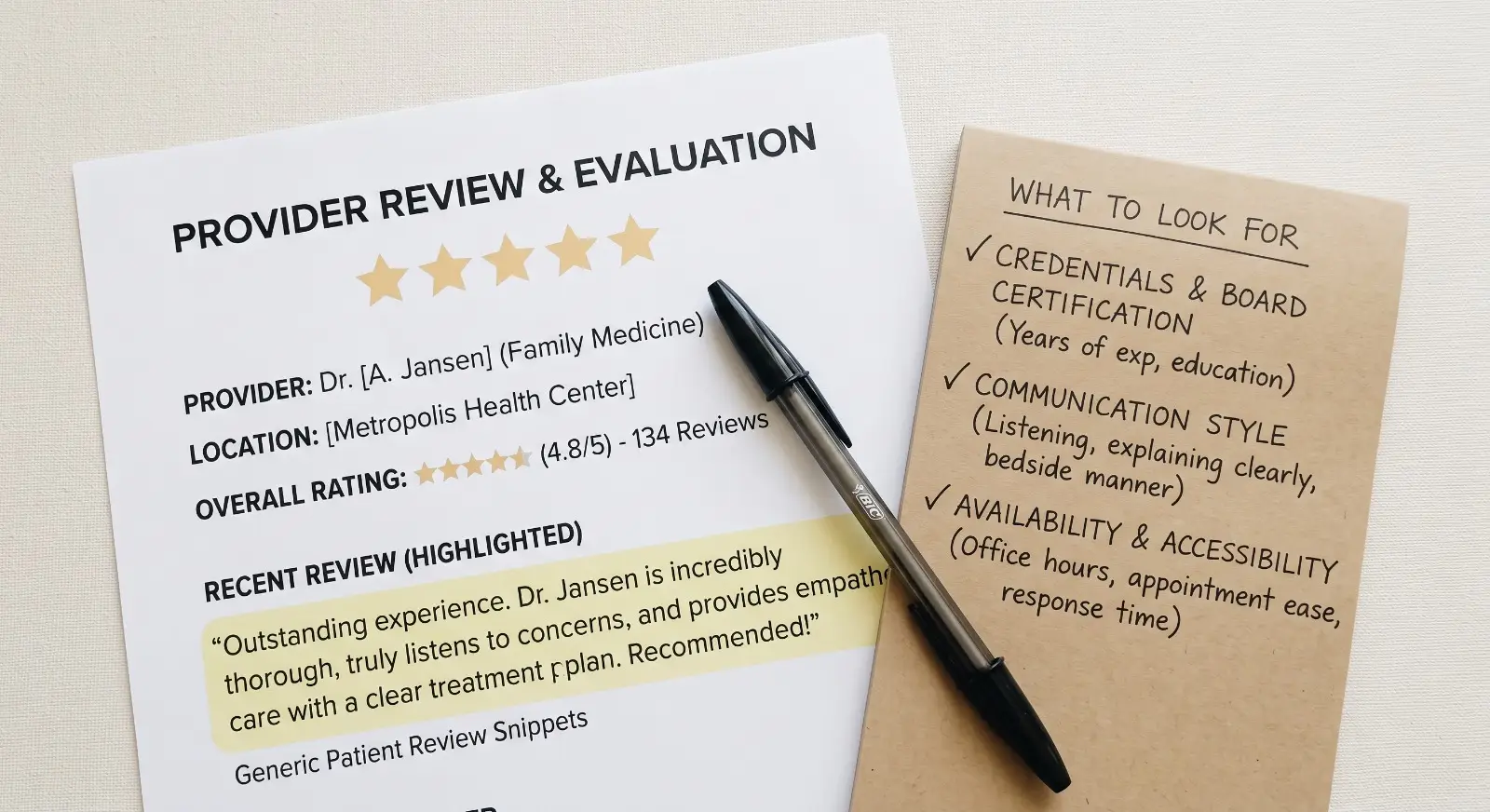
If you’re trying to find the best ABA therapy provider in North Carolina, it helps to look past polished websites and broad promises. A strong provider usually stands out through clear BCBA oversight, honest communication, practical access, and support that fits your child’s real life at home, at school, and in everyday routines.
Quick Summary
- The best fit is not always the provider with the strongest marketing. It is the one that matches your child’s needs and your family’s day-to-day life.
- Ask how the BCBA supervises care and how RBTs are supported.
- Make sure the service setting fits your child’s goals, whether that means home, school, clinic, or a mix.
- Ask how insurance or North Carolina Medicaid verification works before you get too far into the process.
- Look for progress updates that are easy to understand outside a therapy session.
When you’re comparing providers, it’s easy to feel like every option says the same thing. Many North Carolina parents are not just asking, “Who offers ABA?” They’re asking, “Who will actually support my child well, communicate clearly, and work with our family in a way that feels manageable?” That is what this guide is here to help with.
What Actually Makes an ABA Provider Feel Top-Rated for Your Family?
For most families, a provider feels top-rated when five things line up: setting fit, clinical oversight, access, partnership, and progress.
What matters most can shift by age and stage. A younger child may need more support around routines, early communication, and caregiver coaching. A school-age child may need better school coordination. An older child or teen may need goals tied more closely to independence and community life.
Reviews can still be useful, but they only tell part of the story. They do not always show how care works day to day or whether support will carry over into real environments. If that matters for your child, it helps to understand what strong home- and school-based ABA support can look like in practice.
Why Ratings, Promises, and Website Copy Are Not Enough
Map results, testimonials, and reassuring website copy can help you build a shortlist. They usually cannot tell you how often a BCBA is involved, how goals are individualized, how caregiver coaching works, or how progress is shared over time.
That is the difference between a provider that sounds good and a provider that feels like the right fit. Families need more than polished language. They need clear answers about how support will work for their child, their schedule, and their everyday life. If you want a deeper look at individualized care, this guide to individualized ABA treatment plans is a helpful next read.
The Real-Life Fit Review
A simple way to compare providers is to use The Real-Life Fit Review. Instead of focusing on which clinic sounds the most impressive, this framework helps you look at what actually affects fit.
Setting Fit
Start with where your child needs support most. Some children need help with routines, communication, and transitions at home. Others need support with school participation, peer interaction, or moving through community settings more confidently.
That is why the right setting is not the same for every family. In-home and school-based services can be especially helpful when goals need to show up in the places your child actually spends time. At the same time, clinic-based care may be a better fit for some children and some goals. If you want a quick side-by-side overview, this home ABA vs. center ABA comparison can help. If your child needs support across both routines and school demands, it may also help to review what home- and school-based ABA services can include.
Clinical Oversight Fit
Families should be able to understand who is leading care and how treatment decisions are made. In ABA, a BCBA oversees treatment, while an RBT often provides direct therapy under supervision. The important question is not just whether those roles exist. It is whether the provider can explain clearly how supervision happens in real life.
Ask how often the BCBA observes sessions, how goals are reviewed, and what happens when progress slows or needs to change. Good oversight should feel visible, thoughtful, and tailored to your child. For more context on what individualized planning can look like, this article on treatment plan strategies offers a useful overview.
Access Fit
A provider can sound wonderful on paper and still be a difficult fit if access is inconsistent or unclear. That is why it helps to ask practical questions early: What areas do they serve? How far do clinicians travel? How long does onboarding usually take? How do scheduling and availability work?
This can matter even more in North Carolina, where access may look very different from one area to another. Families in larger metro areas may have more options close by. Families in smaller cities or rural areas may need to ask more detailed questions about travel, consistency, and whether school-based support is actually realistic. If you are using private insurance or North Carolina Medicaid, ask exactly how benefits are verified and what steps happen before services begin. For more background, you can read how ABA insurance coverage works and what financial help may be available for ABA therapy in North Carolina.
Partnership Fit
Families are not only choosing a service. They are also choosing what kind of support relationship they are stepping into.
A strong provider should listen to caregiver concerns, explain recommendations in plain language, and make room for parent insight. The tone should feel collaborative, not scripted. For some families, that means getting hands-on guidance for routines at home. For others, it means stronger communication with teachers or better coordination around school needs. For older children and teens, it may mean support that stays grounded in independence and daily life.
If family collaboration matters to you, this article on why parent training matters in ABA is a useful companion piece.
Progress Fit
Progress should make sense outside the therapy session. Families should be able to understand what goals are being worked on, why those goals matter, and how change is showing up at home, at school, or in the community.
Ask how progress is tracked, how often updates are shared, and how the team adjusts when something is not working as expected. Progress is not always linear, but it should be clear and meaningful. If you want more detail on what those updates can look like, this guide to understanding ABA progress offers a helpful overview.
Questions to Ask Every ABA Provider Before You Decide
Using the same core questions with every provider can make comparisons much easier. It also helps you leave each intake call with notes you can actually use.
- Setting fit: Where do you usually provide services for children with goals like my child’s, and how do you decide between home, school, and clinic settings?
- Clinical oversight fit: How often does the BCBA observe therapy, review goals, and adjust the treatment plan?
- Access fit: What parts of North Carolina do you actively serve, and how do you handle scheduling, travel, and insurance verification?
- Partnership fit: How do you involve caregivers in goal setting, coaching, and ongoing communication?
- School collaboration: If my child needs school support, what does communication with teachers or school teams usually look like?
- Progress fit: How will we know whether therapy is helping in daily life, not just during sessions?
- Age-specific fit: For older children or teens, how do you build goals around independence and community participation?
The most helpful answers are usually the ones that feel specific, realistic, and responsive to your child rather than overly polished or generic.
North Carolina-Specific Factors That Can Change the Right Choice
In North Carolina, clinical quality is only part of the decision. Geography, travel range, school coordination, and insurance logistics can all shape which provider is the right practical fit.
Families in larger metro areas may have more providers to compare. Families outside those areas may need to ask tougher questions about travel consistency, local clinician availability, and whether school collaboration is workable in practice. It can also help to ask each provider what paperwork they handle, how benefit verification works, and what timeline to expect before services begin.
North Carolina ABA Provider Scorecard
A simple scorecard can make these conversations easier to track, especially once multiple providers start to blur together.
| Provider Name | Primary Service Settings | Who Supervises Care | Parent Training / Coaching | School Collaboration | Insurance / Medicaid Fit | Service Area / Travel Practicality | Progress Reporting | Start Process | Overall Fit Notes |
As you use it:
- Fill it in during or right after each intake call.
- Compare providers side by side instead of relying on memory.
- Look for patterns in supervision, communication, school coordination, and day-to-day access.
- Use the notes column for anything that affects real-life fit for your family.
FAQ
How do I choose the best ABA therapy provider for my child?
Start with fit, not marketing. Look at setting fit, BCBA oversight, access, caregiver partnership, and how progress is explained over time.
What credentials should an ABA therapy provider have?
Families should understand who the BCBA is, how that clinician oversees treatment, and how RBTs are supervised. A strong provider should be able to explain that clearly.
Is in-home ABA therapy better than clinic-based therapy?
Not for every child. The best setting depends on where support is most needed and which goals matter most right now.
Does the provider need to accept North Carolina Medicaid or private insurance?
Coverage does not tell you whether a provider is high quality, but it does affect whether care is practical. Ask how benefits are verified and what happens before services begin.
How can I tell whether an ABA provider will communicate well with our family?
Look for clear answers, regular updates, caregiver coaching, and respect for parent insight. Good communication should feel collaborative, not confusing.
Finding the right ABA therapy provider in North Carolina is not about choosing the clinic with the strongest pitch. It is about finding a team that supports your child in meaningful ways and helps your family feel informed, respected, and cared for. If you want to see how that kind of support can look in everyday life, take a look at Alight’s home- and school-based ABA services.