If the autism waiting list Minnesota families are running into feels too long, you are not imagining the strain. Many parents are trying to move forward with ABA or related support while evaluation steps, paperwork, provider availability, and scheduling all move at different speeds.
The good news is that a long wait does not always mean you are out of options. In Minnesota, families can often take meaningful next steps before formal services begin. The key is figuring out where the delay is happening, which paths can move in parallel, and what support still matters in the meantime.
What Minnesota Families Are Really Asking When the Wait Feels Too Long
When parents search for autism services or ABA in Minnesota, the real question is usually not just, “How long is the wait?” It is, “Are we stuck, or is there a smarter way to move this forward?”
That question matters because waitlists are rarely one simple line. One family may be waiting for an autism evaluation. Another may already have a diagnosis but still need a CMDE or EIDBI-related step. Another may be ready to start services but cannot find a provider with the right age fit, location coverage, or schedule.
If you are feeling pressure to act quickly, that response makes sense. At the same time, it helps to shift from passive waiting to active planning. This article is designed to help Minnesota families identify the bottleneck, understand what can happen next, and focus on practical actions rather than trying to solve everything at once.
Why Autism and ABA Waitlists Happen and Why Timelines Vary
Autism and ABA waitlists happen for several reasons, and the reason behind the delay often changes what families should do next.
Sometimes the backlog is at the evaluation stage. A child may still need a diagnostic appointment, or the family may be waiting on a CMDE if EIDBI services are part of the path. In other cases, the delay happens later: a provider may have limited staff, a narrow in-home travel radius, or fewer openings for a certain age group or service intensity.
Insurance and public-benefit steps can also slow things down. A family may need referrals, records, benefit verification, or additional paperwork before services can start. Geography matters too. In the Twin Cities metro, families may find more provider options, while broader-state coverage can depend heavily on clinician availability and travel range.
This is why broad claims about an “average Minnesota wait time” are not very useful. Two families can both be waiting for ABA and still be stuck at completely different points in the process.
Age also shapes the planning. For younger children, urgency often centers on early developmental support, Help Me Grow, and moving evaluation-related steps forward as quickly as possible. For school-age children, the plan may need to include school evaluation, IEP coordination, or support strategies that help at home while formal ABA is still pending.
The Minnesota WAIT Path
A practical way to approach an ABA waiting list in Minnesota is to use the WAIT Path: Where the delay is happening, Activate parallel pathways, Interim support that still matters, and Track next actions and timing.
W – Where the delay is happening
Start by identifying the actual bottleneck. Are you waiting on an autism evaluation? A CMDE or EIDBI-related approval? A provider opening? Insurance verification? A service area match for in-home care?
Some families discover that they are dealing with more than one delay point at the same time. For example, a child may be clinically ready for services, but the family is still waiting on benefit-related steps and provider capacity. Naming the delay clearly helps you avoid spending energy on the wrong problem.
A – Activate parallel pathways
Once you know where the slowdown is happening, look for the paths that can move at the same time.
That may mean joining more than one appropriate provider waitlist, asking to be added to cancellation lists, and continuing evaluation or CMDE follow-up without waiting for one step to finish before starting the next. For younger children, that could also include exploring state-supported entry points such as the Minnesota Autism Portal and Help Me Grow. For school-age children, it may involve speaking with the school team about evaluation, classroom supports, or home-school coordination while outside services are still pending.
Parallel action should reduce idle time, not create more confusion. The goal is not to fill every day with tasks. The goal is to keep important doors open.
I – Interim support that still matters
Waiting does not have to mean doing nothing. Some supports can help now, even before formal ABA starts.
Parent coaching or caregiver guidance can be useful when available. Families may also benefit from clearer home routines, more predictable transitions, and simple communication supports that reduce friction in everyday situations. If a child is already in school or daycare, coordination with those adults can help everyone respond more consistently.
These steps are not a replacement for individualized care. They are a way to support the child and family now, while keeping expectations realistic. Research and clinical guidance from sources such as the CDC’s autism resources continue to emphasize the value of early support, caregiver involvement, and coordinated care.
T – Track next actions and timing
A waitlist becomes more manageable when the process is visible.
Keep track of provider names, response dates, documents still needed, cancellation-list requests, and the questions you want to ask during intake calls. If a provider contacts you with an opening, being organized can make it easier to say yes quickly, ask informed questions, or recognize when a fit is not right.
This does not need to be complicated. A simple note on your phone or a spreadsheet is often enough. What matters is reducing missed opportunities and decision fatigue.
Minnesota Steps Families Can Start Right Now
If your child is on an autism services or ABA waiting list in Minnesota, start with the steps that change access most directly.
This week, confirm whether the diagnostic evaluation is complete and whether a CMDE is needed. Join more than one appropriate waitlist if you have not already done that. Ask each provider whether they keep a cancellation list and what being “on the waitlist” actually means. Gather referrals, prior evaluations, and any records that are likely to come up later. It is also a good time to verify insurance details, including whether Medical Assistance or MinnesotaCare changes what approvals are needed.
Over the next month, compare providers more closely. Make sure the provider serves your child’s age range, setting needs, and part of Minnesota. If your child is younger, focus on developmental entry points, family routines, and evaluation-related momentum. If your child is school-age, think about school coordination, after-school routines, and whether home challenges should be documented before services begin.
This is also the stage to prepare practical intake questions. Ask about caregiver involvement, scheduling expectations, how progress is measured, and what the first steps usually look like after an opening becomes available.
What Families Can Do While Waiting for Services
Helpful action during the waiting period should be realistic, not overwhelming.
Many families benefit from focusing on daily routines first. Clear expectations around transitions, meals, bedtime, or getting out the door can reduce stress for both the child and caregivers. Communication support can also matter, especially when frustration rises because a child is having difficulty expressing wants, needs, or discomfort.
It can also help to track patterns you want to discuss later. Instead of trying to interpret every behavior, note what is happening before and after difficult moments, what seems to help, and what settings feel hardest right now. That kind of information can make future intake and treatment planning more specific.
For younger children, routines, caregiver-supported play, and simple communication supports may be the most useful place to start. For school-age children, it may be more helpful to focus on regulation, after-school structure, peer-related challenges, and consistency between home and school.
If other professionals are already involved, coordination matters. That might include daycare staff, teachers, pediatric providers, or therapists in another discipline. Community and county supports can also reduce family strain while you wait, even if they are not the same thing as ABA.
Questions to Ask Providers Before You Join or Stay on a Waitlist
Not every waitlist functions the same way, so it is worth asking direct questions before assuming you are in a strong position.
Ask what ages the provider currently serves and which parts of Minnesota they realistically cover. If the service is in-home or community-based, ask how travel range affects availability. Ask whether the provider offers the setting you need and whether there are certain times of day that open faster than others.
It is also reasonable to ask what the waitlist actually means. Does it mean you are fully intake-ready, or does it simply mean your name has been added to an early-interest list? Does the provider maintain a cancellation list? What documents or approvals should you prepare now so that an opening does not get delayed later?
Caregiver involvement is another important question. Ask how parents are included, how progress is explained, and what the first 30 days of service usually look like. If you are comparing local options, reviewing a provider’s Minnesota service areas or a page such as ABA therapy in Ramsey County can help you confirm whether the location fit is realistic before you spend more time in the intake process.
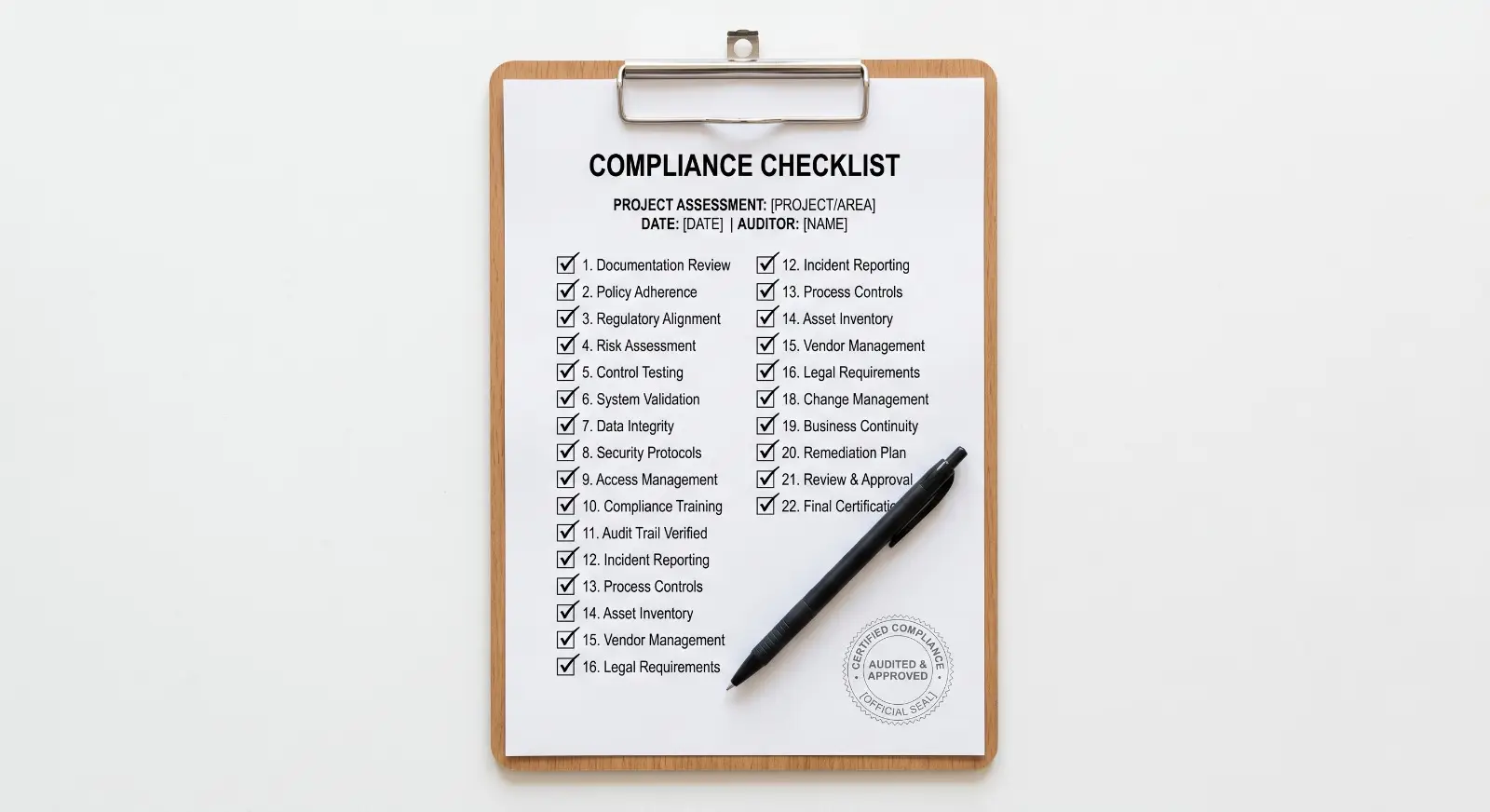
Minnesota While-You-Wait Planning Checklist
Use this checklist to stay organized without turning the wait into a full-time job.
Right now
- Confirm whether diagnosis or evaluation is complete.
- Ask whether a CMDE is needed for the next step.
- Review insurance, Medical Assistance, or MinnesotaCare status.
- Join appropriate provider waitlists.
- Ask whether cancellation-list placement is available.
This month
- Gather referrals, records, and prior evaluations.
- Compare provider fit by age range, service setting, and geography.
- Coordinate with school, daycare, early-intervention, or other existing supports.
- Prepare intake questions about scheduling, caregiver involvement, and next steps.
While you stay on lists
- Track follow-ups, callbacks, and any deadlines.
- Note communication, behavior, or daily routine concerns you want to discuss later.
- Build routines and caregiver supports that are practical now.
- Revisit backup options if one path stalls.
When an opening comes up
- Confirm whether the schedule works for your family.
- Ask what setting is available and whether it matches your needs.
- Clarify how caregivers will be involved.
- Ask what the first 30 days will include.
- Confirm whether any documents or approvals are still missing.
If a provider offers several connected services, that can sometimes reduce handoff delays. For example, Alight ABA offers in-home ABA, autism evaluations, and CMDE support for some Minnesota families, but it is still important to confirm current service area and capacity rather than assuming availability.
FAQ
How do Minnesota families qualify for EIDBI services?
EIDBI is Minnesota’s Early Intensive Developmental and Behavioral Intervention benefit. Eligibility questions usually matter once a family is moving from diagnosis or evaluation toward service authorization. Because the exact steps can depend on age, benefit status, and documentation, it helps to confirm early whether EIDBI is part of your child’s path instead of waiting until a provider opening appears.
What is a CMDE and when is it needed?
A CMDE is a Comprehensive Multi-Disciplinary Evaluation. In Minnesota, families may hear about it when they are preparing for EIDBI-related access. In practical terms, it helps establish medical need and clarify whether certain developmental and behavioral services are appropriate. If you are unsure whether it applies to your child, ask early so it does not become a later bottleneck.
Should families join multiple ABA waitlists at the same time?
Often, yes. Joining multiple appropriate waitlists can make sense when availability is limited, especially if providers differ by setting, service area, or schedule. The important part is staying organized and asking what each waitlist actually represents, because one provider may be intake-ready while another is simply collecting interest.
What can parents do while waiting for ABA therapy?
Focus on the steps that support daily life now: strengthen routines, use simple communication supports, ask about caregiver coaching, coordinate with school or daycare, and keep track of concerns you want to discuss at intake. Helpful action now should improve clarity and readiness, not create pressure to do everything at once.
How do school evaluations, Help Me Grow, and county supports fit in while we wait?
These can be parallel pathways, depending on your child’s age and needs. For younger children, Help Me Grow and other early-childhood supports may help families move sooner on developmental concerns. For school-age children, school evaluations and coordination with the educational team may matter more. County or community supports can also reduce family strain even when they do not replace ABA or diagnostic care.