If you’re looking into in-home ABA therapy in Winston-Salem, you probably want clear next steps, not more jargon. In most cases, getting started means confirming that home-based support fits your child’s needs, checking insurance, scheduling an assessment, and finding a provider that truly serves your area.
If this feels like a lot, you’re not alone. Many families begin this search while juggling new information, daily stress, and the pressure to make a good decision quickly. This guide is meant to make the process feel more manageable and help you move forward with a little more confidence.
Quick Facts for Winston-Salem Families
- Who in-home ABA may help: Children and young adults who need support with communication, routines, transitions, safety, play, social interaction, or daily living skills.
- Where sessions happen: Usually at home, and sometimes in everyday community settings when that makes sense for the child’s goals.
- Who is involved: A BCBA guides the care plan and clinical oversight, while an RBT often provides direct therapy sessions.
- What parent involvement looks like: Caregiver collaboration and parent coaching are often part of the process, but it should feel supportive rather than overwhelming.
- Typical first steps: Initial contact, benefits verification, assessment, records review, and a personalized treatment plan.
- Important local questions: Ask whether the provider serves your part of Winston-Salem or the wider Forsyth County area and what scheduling options are realistic.
- Helpful next read: If you want a broader statewide overview, start with in-home ABA therapy in North Carolina.
What In-Home ABA Can Look Like in Real Family Life
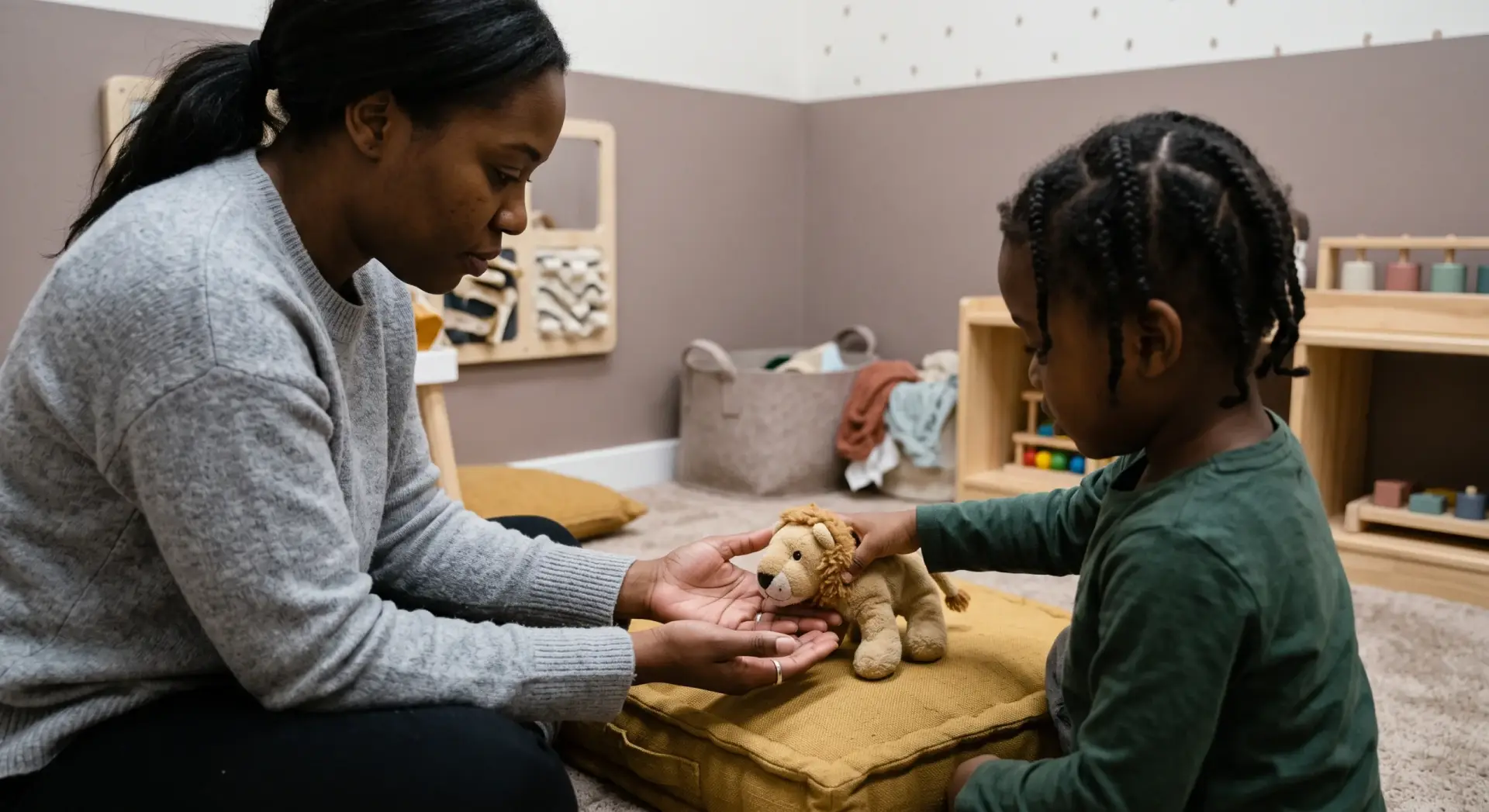
In-home ABA is support that happens where your child already lives, plays, and moves through daily routines. That can make it easier to work on the moments that matter most to your family, whether that is getting through morning routines, handling transitions after school, improving communication during meals, or reducing stress around safety and sibling interactions.
For younger children, goals may center on communication, play, and routines. For school-age children, the focus might shift to transitions, emotional regulation, homework routines, or behavior carryover between school and home. Older youth may need more support around independence, self-advocacy, and daily living skills.
When it is done well, ABA should feel practical, individualized, and respectful. It should help build useful skills and improve quality of life, not force a child into a rigid mold. If you want a fuller overview of why some families prefer this setting, learn more about the benefits of home-based ABA therapy for families.
A Simple Way to Decide if In-Home ABA Fits Right Now
A helpful way to think through this decision is the HOME Fit Review. It gives families a calmer way to look at whether in-home support makes sense for their child, their home life, and their timing.
H: Home-life pressure points
Start with the parts of the day that feel hardest right now. That could mean communication breakdowns, safety concerns, transition struggles, routines that never seem to go smoothly, or stress that affects the whole household.
For some families, the biggest challenges show up around meals, bedtime, or getting out the door. For others, it is after-school stress, sibling conflict, or moments when a child has trouble expressing what they need. When the most important goals are tied closely to home routines, in-home support can be especially useful because the clinical team sees those real situations instead of trying to imagine them from another setting.
O: Oversight and care model
It also helps to understand who is leading care and how support is delivered. In many ABA programs, the BCBA handles assessment, goal development, clinical oversight, and progress review. The RBT often provides the direct day-to-day sessions under that supervision.
Families should feel comfortable asking how often the BCBA is involved, how goals are updated, how progress is tracked, and what parent coaching looks like in practice. A strong provider should be able to explain this clearly in plain language. If you want more context on the caregiver role, this guide on how parents can participate in ABA therapy is a useful follow-up.
M: Money, map, and logistics
A provider can sound like a great fit and still not work well in real life. That is why logistics matter so much. Ask whether the provider serves your neighborhood in Winston-Salem or nearby parts of Forsyth County, whether travel affects session availability, and what scheduling options are realistic for your routine.
It is also smart to ask what paperwork is needed, whether the provider helps with insurance verification, and what you still need to confirm yourself. Coverage for ABA in North Carolina may depend on your plan, network status, and authorization requirements, so it is best to verify details directly. If you want help preparing those questions, this resource on financial help for ABA therapy in North Carolina can give you a stronger starting point.
E: Everyday expectations
Finally, try to picture what support will actually feel like in your home. Ask what sessions usually look like, how much caregiver involvement is expected, what kind of home setup may help, and how progress is communicated.
The goal is not to create more pressure for your family. Good in-home care should work with real life, not against it. A thoughtful provider should be able to explain how they adapt to your routines, what they are targeting, and how they adjust when something is not working well. For more practical context, see why home setup can matter during in-home ABA sessions.
How to Get Started With In-Home ABA Therapy in Winston-Salem
For many families, the process starts with a simple first conversation. This is the time to ask whether the provider offers in-home services in Winston-Salem, what age groups they work with, and what the next few steps look like.
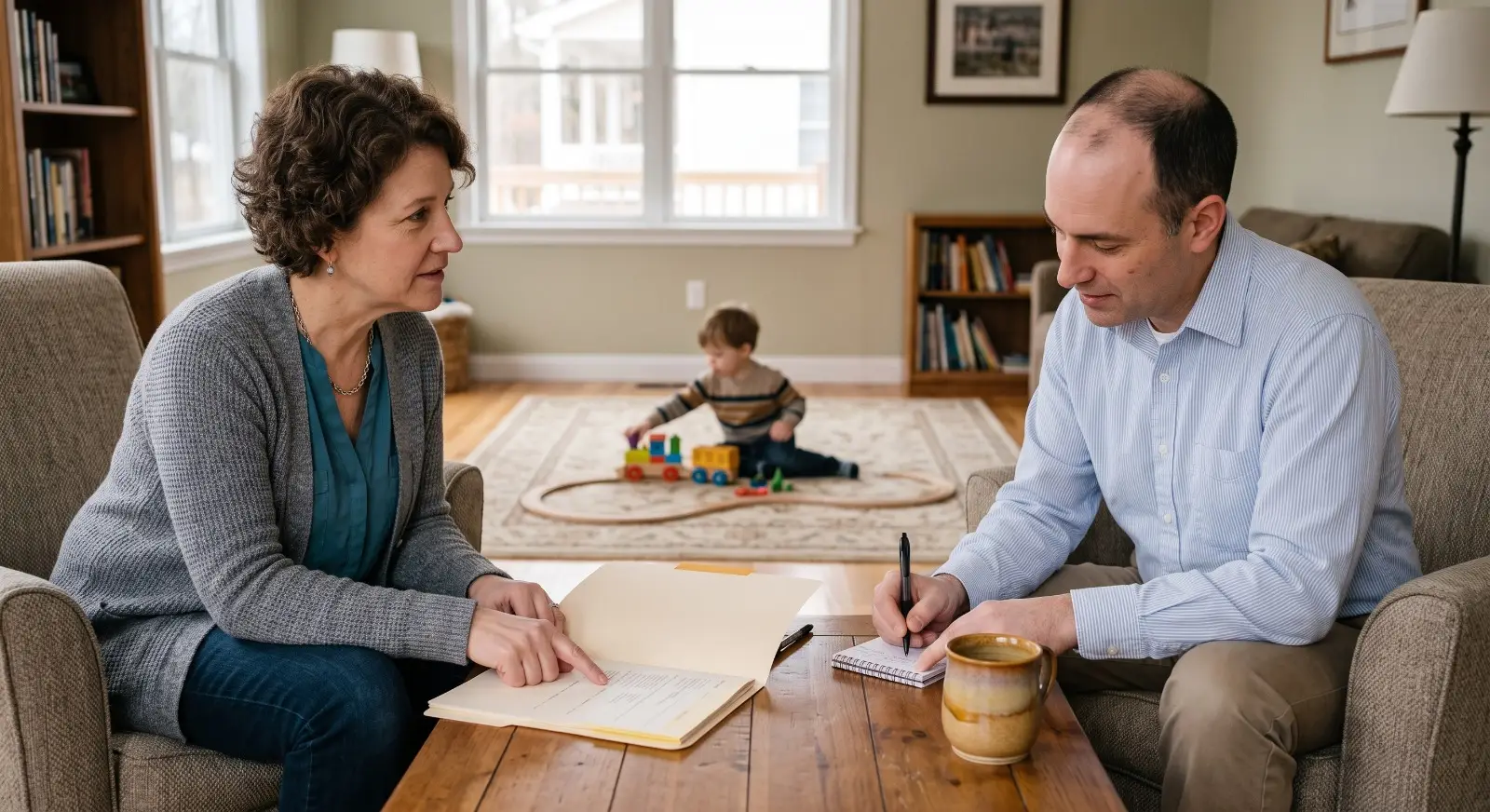
From there, many families move into benefits verification, records collection, and an assessment. During intake, the clinical team may ask about your child’s strengths, needs, routines, and the concerns that feel most urgent at home. You may also be asked for evaluations, school information, medical records, or other documents that help build a clearer picture.
After that, the provider can talk through recommendations, scheduling, and what happens before ongoing sessions begin. The process should feel clear and supportive, not rushed or confusing.
If your family wants a provider that combines professional guidance with a warmer, more personal approach, it can help to look for one that explains each step clearly, supports insurance navigation, and treats in-home care as part of everyday family life. Alight ABA emphasizes in-home convenience, individualized support, and family partnership. For a broader overview of services, you can explore Alight’s in-home ABA therapy page for North Carolina or read more about how Alight supports North Carolina families with in-home autism therapy.
In-Home ABA vs. Center-Based ABA
Neither setting is automatically better for every child. The right fit depends on what kind of support your child needs right now and what works best for your family.
In-home ABA may make more sense when goals are tied closely to routines, caregiver coaching, transitions, or behaviors that mostly happen at home. Center-based ABA may be a better fit when a child benefits from a more structured environment, more peer interaction, or fewer distractions.
Some families also find that their needs change over time. What matters most is choosing the setting that supports meaningful progress without making life harder than it already is. If you want a deeper side-by-side comparison, this guide on home ABA vs. center-based ABA is a helpful next read.
Questions to Ask Before Choosing a Winston-Salem ABA Provider
Before you commit, ask questions that help you understand both clinical fit and real-world fit:
- Do you offer in-home ABA in my part of Winston-Salem or elsewhere in Forsyth County?
- How is BCBA oversight structured?
- Who provides direct sessions, and how do you handle therapist consistency?
- What kind of parent coaching should we expect?
- What paperwork or records should we prepare before intake?
- Do you help verify insurance benefits, and what do we still need to confirm ourselves?
- What scheduling options are realistic for our routine?
- How do you measure progress and communicate updates?
If answers about supervision, service area, or next steps stay vague, it may be worth slowing down and asking more questions. Families who want more support with this part of the process can also read this parent guide to finding the right ABA therapist.
A Simple Provider Scorecard Can Help
If you are comparing a few options, it can help to create a side-by-side scorecard. Include space for service settings offered, Winston-Salem or Forsyth County coverage, ages served, BCBA oversight, parent coaching, intake steps, insurance support, common support areas, home-readiness expectations, and anything that feels unclear.
That kind of comparison can make it easier to spot the difference between a provider that sounds good on paper and one that actually fits your family’s needs.
FAQ
Are there providers offering in-home ABA therapy in Winston-Salem, NC?
Yes, in-home ABA may be available for families in Winston-Salem, but it is still important to confirm that a provider serves your area, has scheduling that works for your family, and offers the kind of support you are looking for.
How do I get started with in-home ABA therapy in Winston-Salem?
Most families begin by contacting a provider, asking about service-area coverage and insurance, and scheduling an assessment. After that, the next steps often include paperwork, records review, planning, and preparing for regular sessions.
Does insurance or North Carolina Medicaid cover ABA therapy?
Coverage may be available, but it depends on the plan, provider network, and authorization requirements. It is best to verify benefits directly and ask the provider what support they offer during that process.
What is the difference between in-home ABA and center-based ABA?
In-home ABA happens in the child’s everyday environment and can be especially helpful for routines, transitions, and caregiver coaching. Center-based ABA may offer a more structured setting with different kinds of support. The best fit depends on the child and the family.
How involved do parents need to be in in-home ABA therapy?
Parent involvement is often part of the process, but it should feel manageable and supportive. In many cases, caregivers are coached on strategies that help carry progress into daily routines rather than being expected to do everything on their own.
What happens during the first ABA assessment or intake?
The first assessment usually focuses on understanding your child’s strengths, needs, routines, and goals. Families may be asked to share records or evaluations, talk through concerns, and review what the next steps may look like if services move forward.