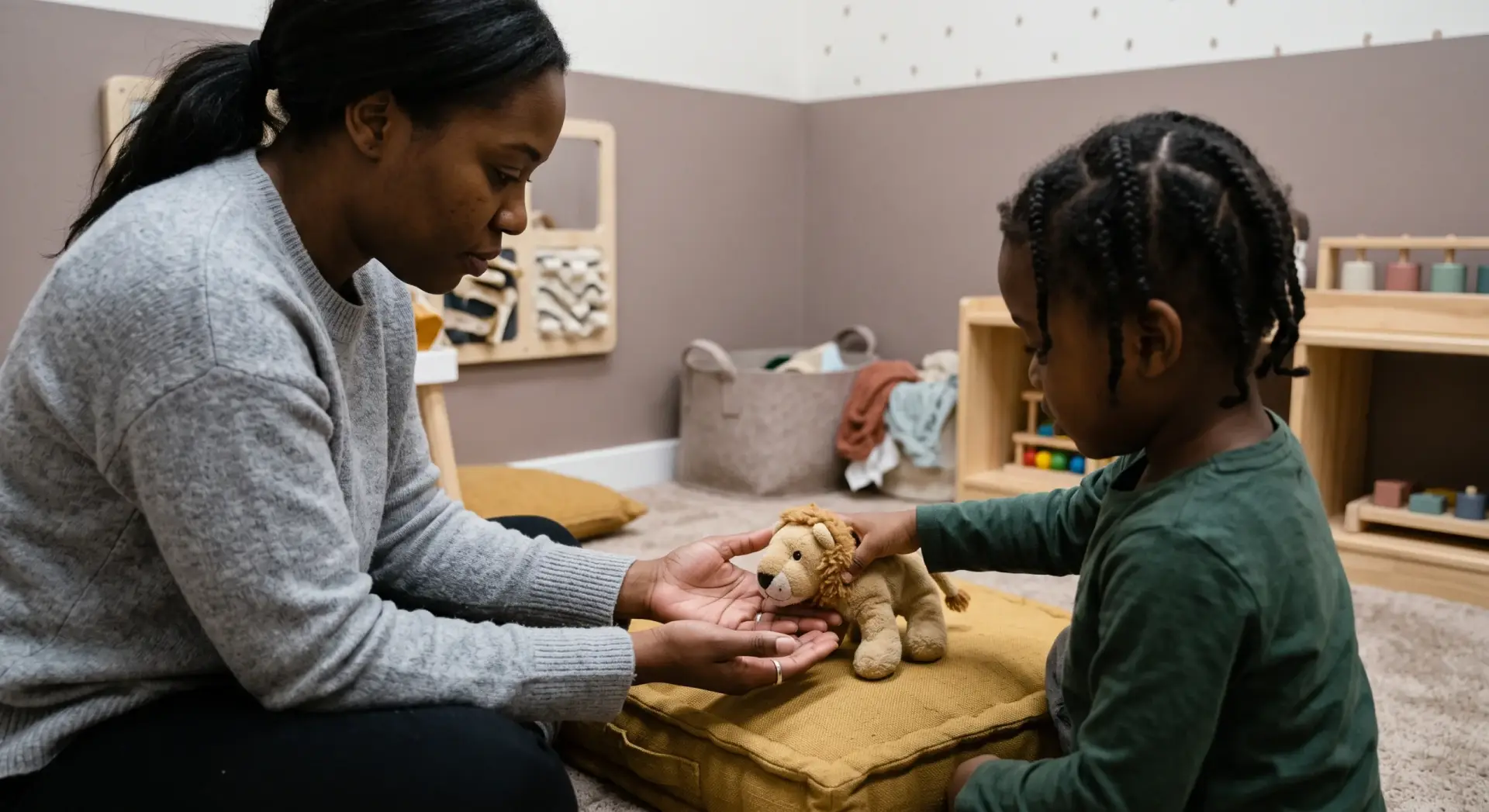
If you’re exploring in-home ABA in Minneapolis, St. Paul, or the surrounding Twin Cities area, you may be trying to answer a few big questions at once. Is this the right fit for my child? What will it actually look like in our home? And how do we choose a provider without feeling even more overwhelmed?
This guide is here to make that process feel clearer. In-home ABA therapy can give families support where daily life is already happening, whether that means communication during play, smoother transitions after school, or more confidence around routines at home. For many Minnesota families, it can also feel more practical and more personal than starting in a clinic setting.
Quick Answer + Key Facts
In-home ABA therapy in Minnesota brings support into your child’s everyday environment so skills can be practiced in real life, not just talked about in theory. For Twin Cities families, that often means help with communication, routines, safety, regulation, play, and independence in the places those moments actually happen. If you want a service-specific overview, you can learn more about in-home ABA therapy in Minnesota.
Quick Summary
- In-home ABA happens where your child already lives, plays, and moves through daily routines.
- It can be a strong fit for families in Minneapolis, St. Paul, and nearby communities who want support that feels practical, personalized, and easier to carry over between sessions.
- Goals often focus on communication, safety, independence, play, regulation, and everyday participation.
- Parent coaching is usually part of the process, but it should feel supportive and manageable.
- Access may depend on insurance details, EIDBI eligibility, clinician availability, and travel range within the Twin Cities metro.
- A BCBA typically oversees the clinical plan, while direct therapy team members help carry out day-to-day sessions.
What In-Home ABA Therapy Is and Who It Fits Best
In-home ABA therapy helps children work on meaningful skills in the setting where so much of family life already unfolds. Instead of asking a child to practice everything in a separate environment, support can be built around real moments like getting ready in the morning, moving through mealtimes, asking for help, handling frustration, joining play, or building safety and self-help skills.
If you want a fuller picture of how services are usually structured, this overview of in-home ABA in Minnesota is a helpful next step.
For toddlers, that support may center on communication foundations, play, routines, and participation in family activities. For school-age children, goals often shift toward after-school transitions, household routines, flexibility, and carrying skills into home and community settings. For older youth, the focus may include independence, self-advocacy, organization, and daily responsibilities that matter more as they grow.
At the same time, in-home ABA is not automatically the best choice for every child. The strongest programs build goals around the child’s real life, their unique profile, and what will genuinely help their family function with more ease. The goal is not to change who a child is. The goal is to support useful skills, reduce barriers, and make everyday life feel more manageable.
The Twin Cities CARE Map
C: Child-in-Context Goals
A good place to start is simple: Where does your child need support most right now?
For some families, the hard moments happen around mealtimes, transitions, or safety at home. For others, it may be communication during play, getting ready for school, or the stretch of time right after school when everyone is already tired. In-home ABA tends to be most helpful when goals are tied to those real pressure points instead of a generic checklist.
In the Twin Cities, that might look like practicing winter coat transitions, making errands feel less stressful, or helping a child participate more smoothly in family routines. The specifics will be different for every household, and that is exactly the point.
A: Access in Minnesota
Access questions matter early, especially in Minnesota. Families often need to sort through EIDBI, Medical Assistance, MinnesotaCare, private insurance, and any evaluation requirements before services can begin. Some already have a diagnosis and referral in place. Others may still need a diagnostic evaluation or CMDE to clarify next steps.
It also helps to ask practical metro-area questions up front. Does the provider regularly serve your neighborhood or suburb? How far do clinicians travel across Minneapolis, St. Paul, and nearby communities? Are after-school appointments realistic, or are daytime openings more common? Can the team explain what paperwork, authorization steps, or evaluations still need to happen?
For families who want support across more than one part of the process, Alight ABA’s model may feel especially helpful because the practice offers ABA therapy, autism evaluations, and CMDE services within the same care ecosystem.
R: Relationship and Coaching Fit
Credentials matter, but so does the feel of the relationship.
Many parents are looking for a team that feels warm, responsive, and easy to talk to. That matters because families do better when they feel comfortable asking questions, raising concerns, and being honest about what is or is not working at home.
Parent coaching should grow out of that same sense of partnership. In a strong program, coaching feels practical. You understand what your child is working on, why a strategy is being used, and how to try it in small, realistic ways. It should not feel cold, high-pressure, or like you are expected to become the therapist yourself.
For many families, this is one of the biggest differences between providers. A positive, caring, well-communicated approach can make the whole experience feel more sustainable.
E: Environment Match
Home can be a powerful setting for learning because it allows children to practice skills where they naturally need them. That may help with routines like getting dressed, cleaning up, asking for help, or moving through transitions with less stress. It can also make caregiver involvement feel more relevant because everyone is working in the same real environment.
Still, home is not the perfect setting for every child or every goal. Some children do better with the predictability of a center, fewer distractions, or access to peer opportunities that are easier to structure outside the home. Others may benefit from a blended approach.
The better question is not whether in-home ABA is best in general. It is whether it matches your child’s goals, your family’s routine, and the kind of support that will be most useful day to day.
In-Home vs. Center-Based ABA for Twin Cities Families
For many Twin Cities families, this decision comes down to fit more than philosophy.
In-home ABA can make sense when you want skills practiced where they matter most, when travel is hard, or when home routines are a major source of stress. It can also be easier on families who are already balancing work, school, siblings, and long metro-area drives, especially during winter weather or busy after-school hours.
Center-based ABA may be a better fit when a child benefits from a more structured setting, fewer distractions, or a routine that feels clearly separate from home life. Some families also like the predictability of a clinic schedule or want a setting designed specifically for therapy.
If you’re weighing the two, think about where your child learns best, what your family can realistically sustain, and whether your biggest goals involve home routines, community carryover, or a more structured clinical environment. For a broader look at setting fit, you can read how to tell if in-home ABA is the right fit for your child and compare home-based and center-based ABA therapy.
What Sessions, Parent Coaching, and Home Setup Usually Look Like
A typical in-home session often starts with a quick check-in and then moves into activities shaped around the child’s goals and the family’s routine. That could include play-based learning, communication practice, transitions, safety skills, or support during everyday tasks already happening in the home.
The BCBA usually oversees assessment, goal development, clinical decision-making, and supervision. Direct therapy team members help carry out the plan and support the child during sessions. Families do not need a perfect house, a dedicated therapy room, or a polished play space to get started. What matters more is having enough room to work through the routines that matter most.
For younger children, sessions may focus on communication, play, routines, and shared attention. For school-age children, the emphasis may shift toward after-school flexibility, household expectations, and common stress points at home. For older youth, goals may lean more toward independence, self-management, and using skills in the community as well as the home.
Parent coaching is usually woven into the process rather than added on as a separate burden. A therapist may model a strategy, explain why it helps, and walk with you through how to use it in everyday moments. If you want a closer look at that partnership, see how parents can support in-home ABA services. If you are earlier in the process, this guide to the first 30 days of ABA therapy can help you set realistic expectations.
Minnesota Access, Coverage, and What to Ask Before You Start
For many Minnesota families, the biggest challenge is not understanding what therapy is. It is understanding how to access it.
That may mean confirming whether services fit the EIDBI benefit, what documentation is needed, whether Medical Assistance, MinnesotaCare, or private insurance may apply, and whether a diagnostic evaluation or CMDE still needs to happen before care can begin.
This is where clear questions can save time and reduce stress:
- Do you provide in-home ABA in my part of Minneapolis, St. Paul, or the surrounding metro?
- What does your intake process look like from the first call to the first session?
- Can you help my family understand insurance, EIDBI, or any evaluation requirements?
- How often does the BCBA oversee services and communicate with caregivers?
- What level of parent involvement do you expect, and how do you keep it manageable?
- How flexible are scheduling windows around school, work, and family routines?
- What kinds of home and community goals do you commonly support?
Coverage, eligibility, and availability can vary from family to family, so it helps to keep those conversations factual and specific. A provider should be able to explain the next step clearly without making guarantees about timing, cost, or immediate availability. If you want a service-focused overview, explore Alight’s in-home ABA therapy in Minnesota page. For a deeper look at funding questions, this guide to insurance coverage for in-home ABA in Minnesota is a useful follow-up.
Twin Cities In-Home ABA Shortlist Sheet
Once you have narrowed your options to two or three providers, a simple comparison sheet can make the decision feel a little less heavy.
| What to Ask | Why It Matters | What This Provider Said / Offered |
| Do you serve my neighborhood or suburb consistently? | Travel range affects scheduling reliability and continuity across the Twin Cities. | |
| How available are in-home session times? | You need a schedule that fits school, work, and home routines. | |
| How often does the BCBA provide oversight? | Clinical supervision shapes quality, goal changes, and caregiver guidance. | |
| What does parent coaching usually look like? | Coaching should feel collaborative, practical, and manageable. | |
| How do you help with insurance or EIDBI questions? | Administrative support can reduce confusion and delays. | |
| Do we need a diagnostic evaluation or CMDE first? | Some families need additional steps before services can move forward. | |
| What kinds of goals do you commonly work on at home? | The answer shows whether the provider understands everyday family needs. | |
| How do you communicate progress and next steps? | Clear communication builds trust and helps families stay involved. | |
| How flexible is scheduling if routines change? | Real family life is rarely static. Flexibility matters. |
After you fill it out, add one final sentence: Best fit for our family because…
If you want more ideas for what to ask, this parent’s guide to choosing an ABA provider is a helpful next read.
FAQ
What is in-home ABA therapy?
In-home ABA therapy is support delivered in the child’s home so learning can happen during everyday routines. Instead of practicing skills only in a clinic, children work on goals like communication, play, safety, transitions, and independence where those moments already happen.
How is in-home ABA different from center-based ABA?
The biggest difference is the setting. In-home ABA focuses on learning within family routines and the natural home environment. Center-based ABA may offer more structure and fewer household distractions. Neither is automatically better. The best fit depends on your child’s goals, learning style, and family logistics.
Is in-home ABA therapy covered by insurance in Minnesota?
It may be, but coverage depends on the family’s plan, eligibility, required documentation, and whether services fit programs such as EIDBI, Medical Assistance, MinnesotaCare, or private insurance benefits. A provider should be able to help you understand what to verify before you start.
How involved do parents or caregivers need to be?
Caregiver involvement is usually part of effective in-home ABA, but it should feel practical and supportive. You may be asked to join check-ins, learn simple strategies, or help carry skills into everyday routines. That should feel collaborative, not overwhelming.
How do I choose the right ABA provider in Minneapolis-St. Paul?
Start with fit, not just availability. Look for a provider that communicates clearly, explains BCBA oversight, offers realistic parent coaching, helps with insurance or evaluation questions, and can reliably serve your part of the Twin Cities. A simple shortlist tool can make those differences easier to compare.
If you’re ready to move from research to action, Alight ABA offers in-home ABA therapy in Minnesota with a warm, family-centered approach and support for families navigating evaluations, CMDEs, and next-step planning.