If you’re searching for in-home ABA therapy in St. Paul, MN, you may not be looking for a long explanation of ABA. You may be trying to figure out what support would actually look like in your home, whether it would fit your child’s needs, and how to choose a provider you can trust. For many Ramsey County families, the biggest questions are practical: Will this help with daily routines? Will the therapist feel like a good fit? How do we get started without adding more stress?
This guide is designed to help with those decisions. It explains how home-based ABA can work in real family routines, what signs may point to a good fit, and what to ask when comparing local providers. If you want a closer look at services available through Alight ABA in this area, you can explore our Ramsey County ABA therapy page.
What In-Home ABA Therapy Can Look Like for St. Paul Families
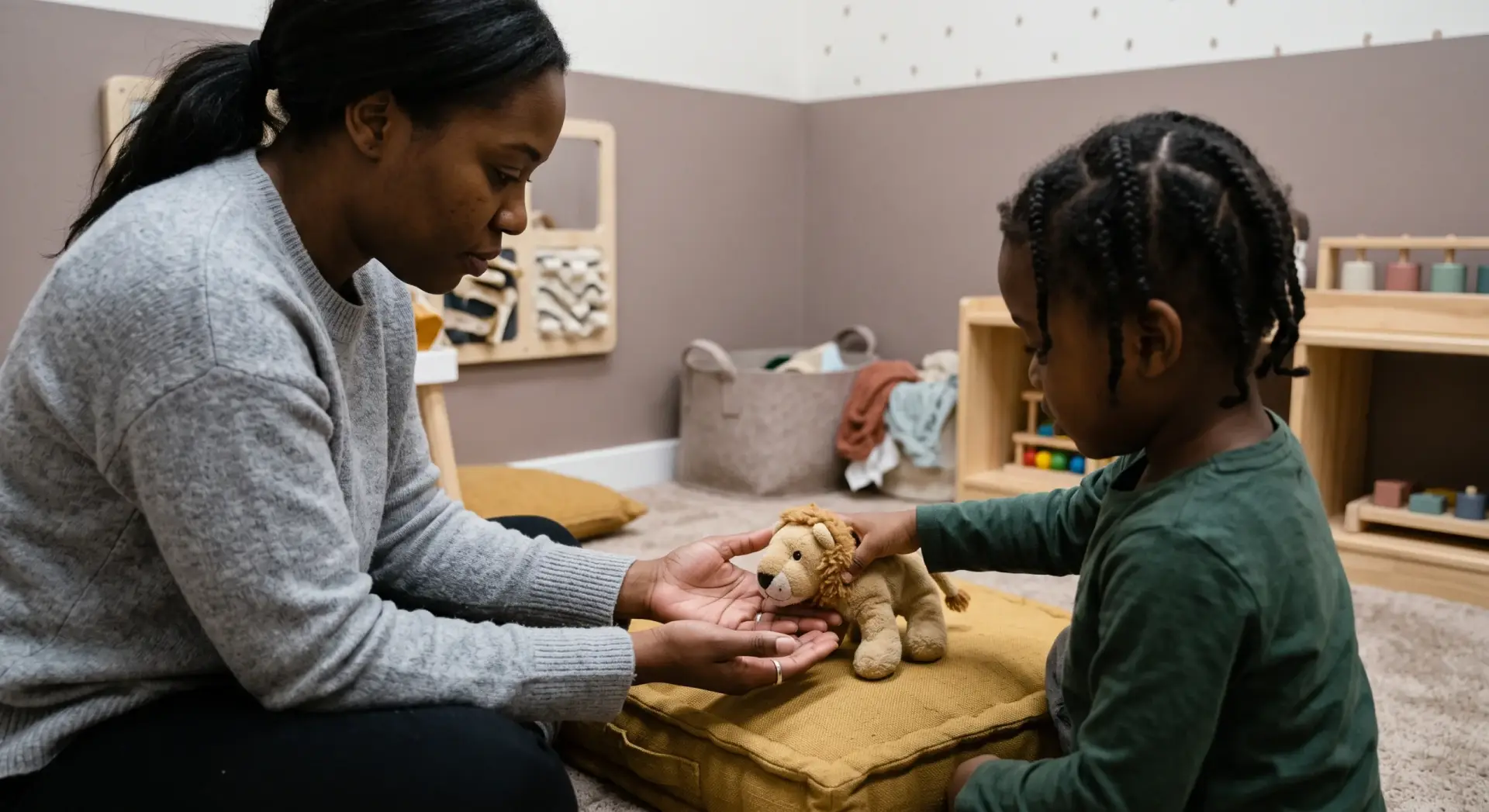
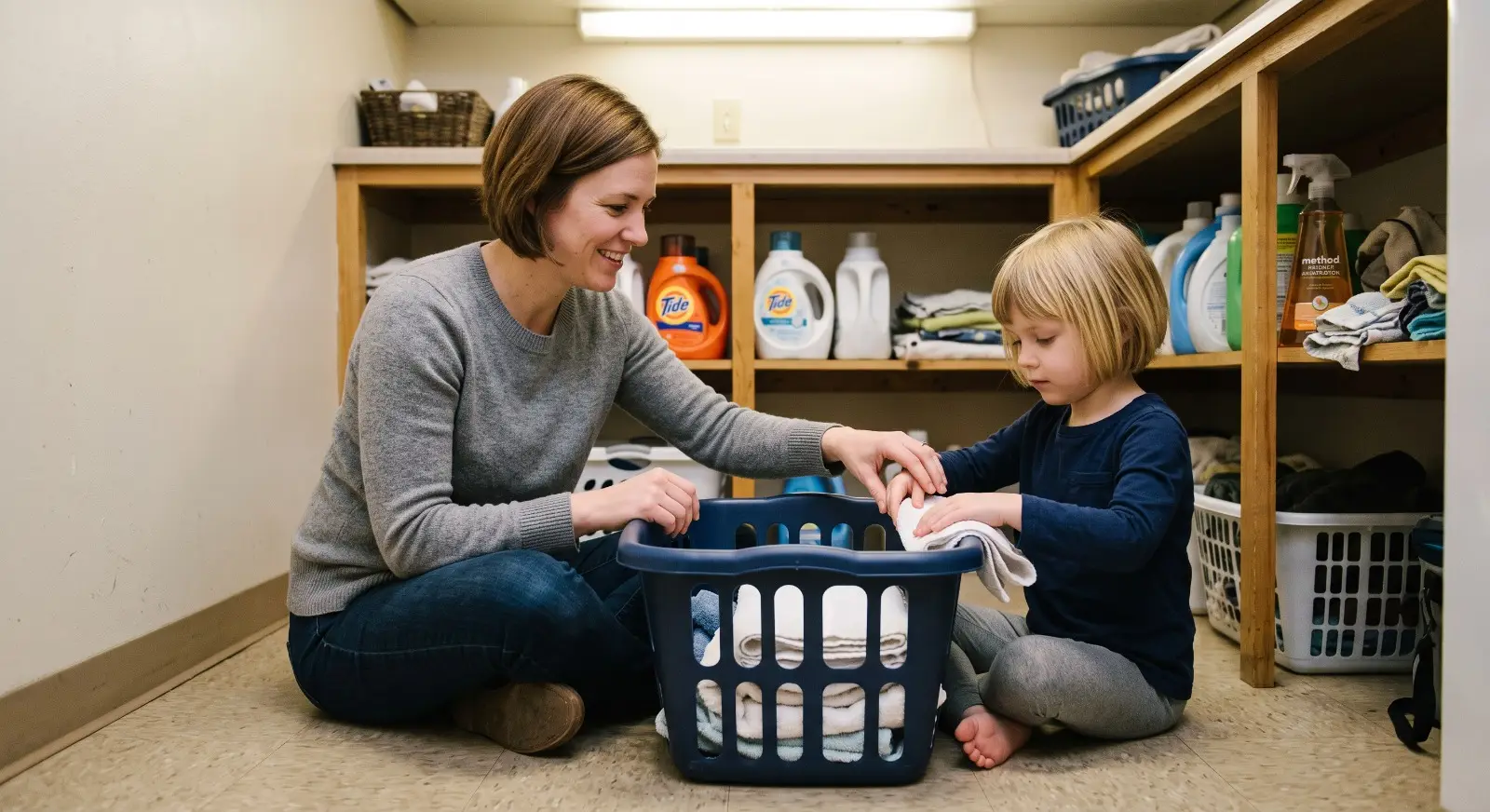
In-home ABA therapy brings support into the places where many daily challenges actually happen: getting ready in the morning, moving through meals, playing with siblings, settling after school, or getting through bedtime more smoothly. Instead of practicing skills only in a clinic, the therapist can work within the child’s usual environment and coach caregivers on strategies that make sense for that family’s routine.
For toddlers, that may mean building communication and play skills during familiar activities. For school-age children, it may focus on transitions, after-school regulation, or home-school carryover. For teens and young adults, goals may center more on independence, self-advocacy, and participation in home and community routines. In-home care can be a strong option for many families, but it is not automatically the right setting for every child. If you want more detail on how these services are offered locally, visit our ABA therapy services in Ramsey County.
When In-Home ABA May Be the Right Fit for Your Child and Family
In-home ABA may be a good fit when the goals that matter most happen at home: smoother routines, safer transitions, stronger communication, more confident caregiver support, or better carryover into daily life. It can also make sense when travel to appointments adds strain or when a child uses skills more successfully in familiar settings.
Before services begin, families should expect an intake process, assessment, conversation about priorities, and individualized goal setting. This is also the stage where therapist match, scheduling, and family input should be discussed clearly. Younger children may need more play-based, routine-focused support, while older children and teens may benefit from work tied to independence at home and in the community. Needing support is not a sign that a family is doing something wrong; it usually means the family needs a plan that fits current needs.
The HOME FIT Lens for Comparing In-Home ABA Providers
If you are comparing providers in St. Paul, the HOME FIT Lens can help you focus on the questions that matter most.
H – Home Routine Match
A strong provider should ask about the moments that are hardest in your actual day, such as meals, school mornings, transitions, sibling interactions, or bedtime, and build goals around those realities. Therapy should support family life, not try to control every part of it.
O – Oversight & Expertise
Ask how a BCBA guides assessment, reviews progress, and updates goals. Families should understand who sets the plan, how often it is reviewed, and how communication works between visits.
M – Minnesota Access Path
For St. Paul families, getting started may involve diagnostic evaluation, CMDE steps for EIDBI, and questions about Medical Assistance, MinnesotaCare, or commercial insurance. A provider should be able to explain the process clearly and help families understand the next step without turning it into paperwork overwhelm.
E – Everyday Carryover
One advantage of home-based therapy is that skills can be practiced where they are actually needed, including dressing, meals, homework, play, or community outings. Good support should also help caregivers feel more confident, not judged.
FIT – Family Trust Signals
Pay attention to warmth, respect, responsiveness, and whether the provider listens to your concerns. During intake, families should feel that the child is being understood as a person, not reduced to a checklist of behaviors.
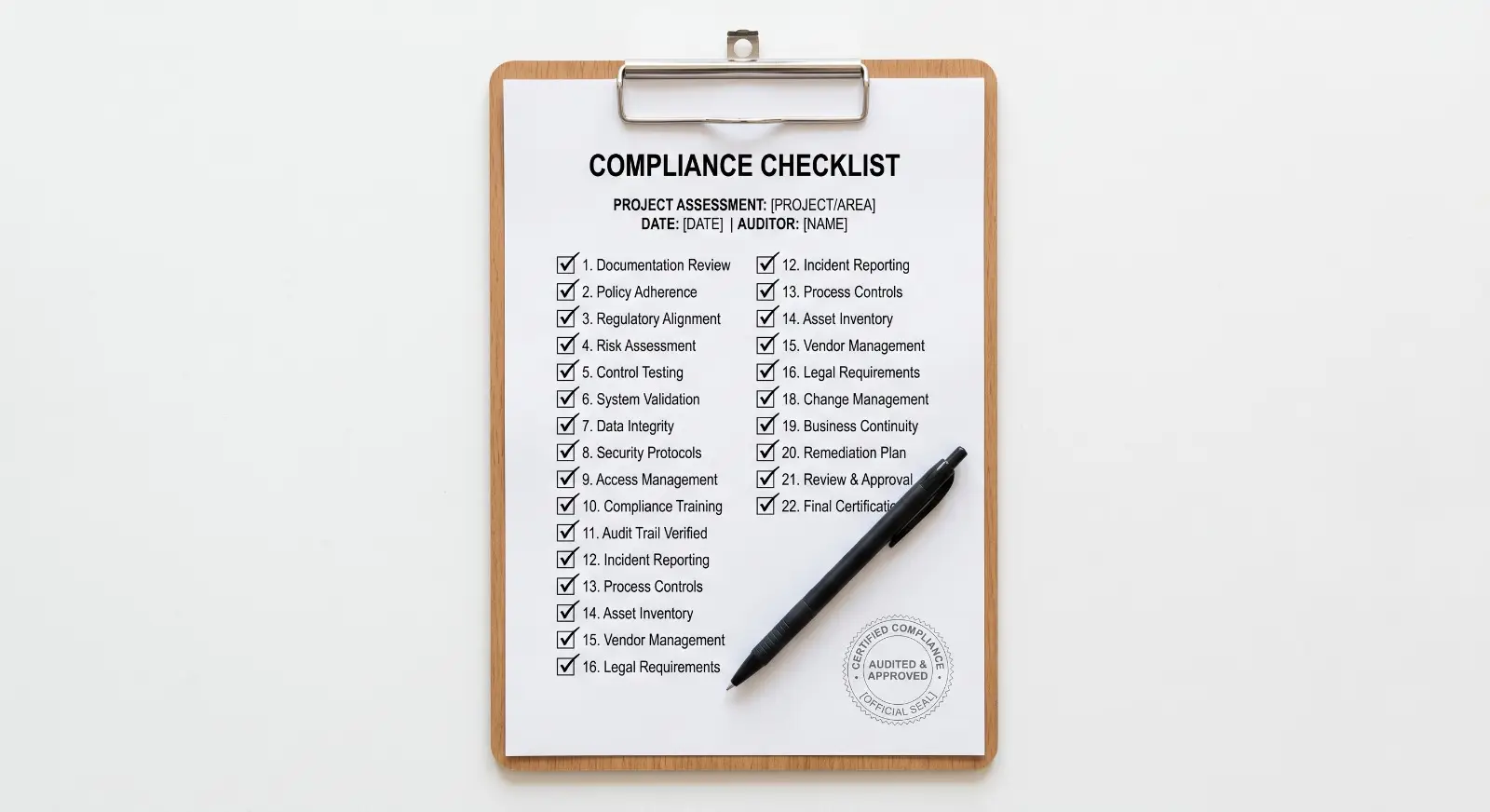
St. Paul In-Home ABA Provider Fit Checklist
Use this checklist before or during intake calls:
- Eligibility & access: Do you serve St. Paul and Ramsey County? Do you help families understand CMDE, EIDBI, Medical Assistance, MinnesotaCare, or private insurance steps?
- Home-based care model: What do sessions look like at home, and how are goals tied to real routines?
- Clinical quality & BCBA oversight: How often are goals reviewed, and how involved is the supervising BCBA?
- Parent partnership & coaching: How are caregivers included, and how is progress explained?
- Scheduling, travel, and logistics: How are session times, travel windows, and routine changes handled?
- Local fit: Can you support home, school, and community carryover when needed?
- Decision summary: Do you feel informed, respected, and clear on what happens next?
FAQ: In-Home ABA Therapy in St. Paul, MN
What is in-home ABA therapy?
In-home ABA therapy is behavior-based support delivered in the child’s home so goals can be practiced in real routines such as meals, play, transitions, and communication throughout the day. If you want a fuller overview of local services, see our Ramsey County ABA therapy page.
What are the benefits of in-home ABA therapy?
Common benefits include less travel, more comfort in familiar surroundings, stronger carryover into everyday life, and more opportunities for caregiver coaching. Research suggests children often learn best when support connects directly to the environments where skills are used, but the best setting still depends on the child’s needs.
How do I choose an ABA provider in St. Paul, MN?
Use the HOME FIT Lens: ask whether the provider matches your routines, explains clinical oversight clearly, helps with Minnesota access steps, supports real-life carryover, and feels like a trustworthy partner. Local fit matters too, so it is reasonable to ask whether the provider regularly serves St. Paul and Ramsey County families.
What does ABA therapy look like at home?
At home, sessions often look structured but natural. A therapist may work on communication during snack time, transitions after school, play skills with siblings, or calming strategies before bedtime. The exact plan should be individualized and adjusted as needs change.
Does insurance or EIDBI cover ABA therapy in Minnesota?
Coverage depends on the child’s needs, eligibility, and plan details, but many Minnesota families use commercial insurance, Medical Assistance, MinnesotaCare, or EIDBI-related pathways as part of getting started. Alight ABA also offers support with navigating those next steps, and families who want to confirm service availability can explore our Minnesota locations.