If you’re searching for ABA therapy in Raleigh, in-home support may be worth a closer look, especially if your child learns best inside everyday routines and your family wants care that feels practical, personal, and easier to carry into daily life. For many families, the goal is not just finding a provider. It is finding support that feels trustworthy, helpful, and workable at home.
That can feel like a lot to sort through. You may already be juggling communication challenges, hard transitions, safety concerns, school stress, or the simple exhaustion that comes with trying to help your child while keeping the rest of life moving. This guide is here to make the decision feel clearer. We’ll walk through what in-home ABA therapy in Raleigh can look like, when it may be a good fit, and how to compare providers without getting overwhelmed.
Quick summary
- In-home ABA therapy happens where daily life already unfolds, including home routines and, when it makes sense, community settings.
- A BCBA usually leads assessment, goal planning, and supervision, while an RBT may provide much of the direct therapy.
- Raleigh families often choose in-home care because it can reduce travel, support real-life skill building, and make parent partnership easier.
- In Wake County, practical details matter. Scheduling, therapist travel consistency, school coordination, and insurance verification can all shape the experience.
- Asking the right questions early can make it much easier to tell whether a provider is truly a good fit for your child and your family.
What In-Home ABA Therapy in Raleigh, NC Looks Like
In-home ABA therapy means your child gets support in the place where many of their most important routines already happen. That might include communication during play, transitions between activities, mealtime routines, after-school regulation, or safety and independence skills at home and in the community. A BCBA oversees the treatment plan, and an RBT may work directly with your child during scheduled sessions.
For Raleigh-area families, this model can feel more natural than adding one more place to drive to every week. It also gives therapists a chance to work inside the routines that matter most, instead of practicing a skill in one setting and hoping it carries over later.
In-home care can support communication, daily living, social skills, and behavior regulation, but it should never be framed as a guaranteed path to a specific outcome. Ethical providers will talk clearly about goals, progress, and fit without promising a timeline they cannot control.
If you want a broader look at how this care model works across the state, Alight’s in-home ABA therapy in North Carolina page offers more service-level detail.
Why Some Raleigh Families Prefer In-Home ABA
One reason families choose in-home ABA is simple: home is where many of the hardest and most meaningful moments happen. If your child struggles with transitions, communication, bedtime, homework, meals, or leaving the house, it can help to work on those goals in the environment where they actually show up.
For toddlers and early learners, in-home care often fits naturally into play, early communication, and caregiver coaching. For school-age children, it may help with after-school routines, emotional regulation, homework habits, and consistency between home and school expectations. For older children and teens, goals may focus more on independence, safety, self-advocacy, and skills that carry into everyday community life.
There are practical benefits too. Skipping another weekly commute can take pressure off the whole family. Parents may also find it easier to observe sessions, ask questions in the moment, and stay involved in how strategies carry into the rest of the week.
At the same time, in-home care is not automatically the best fit for every child. Some families may want to compare it with clinic-based care if they need a more structured out-of-home environment or if regular home sessions would be difficult to support. If that question is on your mind, this guide to home ABA vs. center ABA can help you think through the differences, and this article on the benefits of home-based ABA therapy offers a closer look at the home-based side.
The Raleigh Home-Fit Filter
Choosing a provider gets easier when you stop trying to compare every detail at once and focus on the questions that matter most.
1. Daily-friction lens
Start with what feels hardest right now. Maybe mornings are chaotic. Maybe communication breaks down fast. Maybe transitions, homework, sibling stress, community outings, or safety concerns are wearing everyone down. The clearer you are about daily pressure points, the easier it becomes to tell whether a provider understands your real goals.
2. Setting-fit lens
In-home ABA is often especially helpful when the skills you want to build are tied to everyday routines. If the challenge shows up during meals, play, toileting, getting dressed, after-school transitions, or leaving the house, home-based support may make a lot of sense. If your child may benefit more from a highly structured environment outside the home, it is worth comparing both settings before deciding.
3. Provider-quality lens
Look for providers who can explain how BCBA oversight works, how goals are individualized, how progress is reviewed, and how parents are included in the process without feeling overloaded. Good answers usually sound clear and grounded. You should be able to understand what they are targeting, why it matters, and how they adjust if something is not working.
4. Local-access lens
Local fit matters just as much as polished marketing. Ask whether the provider consistently serves your part of Raleigh or greater Wake County, what session times are realistic, how school coordination is handled, and whether there are any limits around travel range. If insurance will shape your decision, ask how benefits verification, authorization, and scheduling are handled early on.
5. Readiness lens
Once you have a clearer sense of home fit, setting fit, provider quality, and local access, the next step often becomes easier to see. You may be ready to compare two providers, verify benefits, prepare for an intake call, or review how in-home ABA services work in North Carolina. The point is not to rush. It is to move forward with more confidence and less guesswork.
What the First Weeks of In-Home ABA Can Look Like
The first few weeks usually begin with a consult or intake conversation, followed by assessment, BCBA planning, therapist pairing, and early sessions that focus on observation, rapport, and practical routines. In the beginning, families often notice that the process feels more foundational than dramatic. A provider is getting to know your child, learning what motivates them, and identifying which goals should come first.
For younger children, that may mean more play-based interaction, routine building, and caregiver coaching. For older children, early work may lean more into independence, emotional regulation, daily living tasks, or community carryover. In either case, progress often starts with better understanding and better consistency before it looks like bigger visible change.
It also helps to think through home logistics ahead of time. Where will sessions happen? How will distractions be handled? What will siblings be doing? How will therapy fit around school, work, and the rest of family life? For a deeper look at what early support can feel like, this article on the first 30 days of ABA therapy is a helpful next read. If you are thinking through logistics at home, this guide to home setup for in-home ABA sessions may also help.
How to Compare ABA Providers in Raleigh Without Getting Overwhelmed
When you start comparing providers, it helps to focus less on polished claims and more on clear, practical questions. Ask how involved the BCBA will be in assessment, planning, supervision, and family communication. Ask how parent training works and whether collaboration is treated as a normal part of care.
You should also ask how goals are individualized, how progress is shared, and what school coordination looks like if that matters for your child. For Raleigh and Wake County families, it is especially important to ask whether a provider can serve your area consistently, what scheduling flexibility is realistic, and how they handle common logistics like therapist travel, rescheduling, and communication between sessions.
Insurance questions should come early too. Ask what support the provider offers with private insurance or North Carolina Medicaid verification, whether prior authorization may be required, and what the first steps look like before services begin. It is also fair to ask how long intake, assessment, and start-up usually take, while keeping in mind that no provider can promise the exact same timeline for every family.
There is also an emotional side to this decision. You are not just choosing a company. You are choosing who will come into your home, work with your child, and become part of your weekly rhythm. That is one reason warmth, clarity, and responsiveness matter so much.
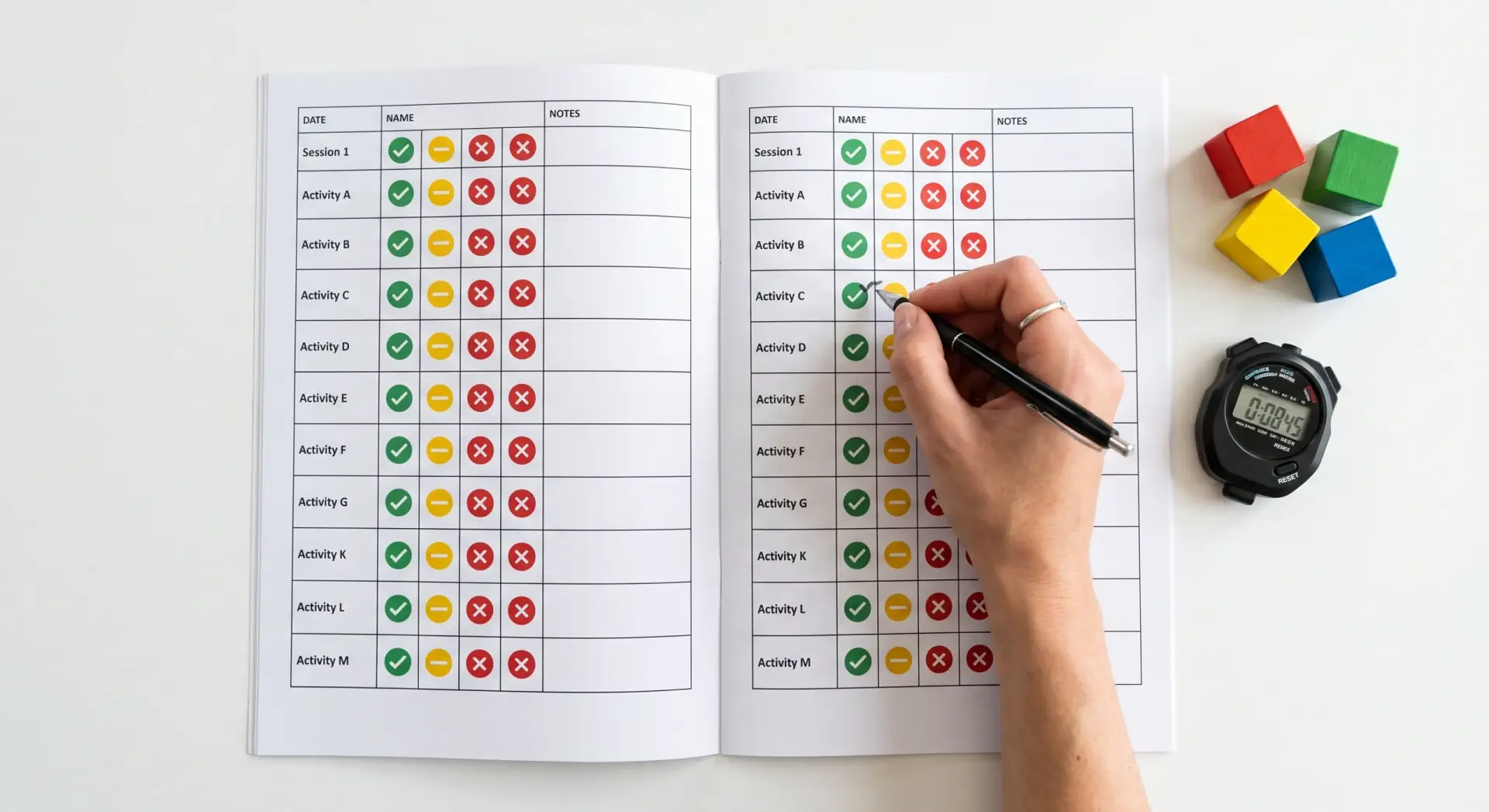
Raleigh ABA Provider Fit Scorecard
Use this simple scorecard before and right after consult calls so it is easier to compare answers while they are still fresh.
| What to compare | Provider A | Provider B | Provider C |
| Service setting | |||
| Raleigh or Wake County coverage | |||
| BCBA oversight | |||
| Parent training approach | |||
| Insurance accepted | |||
| Scheduling flexibility | |||
| School collaboration | |||
| First-step process | |||
| Communication style | |||
| Family comfort and trust notes | |||
| Unanswered questions |
As you fill it out, pay attention to whether each provider explains things clearly, whether their answers feel tailored to your child, and whether the relationship feels like a good fit from the start.
Insurance, Scheduling, and Wake County Logistics to Clarify Early
Coverage and logistics can shape the entire experience, so it helps to ask practical questions early. Families may want to ask what support is available for verifying North Carolina private insurance benefits, whether North Carolina Medicaid questions can be addressed during intake, and whether authorization is needed before therapy begins.
It is also worth asking how far the provider travels, whether your part of Raleigh or Wake County is consistently covered, and how scheduling works around school hours, caregiver availability, and other therapies. These may sound like administrative details, but they often make the difference between a plan that sounds good on paper and one that actually feels sustainable.
Coverage should never be assumed. It is important to verify specifics with both the provider and your payer. For more background, this overview of ABA therapy insurance coverage can help, and this guide to financial help for ABA therapy in North Carolina adds helpful state-specific context.
FAQs About In-Home ABA Therapy in Raleigh, NC
How do I choose an ABA provider in Raleigh?
Start with provider quality and practical fit. Look for clear BCBA oversight, individualized planning, parent collaboration, transparent progress updates, and reliable service in your part of Raleigh or Wake County. Just as important, notice whether the provider communicates in a way that feels steady, respectful, and easy to trust.
Does insurance cover ABA therapy in North Carolina?
Coverage may be available through private insurance or Medicaid, but the details depend on the plan, authorization requirements, and medical-necessity documentation. Families should ask early how verification works, what support the provider offers, and what approvals or costs need to be clarified before services begin.
What is the difference between in-home ABA therapy and center-based ABA?
In-home ABA focuses on skills inside everyday routines at home and, when appropriate, in the community. Center-based ABA may offer more structure outside the home. The better fit depends on your child’s goals, how much routine carryover matters, and what kind of setting feels most supportive.
What should parents expect during in-home ABA sessions?
Parents can usually expect a mix of direct work with the child, caregiver communication, and practice tied to everyday routines. Early sessions may focus on rapport, observation, and identifying priorities before the plan becomes more established. This guide to supporting ABA therapy at home can help families understand their role without making it feel like they have to manage therapy on their own.
What age is best to start ABA therapy?
Earlier support can be helpful, especially when communication, behavior, or routine challenges are already affecting daily life. At the same time, the best timing depends on the child’s needs, family goals, and whether ABA is the right fit for the concerns being addressed. Children, teens, and young adults can all have meaningful goals in home-based care.
If your family is ready to explore next steps, Alight’s in-home ABA therapy services in North Carolina can help you understand how support is delivered and what getting started may involve.