Quick Answer: Prepare the Environment and Information, Not a Performance
If your toddler is shy, distressed, or uncomfortable with unfamiliar adults, it is understandable to worry about how an autism evaluation will go. The best preparation is not rehearsing eye contact, speech, play, or “good” behavior. Keep routines familiar, explain the visit simply, follow the clinic’s directions, and bring the information and supports that help the team understand your child.
Quick summary
- Confirm the clinic’s forms, timing, participants, caregiver policy, break options, and requested records.
- Bring developmental and medical information, prior screening or therapy records, useful observations or short videos, and your main questions.
- Pack familiar comfort and communication supports, including AAC, sensory tools your toddler already uses, snacks or water if permitted, and age-appropriate care supplies.
- Tell the clinic about stranger sensitivity, sensory needs, separation difficulty, communication differences, or behavior that changes across settings.
- Do not coach a “correct” performance. A difficult appointment does not automatically invalidate the evaluation, and the booked clinic’s instructions take priority.
A Simple CALM-to-Clear Plan for the Evaluation
The CALM-to-Clear Toddler Evaluation Map is a way to prepare the caregiver, the information, and the setting around the appointment. It is not a training plan for your toddler.
C: Confirm the Visit
Ask how long the appointment may take, who will be present, what forms or records are needed, and whether a caregiver can stay nearby. Ask about breaks, a quieter waiting space, accessibility needs, and how to tell the team that unfamiliar adults are difficult for your child.
A: Assemble the Everyday Picture
Gather the developmental timeline, prior screening or evaluation results, relevant medical information, and therapy notes when applicable. Ask daycare staff or other caregivers for brief observations. Organize examples by trigger, behavior, frequency, setting, and what helps. A short, unedited video can add context, but you do not need to create a large documentation file.
L: Lower the Load
Keep sleep, meals, clothing, transportation, and transitions familiar when possible. Pack a comfort item, familiar snacks or water if allowed, augmentative and alternative communication (AAC) supports, and sensory tools your toddler already uses. A picture schedule may help if visual supports already fit your child’s communication style. These supports can make the visit more accessible, but they cannot guarantee a smooth appointment.
M: Make Room for Natural Behavior
Do not rehearse eye contact, speech, pretend play, smiling, sitting still, or “good” behavior. Tell the evaluator if your toddler freezes, hides, cries, refuses an activity, becomes unusually quiet, masks distress, or behaves differently at home or daycare. Breaks and communication differences are information for the team, not failures you need to correct.
Clear Follow-Through
Ask when feedback and the written report will be available, how an atypical visit will be interpreted, whether more information may be needed, and what questions can be addressed while you wait.
What to Do 1 to 2 Weeks Before the Evaluation
Use the days before the appointment to reduce last-minute decisions, not to change how your toddler acts.
- Confirm logistics. Recheck forms, requested records, appointment length, participants, caregiver participation, breaks, and instructions about food, medication, or arrival.
- Build a minimum viable evaluation file. Prioritize developmental and medical history, previous screening or evaluation results, M-CHAT-R/F results if available, relevant health information, therapy notes, daycare or school observations, and your main concerns. You do not have to reconstruct every milestone.
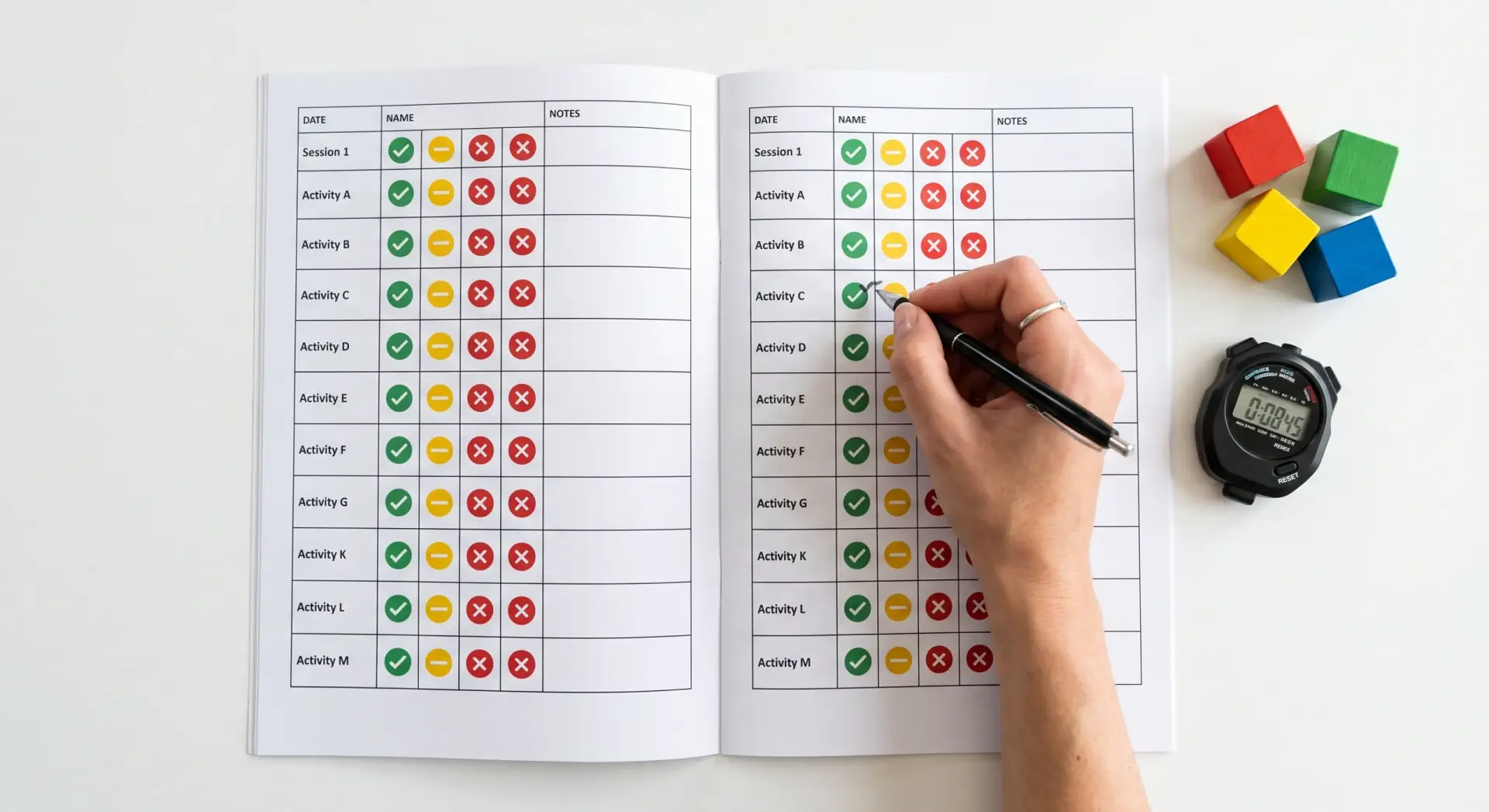
- Write a one-page behavior summary. Note what happens, when it happens, how often, where it happens, possible triggers, and what helps. Include communication methods, sensory preferences, separation needs, and strengths. This is context for the evaluator, not a diagnostic score sheet.
- Plan around toddler needs. Consider naps, meals, medication timing, diapers, transportation, familiar clothing, and who can provide support if the visit runs long.
- Keep the boundary clear. Preparation should not become self-diagnosis or practice for a desired result. No preparation can guarantee a diagnosis or change the outcome.
How to Explain the Evaluation Without Coaching Your Toddler
Use short, concrete language that your child can understand. You might say, “We’re going to meet some new grown-ups. They may play with you and ask me questions. We can take a break if you need one.” Adjust the words to your toddler’s communication style, and avoid promising an exact sequence because the visit may involve several activities or appointments.
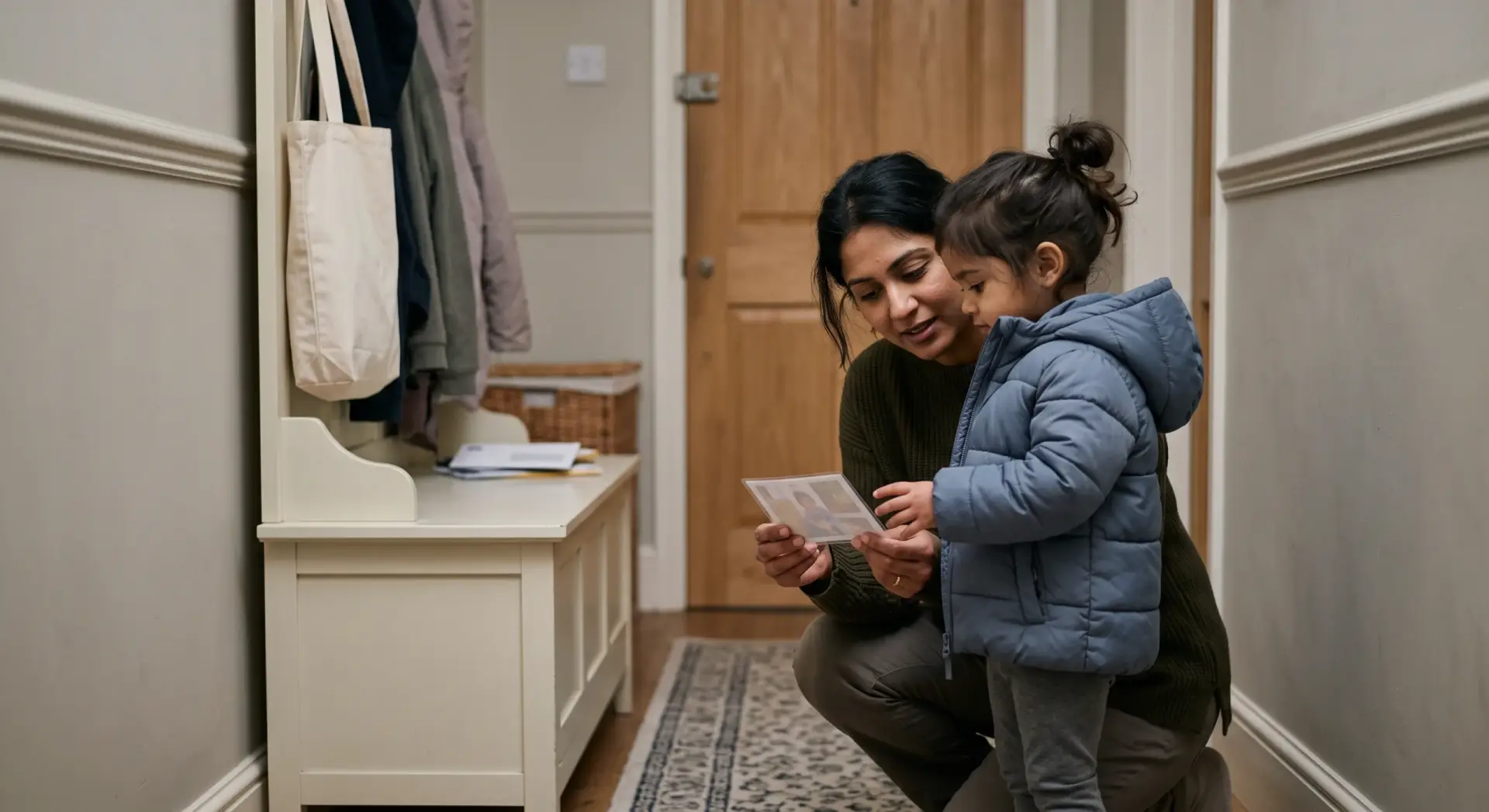
A brief preview, picture schedule, or social story can help with predictability when it fits your child’s existing communication style. Explain what may happen, name the supports that will be available, and let your toddler know that a trusted adult will be nearby when the clinic allows it.
Do: follow your toddler’s communication, bring familiar supports, describe the visit simply, and allow movement or breaks.
Do not: rehearse eye contact, scripted answers, pretend play, speech, smiling, or compliance; withhold a comfort item; introduce a new behavior system; or call the evaluation a pass-or-fail test.
A toddler may communicate through gestures, AAC, movement, play, sounds, or behavior. Your child does not need to provide a verbal performance for you to share useful information. The goal is to help your toddler feel supported and understood, not to make the child appear different.
What to Bring to an Autism Assessment
Knowing what to bring to an autism assessment can reduce last-minute stress. Start with the clinic’s list, then add supports your toddler already uses.
Parent Information
- Completed forms and requested paperwork.
- A developmental timeline and concrete examples from home, daycare, or school.
- Prior screening or evaluation results and relevant medical, speech, occupational therapy, or other treatment records.
- Medication and health information the clinic requests.
- Short, authentic videos when they clarify behavior that may not appear during the visit, shared in a way the clinic accepts.
- Questions about the visit, supports, interpretation, feedback, and next steps.
Toddler Supports
- A familiar comfort item and clothing your toddler already tolerates.
- AAC, picture communication, hearing protection, or other access tools your child already uses.
- Familiar sensory supports, snacks, and water if permitted.
- Diapers, wipes, or a change of clothes when relevant.
- Do not introduce an unfamiliar device, practice routine, or behavior system solely for the evaluation.
Toddler Evaluation Day Ready Kit
Use this checklist while preparing, packing, and taking notes after the visit:
- Before the appointment: clinic instructions, forms, questions, a natural-behavior summary, and a note about stranger or sensory needs.
- What to bring: requested records, useful videos, medication information, communication tools, comfort items, and familiar sensory supports.
- How to support the toddler: familiar routines, a simple preview, caregiver proximity when permitted, an arrival buffer, breaks, and regulation tools.
- Questions and notes after the visit: feedback and report date, how atypical behavior was considered, unanswered questions, additional information requested, and follow-up resources.
The booked clinic’s preparation instructions override this general checklist. You do not need every item, and you do not need a perfect file.
When Your Toddler Is Afraid of Strangers
Tell the clinic before the appointment that your toddler may need a gradual warm-up. Ask whether you can stay nearby or in the room, wait in a quieter area, arrive early, or use breaks and movement when your child is overwhelmed. Ask how the team prefers you to share typical behavior if your toddler will not engage directly.
Your child may hide, freeze, cry, refuse an activity, become unusually quiet, or show signs of sensory overload. These responses can look different from what you see at home. Describe what is typical across settings and what helps. If useful, offer a short video or written example instead of forcing participation in the room.
A difficult visit does not automatically invalidate an evaluation. The evaluator may consider caregiver history, observations from the appointment, records from other settings, and whether more information is needed. Your toddler does not have to warm up quickly or cooperate on demand. Focus on communication, comfort, access, and an accurate clinical picture.
What Happens During and After a Toddler Autism Evaluation
A toddler autism evaluation often includes a caregiver interview or questionnaires, developmental and medical history, play-based or structured observation, possible standardized tools, team review, feedback, and written reporting. Activities, participants, timing, and number of visits vary by clinic.
Developmental monitoring is ongoing observation of how a child learns and develops. Screening, which may include M-CHAT-R/F, looks for signs that warrant closer attention. A diagnostic evaluation brings together history and observation to answer a broader clinical question. A diagnosis is based on the full picture gathered by qualified professionals.
Some clinics may use ADOS-2 or ADI-R, and the DSM-5-TR may guide clinical criteria. A developmental pediatrician, child psychologist, speech-language pathologist, or occupational therapist may contribute. No single tool, activity, or appointment behavior diagnoses autism by itself. The CDC’s guidance on autism diagnosis and HealthyChildren.org’s overview of next steps when autism is suspected offer general background, but your child’s evaluating professionals should guide individual decisions.
For a broader explanation of what a diagnostic evaluation may include, read Alight ABA’s autism diagnostic evaluation information. The related guide to autism diagnostic evaluations provides wider process context without replacing the booked clinic’s instructions.
Questions to Ask Before and After the Visit
- Who will be present, how long may the visit take, and can I remain nearby?
- Which tools or activities may be used, and what does each help the team understand?
- Which comfort items, AAC supports, sensory tools, and breaks are welcome?
- How will you interpret behavior that is unusually quiet, distressed, frozen, or different from home?
- When will feedback and the written report be available, and how will they be delivered?
- Will you request more information or another observation? What questions can we discuss while waiting?
Frequently Asked Questions About Preparing for an Autism Evaluation
How do I explain an autism evaluation to a toddler?
Use simple language about meeting new grown-ups, playing or doing activities, and having a trusted adult nearby. A picture schedule may help if your toddler already uses visual supports. Avoid promises about an exact sequence, and do not ask your child to rehearse a response.
What should I bring to my child’s autism assessment?
Bring the clinic’s forms and requested records, developmental examples, questions, and relevant medical or therapy information. Pack familiar comfort items, AAC or communication tools, sensory supports, snacks or water if allowed, and age-appropriate care supplies. A perfect file is not required.
Should I practice eye contact, speech, or play before the evaluation?
No. Do not coach a desired presentation or withhold communication and comfort supports. The team needs context about your toddler’s natural communication and behavior, including what changes across home, daycare, and unfamiliar settings.
What if my toddler is scared of strangers, freezes, cries, or will not cooperate?
Tell the clinic in advance and ask about caregiver proximity, a gradual warm-up, a quieter waiting option, breaks, and regulation supports. Describe what is typical at home or daycare and what helps. A difficult appointment does not automatically invalidate the evaluation.
How long does a toddler autism evaluation take, and when will we get results?
The number of visits, appointment length, feedback timing, and report delivery vary. Ask the booked provider what to expect, when feedback will occur, and whether the written report will be delivered separately.
Preparing your child for an autism evaluation is less about producing a smooth appointment and more about making useful information and familiar supports available. If Alight ABA’s autism diagnostic evaluation services are part of your family’s planning, use the questions above to guide a conversation and take the next step with a clearer plan.