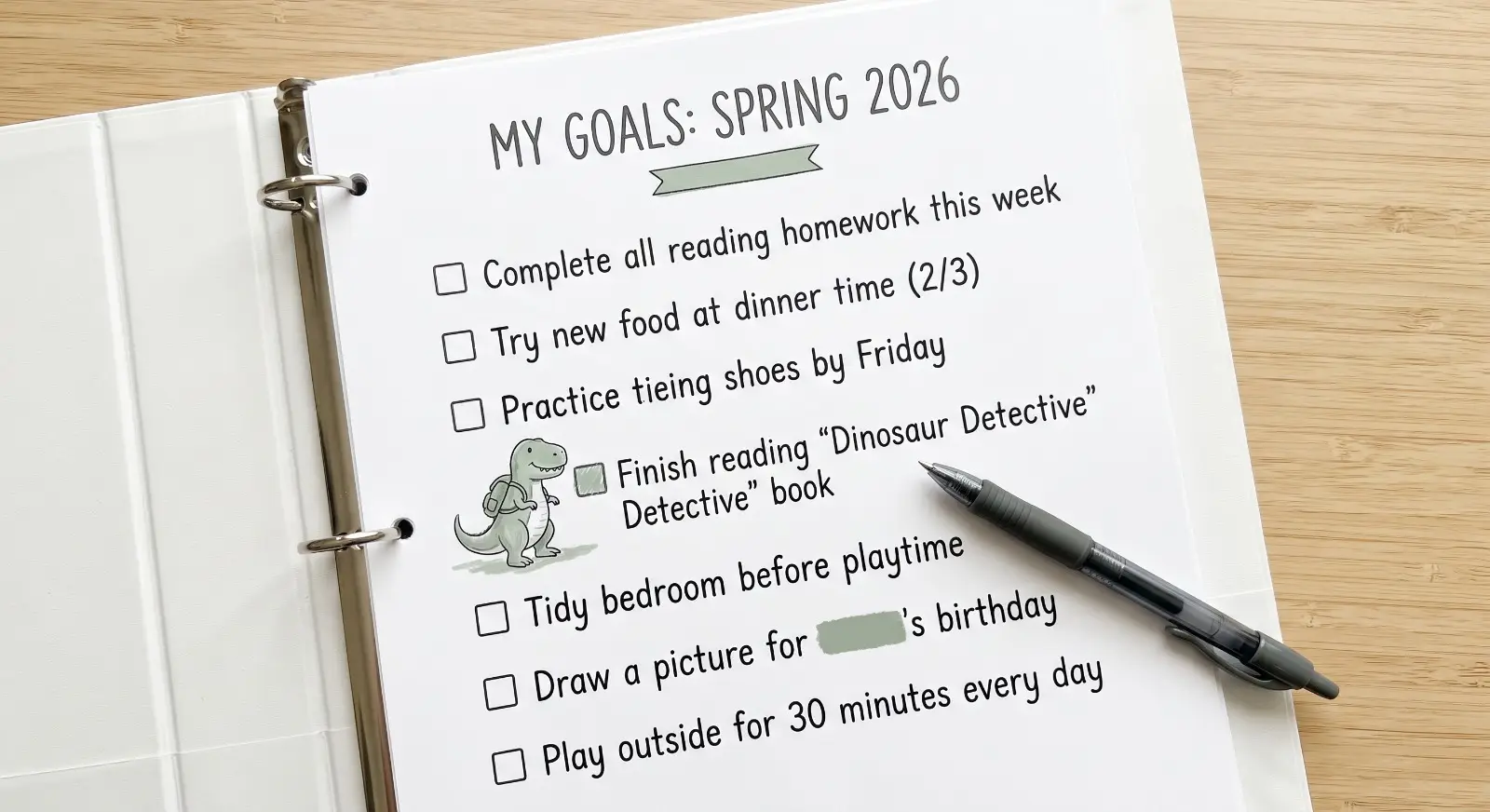
When you’re looking for ABA therapy, the word personalized comes up a lot. What matters more is what that actually looks like for your child and your family.
At Alight, a personalized ABA therapy plan starts with assessment, family input, clear goals, the settings where support is needed most, and regular review. The process is designed to understand your child as a whole person and build support that fits real life at home, at school, and in the community.
If you’re comparing providers or getting ready for an intake, it’s completely reasonable to want more than a general promise. You want to know how your child will be understood, how goals are chosen, and what happens if the plan needs to change over time.
Quick Summary
- B – Baseline the real day: Learn how your child communicates, plays, manages routines, and responds in the environments that shape daily life.
- R – Rank family priorities: Focus first on the goals that matter most to your family right now.
- I/G – Individualize goals for the right settings: Build measurable goals that make sense for home, school, and community life.
- H – Human-fit the team and approach: Make sure the plan feels workable for your child, your schedule, and your communication style.
- T – Tune the plan over time: Review progress regularly and adjust goals when needs, routines, or priorities shift.
The BRIGHT Plan Path
B – Baseline the real day
The first step is learning what your child’s day actually looks like. A BCBA leads the assessment process by gathering background information, noticing patterns, and learning about strengths, communication, routines, triggers, and the places where support is needed most.
That matters because a strong plan is not built around a generic checklist. It is built around the child in front of you. The goal is not to label what is “wrong.” It is to understand what helps your child feel more comfortable, communicate more clearly, and take part more fully in everyday life.
This baseline can look different depending on age and stage. For a preschooler, the focus may be on early communication, play, transitions, and self-help routines. For a school-age child, it may include classroom participation, group directions, or navigating changes in routine. For an older child or young adult, independence, social navigation, and community routines may be more important.
If you’d like a closer look at this stage, you can read more about how comprehensive ABA assessments help identify your child’s needs.
R – Rank family priorities
A thoughtful ABA plan should not try to tackle everything at once. Once the initial assessment is complete, the next step is deciding what matters most right now to your child and your family.
That might mean building functional communication, making mornings smoother, reducing unsafe behavior, improving participation at school, or helping your child move through transitions with less stress. Those priorities are not just helpful context. They are part of what makes the plan truly individualized.
Family input matters because what looks clinically appropriate on paper is not always the same thing that would make the biggest difference in day-to-day life. A plan feels more useful when it reflects the moments your family is actually living through.
To keep goals focused and manageable, teams often ask:
- What is affecting daily life the most right now?
- Which changes would reduce stress at home or school?
- What skills would make the biggest difference over the next few months?
If you want to dig deeper into that collaboration, here’s more on why parent input matters in developing ABA treatment plans.
I/G – Individualize goals for the right settings
Once assessment findings and family priorities are clear, those insights need to become specific, measurable goals. A personalized plan should not rely on a standard list of milestones. It should connect goals to real life, whether that means asking for help, handling transitions with less distress, participating more fully at school, or building more independence in daily routines.
The setting matters just as much as the goal itself. Some children need the most support at home, where mealtimes, bedtime, sibling dynamics, or everyday routines can feel hard. Others need more support at school, where group instruction, peer interaction, and transitions may be the biggest challenge. Some children need a plan that carries across both.
That is why support at the right setting matters so much. Alight’s support at home and school is meant to reflect the environments that shape your child’s day, rather than forcing everything into one model.
Goals should be meaningful and measurable, but they should not come with promises about hitting a specific milestone on a fixed timeline.
H – Human-fit the team and approach
Even a clinically sound plan can fall flat if it does not feel workable in real life. Therapist fit, BCBA oversight, scheduling realities, caregiver communication preferences, and the child’s comfort with the care team all shape whether a plan feels sustainable.
This part matters more than many families expect. When support feels collaborative, clear, and grounded in everyday routines, it is easier to stay engaged with the process. When it feels rigid or disconnected from real life, even a well-written plan can be hard to carry out.
Alight’s focus on in-home and community-based support can make therapy feel more practical and less disruptive, especially when the skills being worked on need to show up in the places your child already spends time. A personalized plan should feel built with your family, not handed over as a standard package.
T – Tune the plan over time
A personalized ABA therapy plan should keep evolving as your child grows and life changes. Progress monitoring, caregiver feedback, BCBA review, and implementation notes all help show whether goals still fit, whether support needs to shift settings, and whether a new focus makes sense.
Sometimes updates happen because a child is making steady progress. Other times they happen because progress has slowed, school demands have changed, or family priorities look different than they did at the start. A plan that begins with communication and safety goals may later shift toward independence, social participation, or more complex routines.
Families should be able to understand when the plan is being revisited and how their feedback fits into that process. If you’re getting ready for the early stages of care, this guide on what parents should expect during the first 30 days of ABA therapy can help.
How Two Children Could Leave With Different Plans
Two children can go through a similar intake process and still come away with very different plans.
A 3-year-old with limited functional communication and frequent distress during home routines may need goals centered on requesting, transitions, and parent coaching for daily moments like meals or getting dressed.
A 10-year-old with stronger language skills may need something else entirely. If the main challenges show up during classroom participation, peer interaction, or changes in the school day, the plan may focus more on social communication, flexibility, and school-based collaboration.
That is the point of personalization. The same provider should be able to build different goals, settings, and implementation strategies based on what each child actually needs.
What Parents Can Expect When Starting With Alight
Starting services usually feels a little easier when you know what the process may look like. At Alight, families can generally expect a few clear stages:
- Initial conversation: Your family shares concerns, priorities, and questions about what support may be helpful.
- BCBA-led assessment: The clinical team gathers information about strengths, routines, communication, and daily challenges.
- Early goal-setting: Findings are turned into practical, measurable goals that fit your child’s current needs and everyday environments.
- Implementation and coaching: A behavior technician or RBT helps carry out the plan with BCBA oversight, while parents stay involved through feedback and carryover.
- Review and adjustment: The team looks at progress, talks through fit, and updates the plan when needed.
Because Alight also offers diagnostic evaluations and, in Minnesota, CMDE support connected to EIDBI access, the process may feel less fragmented for some families. Families in Minnesota and North Carolina may also appreciate having help with insurance navigation and service setup.
Parent Review Checklist: Is This Really a Personalized ABA Plan?
What the team learned about my child
- Yes / Not Yet: My child’s strengths are named clearly, not just their challenges.
- Yes / Not Yet: The plan reflects communication style, developmental stage, and the situations that feel hardest right now.
- Yes / Not Yet: Home, school, or community context is included where relevant.
How the plan fits our real life
- Yes / Not Yet: Our family’s priorities are visible in the goals.
- Yes / Not Yet: Goals are specific and measurable, not vague promises.
- Yes / Not Yet: I understand why support is happening at home, at school, or across both.
- Yes / Not Yet: The roles of the BCBA, behavior technician or RBT, and caregiver are clear.
How the plan will be reviewed and adjusted
- Yes / Not Yet: I know how progress will be reviewed.
- Yes / Not Yet: There is a clear place for family feedback.
- Yes / Not Yet: The team has explained how goals, supports, or settings can change if the plan is not the right fit yet.
FAQ
What is customized ABA therapy?
Customized ABA therapy is support built around a child’s strengths, challenges, routines, and priorities instead of using the same goals or approach for every family.
How is an ABA therapy plan created for a child?
It usually starts with intake and assessment, followed by family input, goal selection, setting decisions, and a plan for reviewing progress over time.
Who helps design a personalized ABA plan?
A BCBA typically leads the assessment, goal design, and clinical oversight. A behavior technician or RBT helps implement the plan during day-to-day sessions. Parents or caregivers help shape priorities, share feedback, and support consistency across routines.
How often should an ABA treatment plan be updated?
There is not one schedule that fits every child. Plans are updated through ongoing review when progress is strong, when growth slows, when routines change, or when new priorities come up at home or school.
How do parents participate in a custom ABA therapy plan?
Parents participate by sharing concerns and priorities, helping the team understand daily routines, reviewing whether goals feel relevant, and giving feedback about what is and is not working.
How can I tell whether a provider is really personalizing my child’s plan?
Look for specificity. A personalized plan should name your child’s strengths, include measurable goals, explain why support is happening in certain settings, reflect your voice as a caregiver, and make the review process easy to understand. If you want more examples of what strong planning can look like, you can explore individualized treatment plan strategies for success in ABA therapy.
If you’re exploring next steps, Alight’s support at home and school can help you see how personalized care may look in everyday life for your child and family.