If you’re looking for ABA therapy in Douglas County, MN, it’s normal to feel like you’re making big decisions quickly. A helpful place to start is by getting clear on your child’s current needs, deciding whether in-home support fits your routine, and gathering the basics before you talk with providers. For many families, that means knowing their child’s diagnosis or evaluation status, having insurance details ready, and confirming whether a provider serves homes in their area.
Quick Summary
- Douglas County families often start by identifying the day-to-day challenges they want help with most.
- In-home ABA can be a strong fit when support needs to happen within real home routines and with caregiver involvement.
- In Minnesota, questions about EIDBI, CMDEs, Medical Assistance, or MinnesotaCare may come up early, especially for younger children.
- Availability can vary by travel area and clinician capacity, so it helps to confirm Douglas County coverage right away.
What Getting Started With ABA Therapy in Douglas County Usually Looks Like
ABA therapy can support communication, daily living, and social skills while helping reduce behaviors that make everyday life harder or less safe. If you’d like a broader overview before comparing options, you can learn more about in-home ABA therapy in Minnesota without turning this page into a full ABA primer.
For most Douglas County families, getting started follows a simple sequence. First, name the concerns you’re seeing most often at home, at school, or in the community. Next, confirm whether your child already has a diagnosis or still needs an evaluation. For younger children, Minnesota’s EIDBI process and a CMDE may be part of that path. Then gather your insurance details before reaching out and make a short list of providers who may serve homes in Douglas County.
Age and stage matter here. For toddlers, parents may be focused on early communication, play, or developmental concerns. For school-age children, the bigger questions are often about routines, transitions, safety, independence, and how support fits into home and community life. ABA is not the only option a family may consider, and no provider can promise a specific timeline or outcome. The goal is to find a next step that fits your child and feels manageable for your family.
The START at Home Path for Douglas County Families
S: Start with what’s happening right now
Many families begin this search because something feels urgent, even if they do not have every answer yet. It may be a new diagnosis, growing communication challenges, behavior stress at home, or a sense that daily routines are becoming harder to manage. You do not need to have everything figured out before taking the first step.
T: Think about therapy fit
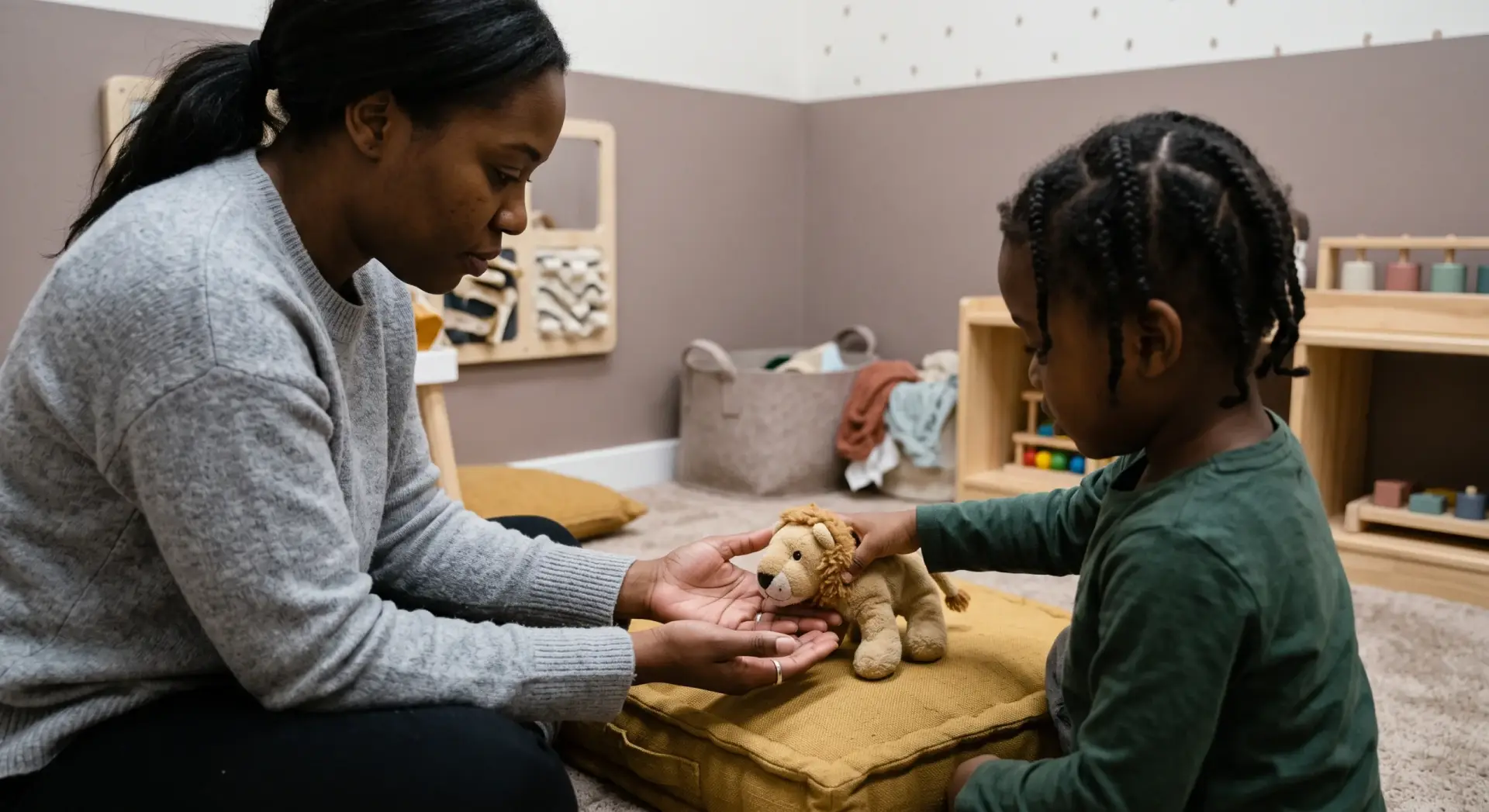
In-home ABA can make sense when your child learns best in familiar routines and when caregiver involvement is an important part of progress. It can also be helpful when goals relate to meals, bedtime, transitions, or community outings. If you’re still weighing settings, this guide to common questions Minnesota families have about in-home ABA can help you think through fit without assuming one model is right for every child.
A: Make an access plan
Before the first call, it helps to have your insurance plan, evaluation or diagnosis status, scheduling needs, and questions about Douglas County travel coverage ready. If you’re still sorting through Minnesota requirements, this overview of Minnesota comprehensive multi-disciplinary evaluations can help clarify where CMDEs may fit into the process.
R: Look for relationship signals
A strong provider fit usually sounds clear, respectful, and practical. You should hear everyday language, realistic next steps, and genuine interest in your family’s routines and goals. If you want more help comparing options, this guide on choosing an ABA therapy provider is a useful next read.
T: Take the next right step
Once you understand your child’s needs and know what you want to ask, the next move can be simple: reach out to a provider, confirm whether they offer in-home ABA in Douglas County, and ask what the intake process looks like. If you want a broader starting point, Alight ABA also offers a fuller overview of in-home ABA therapy in Minnesota.
Parent Checklist for the First ABA Call
Before You Reach Out
- Your child’s biggest current challenges and goals
- Diagnosis, evaluation, or CMDE status
- Insurance card and plan name
- Preferred schedule and whether in-home support is your priority
Questions for the First Call
- Do you serve families in Douglas County homes?
- Do you offer in-home ABA?
- What does your intake process look like?
- What evaluations or Minnesota program steps should we know about?
- How are parents involved in treatment planning?
How to Compare Your Options
- Clear communication
- Warmth and partnership
- A realistic explanation of timing and availability
- Fit for your child’s age, routines, and family logistics
FAQ: Douglas County Families’ Common Questions
Are in-home ABA therapy services available in Douglas County, MN?
They may be, but availability can depend on a provider’s travel range and current clinician capacity. That is why it helps to confirm Douglas County service areas early and review a broader page on in-home ABA therapy in Minnesota.
What should I have ready before contacting an ABA provider in Minnesota?
Have your child’s main goals, diagnosis or evaluation status, insurance information, and schedule needs ready. If a CMDE or EIDBI step may apply, it is helpful to ask about that on the first call.
Does insurance help cover in-home ABA therapy in Minnesota?
It often can, but coverage depends on the insurance plan and whether programs like Medical Assistance or MinnesotaCare apply to your family. A provider should be able to walk you through the first verification steps in clear, simple language.
How do I know if an ABA provider is the right fit for my family?
Listen for clarity, caregiver partnership, and realistic expectations. A good first conversation should leave you feeling more informed, not more overwhelmed, and help you understand the next step.